2026-10-28 Author : ZCS
SUNMI vs PAX is a platform decision for the application and payment service you intend to deliver. A software company building restaurant ordering has different priorities from a payment provider rolling out merchant terminals. The wider Android POS development platform guide provides background on hardware and SDK selection; this comparison focuses on how the two ecosystems affect development and delivery.
Android POS platforms combine business applications, device services, distribution tools and payment integrations. SUNMI and PAX both participate in this category, with capabilities that vary across product families. A useful comparison follows application publishing, peripheral control and the payment architecture rather than treating the brand name as a complete technical specification.
The project should begin with one workflow that both suppliers can demonstrate. Consider a restaurant application that takes an order, scans a coupon, prints a receipt, shows the total to the customer and starts a card payment. The meaningful comparison is how each platform completes that sequence and supports it after deployment.
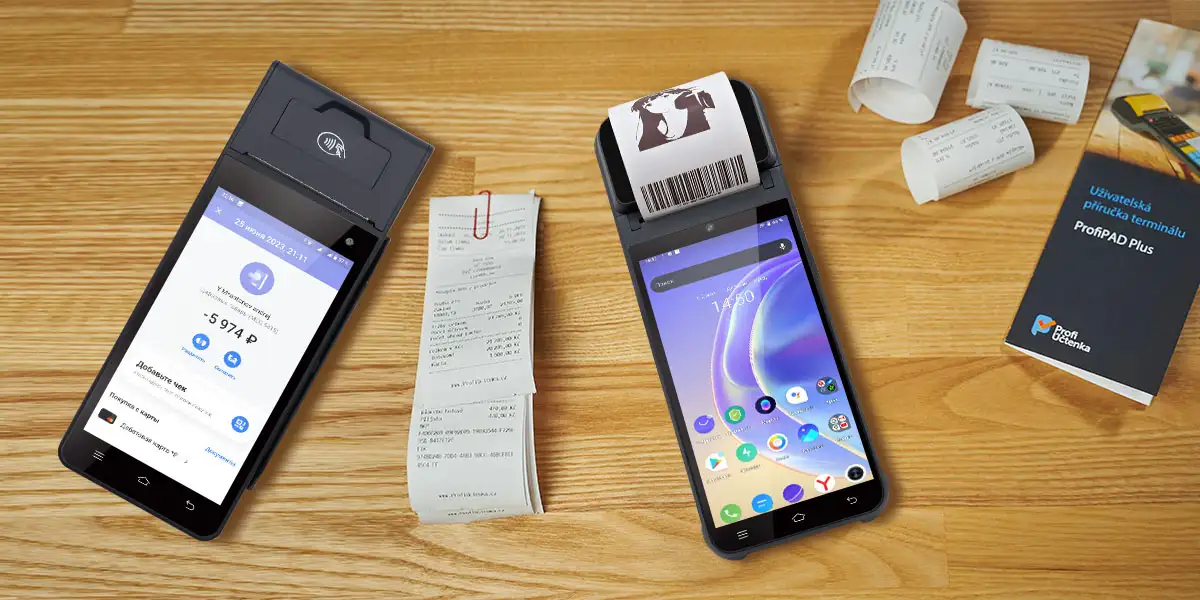
SUNMI and PAX overlap in business applications and payments, but their platform components need to be compared separately. SUNMI's commercial-device portfolio includes mobile, desktop and kiosk formats as well as dedicated payment products. PAX offers payment terminals and business-device formats supported by its application and management ecosystem. Neither portfolio is accurately described by a single handheld model.
| Decision area | SUNMI starting point | PAX starting point | What the buyer should compare |
|---|---|---|---|
| App delivery | SUNMI App Store and DMP distribution functions | Global MAXSTORE or the applicable regional PAXSTORE environment | Review, signing, customer access and production release ownership |
| Business peripherals | Device-specific printing, scanning and display interfaces | Device-specific peripheral resources and business-application integration | Functions available on the exact model and firmware |
| Payments | Dedicated payment products or a supported SoftPOS service | Supported payment applications, processors and integration interfaces | The device, payment service and country as one proposed configuration |
| Operations | Device grouping, application distribution and management services | Marketplace administration, terminal management and remote support | Permissions, update handling and responsibility for field incidents |
A model-level shortlist makes the SUNMI vs PAX comparison actionable. Select comparable working formats first: handheld payment devices for mobile acceptance, or business terminals for a staffed counter. Record the software build, required peripherals and proposed payment service beside each device. This keeps the team from comparing a payment handheld against a desktop cash-register terminal as though only processor speed differs.
SUNMI provides a managed application-distribution path rather than unrestricted installation on every device. Its published software materials describe app checks, review and countersigning for payment-terminal installation. The same materials describe deployment to selected devices or regions, giving an operator a way to introduce a release gradually.
The SUNMI discussion should establish how the software company reaches its intended customers. Ask for a demonstration that starts with a test package and ends with installation on the actual customer device group. Record who submits the app, who administers the devices and who can pause the release. The deliverable is a repeatable deployment route, not just a developer account.
PAX also supports independent application developers through a managed ecosystem. MAXSTORE describes application security validation and terminal-owner approval before installation. Its marketplace and device-management functions allow administrators to control application distribution. U.S. materials use PAXSTORE terminology; the relevant regional environment and account roles should be named in the project plan.
The PAX discussion should follow the same test as SUNMI: submit a package, make it available to the intended customer group and deploy an update. Determine which steps belong to the software company and which belong to the marketplace owner or terminal deployer. This exposes practical differences in release control without calling one ecosystem open and the other closed.
Android version compatibility is a separate check from application-store permission. The application's minimum supported API level, dependencies and required services should be recorded for each proposed build. Android's minimum and target SDK definitions explain why the minimum version needed to run an app differs from the version it targets.
A SUNMI or PAX trial should include the real application, account login, background tasks and connected peripherals. Google Play availability matters when the software depends on it, but it is not a substitute for testing the business workflow. Installation success is the start of that test, not its acceptance result.
The release agreement should identify ownership of the package name, signing credentials, customer distribution access and maintenance process. A software company planning to serve several resellers needs a different arrangement from a merchant receiving a preconfigured terminal. Those commercial permissions can shape platform fit as much as the SDK itself.
Printer integration should be compared through the receipt the merchant actually uses. SUNMI publishes printer documentation and a demonstration project covering native printer integration. For the PAX candidate, request the corresponding model's printer resources and examples. The trial should reproduce the same receipt layout, logo, barcode and required character set on both devices.
The restaurant workflow makes the acceptance criteria concrete. The receipt should print the correct order, report a paper-out condition and give the application enough information to decide whether to retry. Label printing, cutters and external kitchen printers should enter the test only when the selected hardware and business requirement call for them.
The Android POS SDK integration guide explains how to inventory these device dependencies. A portable software design keeps order calculation separate from the supplier-specific printer adapter. That allows a team to estimate the actual adaptation work instead of assuming a shared Android base makes printer calls interchangeable.
Scanning performance should be assessed with the same codes and operator actions. A camera-based reader and a dedicated scanning module can create different application workflows. Compare how the selected SUNMI and PAX devices start scanning, return a result and handle an unreadable or repeated code.
The coupon test should verify business behavior as well as decoding. The application should apply the coupon once, display the revised total and preserve the correct order when the user returns from a scanning screen. A useful demonstration uses the merchant's expected code formats rather than only a supplier's prepared sample.
A customer-facing screen needs application behavior, not just a second display connector. The proposed software should show customer order details separately from staff controls. Include any touch behavior, orientation requirements and interaction with payment prompts in the test brief.
The SUNMI and PAX demonstrations should prove the same customer journey: add an item, change its quantity, apply a coupon and start payment. Watch how both screens update throughout the sequence. A mirrored desktop is a different result from an independent customer view, and the buyer should specify which experience the project needs.
A separate business terminal can preserve an existing payment arrangement while the ordering interface changes. The POS software manages the order and sends a transaction request through the supported integration to the payment device. The application then records the payment result against the order.
This route is relevant to either SUNMI or PAX business hardware when the required interface is available. It gives the buyer flexibility over the operator screen, receipt printer and other business peripherals. The engineering task is to preserve a reliable boundary between the order and the payment, including cancellation and interrupted responses.
A dedicated payment terminal can combine the business workflow and card acceptance on one device. SUNMI's payment portfolio and PAX's payment-terminal range both belong in this comparison. PAX's historical POSLink materials illustrate one integration pattern: the business application sends transaction requests to a payment component rather than implementing the payment logic itself.
The transaction contract should define request identifiers, result codes, status queries and recovery behavior. A restaurant order must not become paid twice because the POS retries after losing a response. The pilot should test an approval followed by a communication failure, not only a normal successful purchase.
Payment-device capability and acceptance-system integration are distinct parts of the project. A working card reader establishes one function; the configured application, acquiring connection and operational processes establish the intended payment service. Both brands should be evaluated against the same transaction requirements and the payment partner's deployment process.
The distinction is reflected in EMVCo's Level 3 testing framework, which addresses integration between an acceptance device and its acceptance infrastructure. Participating payment systems set their testing policies. The selected payment partner should identify the relevant requirements for the proposed deployment.
SoftPOS is another payment architecture to compare, not a synonym for an NFC reader. SUNMI's SoftPOS platform describes standalone-app and integration options. Its ecosystem page also lists a Visa Tap to Pay partnership dated April 21, 2026, showing why the comparison should include software-based acceptance rather than only traditional payment handhelds.
The SoftPOS shortlist should start with the supported service, country and device configuration. Compare transaction features, customer verification requirements and the way payment results return to the business application. A PAX dedicated-terminal proposal and a SUNMI SoftPOS proposal may both solve the checkout task, but their delivery and operating arrangements differ.
SUNMI vs PAX payment suitability is project-specific. Choose the supported payment route first, then compare the devices that can deliver it. This single decision removes much of the confusion around app-store access, NFC specifications and processor choice.
SUNMI and PAX both provide management capabilities, so the operational comparison should use real support tasks. SUNMI's DMP materials describe application distribution and device-management functions. PAX's MAXSTORE and regional PAXSTORE materials describe app delivery, terminal management and remote-support capabilities. The buyer should compare how the available service handles its own customer structure.
The operator trial should begin with a small customer group and one release. Demonstrate assigning devices, scheduling an update, identifying a failed installation and collecting the information needed to resolve it. Then demonstrate the supported recovery procedure. A dashboard's ability to send an update is less useful than a complete process for handling the terminals that did not update correctly.
The POS terminal management system guide provides a broader lifecycle checklist. Include returned devices, replacement units and administrator handovers in the exercise. Those events determine whether support can keep the fleet consistent after the first installation team has left.
The SUNMI vs PAX quotation should name the owner of each operating task: application fixes, firmware maintenance, payment configuration, remote assistance and hardware repair. A combined service arrangement can simplify escalation. A buyer-led integration can offer more control, but the buyer needs the engineering and support capacity to exercise it.
The preferred platform is the one that completes the required workflow with a supported release and payment arrangement. Use the trial evidence to make the decision rather than award a brand-wide score for openness, payment capability or ease of development.
| Project situation | Selection priority | Evidence to request |
|---|---|---|
| Existing payment partner must remain | Compare that partner's supported SUNMI and PAX configurations | Named device, application, interface and deployment route |
| Restaurant software needs rich peripherals | Compare the exact printing, scanning and customer-display workflow | A working build using the same order and receipt tests |
| Project plans to use SoftPOS | Shortlist the supported service and devices before choosing hardware | Service availability and an end-to-end business-app demonstration |
| Software will serve several merchant groups | Compare publishing rights and customer separation | A test release to the intended groups under the proposed account roles |
| Large fleet needs centralized support | Compare update handling and incident ownership | Demonstrated failure recovery and a written support division |
The total-cost comparison should include development, integration testing, deployment services, management charges, training and replacement handling alongside the device quotation. Separate one-time migration costs from recurring operating costs. A cheaper terminal can be the right choice, but only when the complete proposal delivers the required scope.
Payment-device lifecycle belongs in the same cost estimate. The PCI SSC guidance on expiry recommends checking PTS approval and expiry information and discussing expired-device usage with the acquirer or payment brand. The support plan should explain how the proposed fleet will be maintained or replaced over the project's intended life.
The sample brief should ask both suppliers to demonstrate the same outcome. Submit the business app, receipt format, coupon codes, customer-display requirements and payment scenario. Ask five questions: Can the app be deployed to the intended customers? Which interfaces need adaptation? Who provides payments? How are failed transactions recovered? Who supports the deployed fleet?
The resulting choice may favor SUNMI for one project and PAX for another. That is a useful conclusion when it follows the workflow, development effort and operating model rather than a general claim that either brand is best for every POS deployment.

Both SUNMI and PAX support third-party applications and managed distribution. Compare SDK access, installation permissions, release control and device-management rights separately. A generic open-or-closed label conceals the permissions the project actually needs.
SUNMI offers dedicated payment products and supported SoftPOS paths. Select the exact device and payment service for the target market. A commercial Android terminal with NFC is not, on that description alone, a complete card-acceptance service.
Standard Android business components may be reusable across SUNMI and PAX. Printer, scanner, customer-display and payment interfaces can require separate adapters. Test the complete workflow on the selected device builds before estimating production migration work.
An app store distributes software. Payment compatibility also involves the supported device, payment application and acquiring arrangement. Application review and payment deployment should be treated as separate workstreams.
A POS software company should choose the supported SUNMI or PAX configuration that meets its payment requirements, peripheral workflow and release model with an acceptable development and support commitment. The same sample brief and acceptance tests make that decision defensible.






 Home
 How Shenzhen Is Preparing Card, QR and Cash Payments for International Visitors at APEC 2026?

