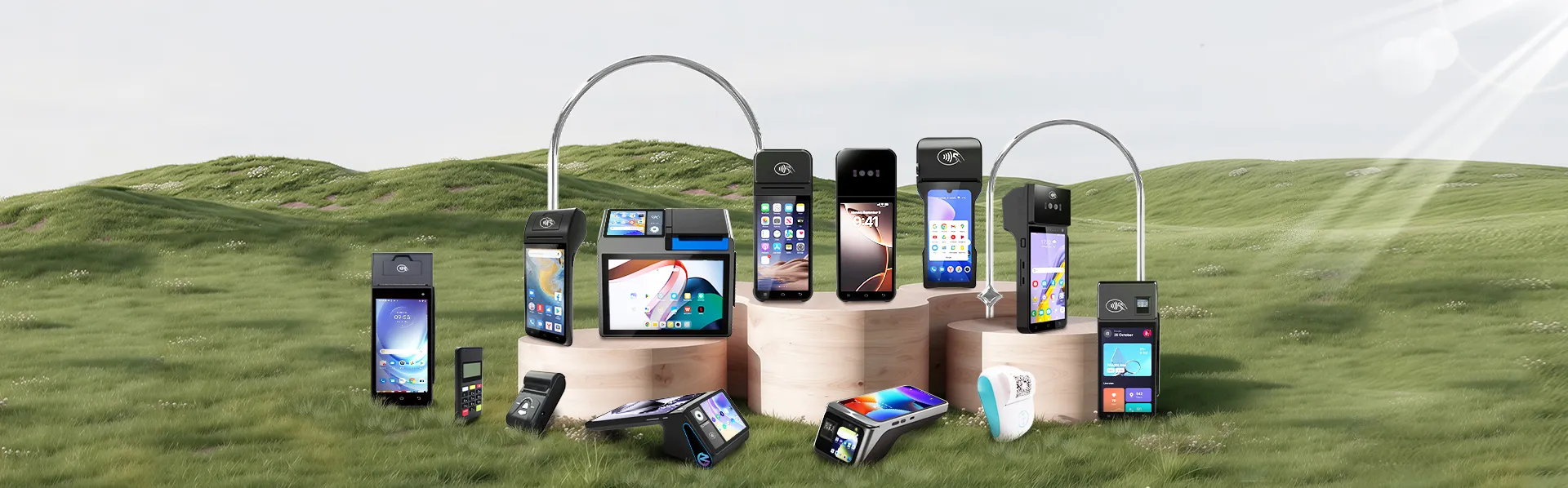
2026-10-28 Author : ZCS
Palm payment has not gone mainstream because it asks people to register a body feature for a checkout task that already feels easy. The technology can recognize a hand quickly, but recognition is only one part of a complete palm biometric identity system. The operator must also link the person to an account, request payment, protect the biometric record and offer another way to pay when something goes wrong.
Palm payment uses a palm print, the vein pattern beneath the skin, or both to recognize an enrolled person. A successful match does not hold money or move money by itself. The wider service uses the match to find a linked card, wallet, meal balance or member account, then sends the transaction through a payment provider.
That difference explains most of the confusion around the category. A palm can replace the action of presenting a card, but a palm scanner cannot replace the payment network behind the card.
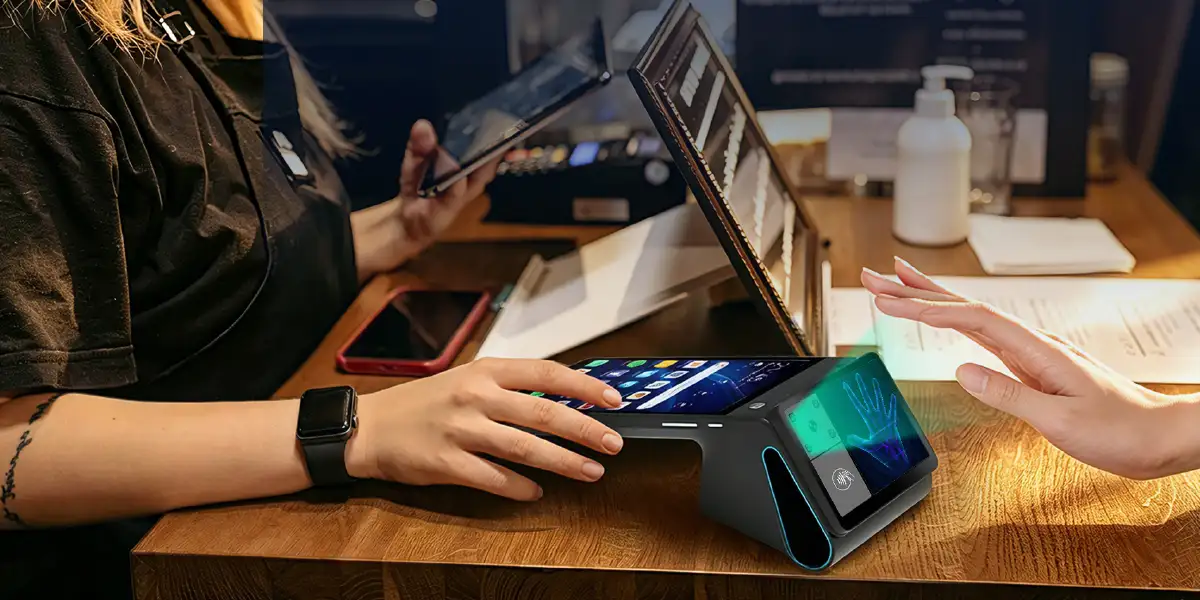
Palm payment competes with a very strong default. A shopper can tap a contactless card without creating a new store account, reading a biometric notice or learning where to hold a hand. A phone wallet adds device security while keeping the familiar card network behind the transaction.
The scale of that default is difficult for a new payment method to match. The European Central Bank reported 29.6 billion contactless card payments in the euro area during the first half of 2025. Contactless payments accounted for 83% of in-person card payments, and 93% of euro-area POS terminals accepted contactless cards, according to the ECB payment statistics.
A palm scan may save a small action, but enrollment adds several new actions. The user may need to create an account, agree to biometric processing, scan one or both hands and connect a card or wallet. A person who visits the store only once may never receive enough convenience to justify that setup.
The central problem is therefore not whether palm recognition can be fast. The problem is whether the result is valuable enough to beat a card tap that already takes about a second.
User feedback supports one simple conclusion: palm payment needs to do more than replace a card tap. In a ZCS discussion on Reddit, participants repeatedly compared the enrollment and privacy cost with the speed of contactless cards. The common concern was not whether palm recognition works, but whether a one-second checkout improvement justifies registering a biometric identity.
The information gain from the palm payment user discussion is the importance of combined use cases. Feedback became more positive when one palm scan could identify a person, open the correct account and approve payment. Campuses, gyms and workplaces felt more suitable because users are already registered and return often.
ZCS sales feedback points in the same direction. Identity-led projects such as school meal distribution and factory systems appear more practical than ordinary retail checkout because recognition solves an existing identity problem as well as a payment problem.
Amazon One gave palm payment a large and highly visible retail test. Amazon introduced the service in 2020 and later placed readers across Whole Foods stores and selected third-party venues. Customers could enroll a palm and connect it with payment or entry functions.
Amazon discontinued Amazon One at participating retail businesses on June 3, 2026. Amazon cited limited customer adoption, according to its public statement reported at the time. The official Amazon One service notice also confirms the service end date.
The shutdown does not prove that palm recognition failed technically. Amazon was also reducing parts of its physical-store operation, so the result should not be reduced to one cause. The useful lesson is narrower: putting readers in many stores did not make enough customers want a new biometric payment relationship.
The Amazon One rollout shows how much support sat behind the hand gesture. Amazon had a known brand, customer accounts, payment relationships and hundreds of locations. Even those advantages did not remove the enrollment and trust questions.
A palm scanner identifies a person; a separate service decides where the money comes from. The matched identity may point to a protected card reference, a wallet, a bank-linked account, a meal plan or a stored balance. The payment provider still approves or declines the transaction.
This separation is important when a user asks, “What happens after I scan my palm?” A normal flow looks like this:
A problem at any step can stop the purchase. A clean palm match does not help when the linked card has expired, the payment provider is offline or the POS has lost the account connection. Staff therefore need to know whether a failure came from recognition, account linking or payment approval.
The detailed Amazon One palm payment history provides a real example of this full chain. The visible palm reader was only the front door to enrollment, identity matching, account linking and payment approval.
Palm payment asks for effort before the first successful purchase. The customer must understand what is being captured, who controls the record, how long it is kept and how to delete it. The operator must explain those points without turning a short checkout into an identity-registration session.
Enrollment becomes easier in places that already register users. A university can add palm enrollment to student onboarding. A factory can add it to employee setup. A gym can connect it to membership activation. An ordinary retailer usually has no equivalent moment.
A technically protected biometric system can still feel unacceptable to a customer. Encryption and checks designed to detect a fake hand matter, but users also want to know who can search the database, whether purchases are tied to identity and whether the data could later be used for another purpose.
The U.S. Federal Trade Commission warns that biometric technologies can create privacy, security, bias and discrimination risks. The agency highlights unexpected collection, weak risk assessment, third-party access, staff training and ongoing monitoring as issues that organizations should address.
Biometric recovery also feels different from card replacement. A bank can cancel a card number and issue another one. A biometric service can cancel a stored template and require new enrollment, but the person cannot replace the physical feature from which the template was created. That difference makes clear deletion, suspension and recovery controls essential.
Palm payment usually adds another checkout option rather than replacing existing ones. Merchants still need cards, phones, QR payments or cash for customers who do not enroll, cannot be matched or simply prefer another method.
The full cost therefore includes more than the palm reader. A deployment needs enrollment software, account management, POS integration, payment-provider integration, privacy controls, staff training, monitoring and customer support. The merchant takes on more complexity unless the palm system also removes work somewhere else.
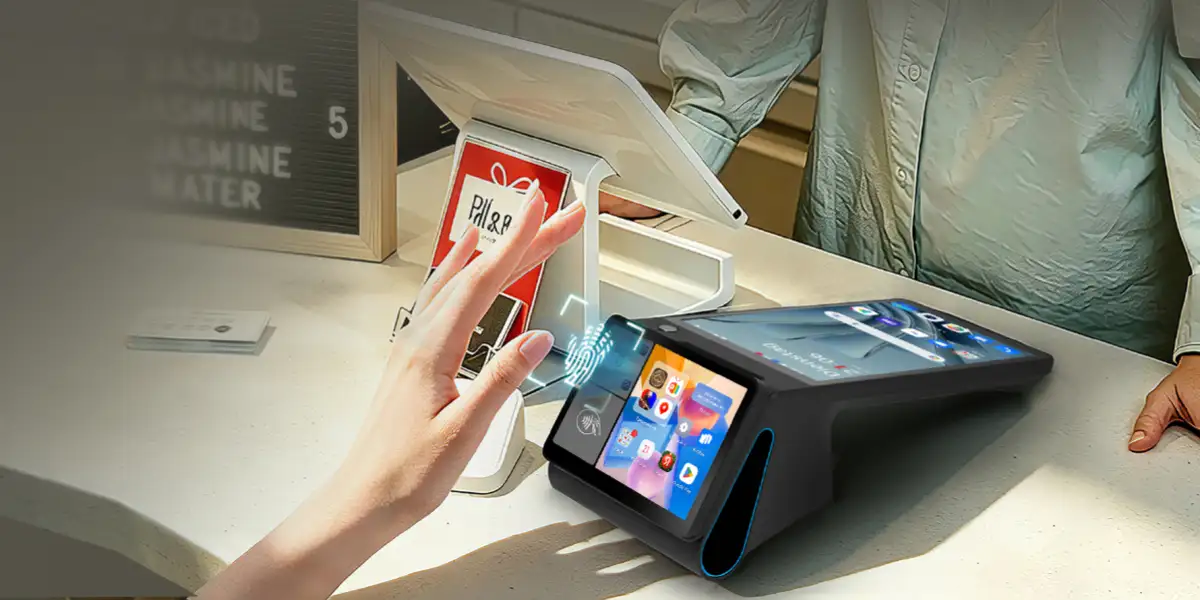
Palm-vein payment is strongest where users return often, identity already matters and one operator controls the experience. These conditions allow the value of enrollment to build over many visits.
Campuses can connect a palm to an existing student record and meal balance. A student does not need to carry a card, and the cafeteria can check both identity and entitlement before completing the transaction. The system may also reduce problems caused by lost or shared cards.
School meal programs require careful consent and a non-biometric alternative, especially where participation affects access to food. The benefit comes from connecting the right person to the right meal account, not from making a futuristic checkout.
Factories can reuse a registered employee identity across attendance, access and cafeteria payment. One enrollment may support several daily tasks, which creates more value than payment alone.
Employee deployments also carry a power imbalance. Workers may not feel free to refuse a biometric system. A responsible program needs a clear purpose, limited access to records and a practical badge, card or other fallback.
The difference between open retail and a controlled program comes down to coordination. A closed program can manage enrollment, devices and support across one known group, but that control also increases the operator’s responsibility for fair use.
Membership venues can combine entry, member lookup and payment in one scan. A gym member may value leaving a phone and wallet in a locker, especially when the same palm opens the gate and charges a drink or service to the member account.
The repeated relationship makes support easier. Staff know who the members are, account recovery can follow an existing process and the operator can explain the system during signup rather than at a busy public checkout.
Palm-vein recognition can help when a payment or benefit must reach the correct registered person. Meal support, controlled allowances and selected public-service programs may need stronger identity checks than a normal store purchase.
These uses demand stricter safeguards than retail. The operator should collect only the data needed for the stated purpose, separate identity records from transaction details where possible and provide help for people who cannot or do not want to use biometrics.
Palm payment can be useful where reaching for a card repeatedly creates real friction. Staff cafeterias, secure laboratories, healthcare check-in points and selected entertainment venues may benefit when users visit often and already have accounts.
The practical test is simple: the palm should remove several repeated steps, not merely replace one card tap. A deployment that cannot name those removed steps probably does not have a strong use case.
A good palm payment project starts with the workflow, not the scanner. Operators should answer six questions before choosing hardware:
Palm payment also needs success measures that reflect real use. Operators should track how many enrolled users return, how often scans complete without help, how many people choose the fallback and whether the system removes another manual step. Recognition speed alone does not answer those questions.
ZCS is most relevant when an operator already has a clear identity-and-payment workflow and needs hardware that can be integrated into it. ZCS supplies the terminal layer; the project owner or system integrator still needs enrollment software, identity records, account rules, a payment connection, consent controls and support procedures.
The Z90NP palm payment terminal is the closest fit for a project that needs both palm recognition and conventional payment acceptance in one handheld device. ZCS documentation lists palm-vein and palm-print capture, a 5.5-inch Android 15 terminal, magnetic-stripe, contact-chip and contactless card readers, plus PCI PTS 5.x and EMV payment certifications.
ZCS also lists Z108P for larger fixed or counter-based deployments. Its 8-inch screen and optional customer display suit cafeteria counters, membership desks and supervised enrollment points better than a small handheld form. A project may therefore use different form factors for enrollment, fixed checkout and mobile service while keeping the same wider identity workflow.
ZCS hardware does not remove the main adoption questions by itself. The advantage is that an integrator can build around the required local wallet, meal account, access system or payment provider instead of treating palm recognition as a closed universal payment network. The limitation is equally clear: integration, data rules and user support remain project responsibilities.
Palm payment needs to deliver more value with less commitment. Wider adoption will depend on four practical improvements.
International pilots show that palm recognition can connect to established payment networks. The Tencent Palm Pay Singapore pilot, for example, linked palm recognition with Visa payment credentials. That approach helps answer where the money comes from, but merchants still need compatible devices and consumers still need supported enrollment.
Palm payment is likely to grow first in narrow, repeat-use networks rather than across every store. Campuses, factories, benefit programs and membership venues can prove whether the complete service saves time, reduces account sharing or improves identity checks. Successful results in those settings may later support broader use, but closed-program success should not be mistaken for universal consumer demand.
The user feedback offers the clearest closing test: people became more receptive when the palm did more than replace a card. Palm-vein payment has a credible future where identity is already part of the transaction. It remains a weak answer where the only problem is that tapping a card takes one second.

Palm payment has not gone mainstream because cards and phones already make checkout fast. Palm payment adds enrollment, privacy decisions, new hardware and support work, so the extra benefit often feels too small in ordinary retail.
A palm scanner does not take money by itself. The recognition system finds an enrolled identity, and the wider payment service uses that identity to select a linked card, wallet, stored balance or other account.
Palm-vein recognition and contactless cards protect different parts of the transaction. Palm recognition can confirm who is present, while the payment network protects and authorizes the financial transaction. Overall safety depends on enrollment, template protection, account linking, payment controls and recovery.
A well-designed system immediately offers another method. The user should be able to present a card, phone, QR code, badge or staffed identity check without losing access to a purchase or essential service.
Palm-vein payment makes the most sense in campuses, factories, gyms, membership venues and selected benefit programs. Users return often, identity already matters and one scan can connect entry, account access, entitlement and payment.
ZCS provides palm-vein terminal hardware for integration, not a universal payment network. A complete deployment still needs enrollment, identity and account software, a payment provider, consent controls, monitoring and a non-biometric fallback.






 Home
 SUNMI vs PAX: Which Platform Fits Your POS App and Payment Project?

