2026-06-03 Author : ZCS
In today’s hectic business world, jumping on the Mobile Payment Terminal bandwagon can really be a game changer. Lisa Chang, a fintech whiz from PaySmart Solutions, puts it simply: “A Mobile Payment Terminal makes transactions smoother, helps boost sales, and makes customers happier.” It’s pretty incredible how this tech lets businesses accept payments easily, whether you're actually in the store or out on the move.
Mobile payments have totally shifted the way shoppers interact with shops. With cash gradually disappearing, folks now want more flexibility and convenience. That’s where Mobile Payment Terminals come in—they make the whole process seamless. They’re portable, user-friendly, and can handle different payment methods without breaking a sweat. If a business invests in this kind of tech, it’s better positioned to compete and succeed out there.
Of course, it’s not all rainbows. Switching over to new tech means some learning curves—training staff, making adjustments, all that. Plus, not all mobile terminals are the same; some might miss important features or lack solid security. Business owners need to choose wisely, focusing on reliability and good support. When you pick the right Mobile Payment Terminal, it can really give your business a boost—but a careful, thoughtful evaluation is key.
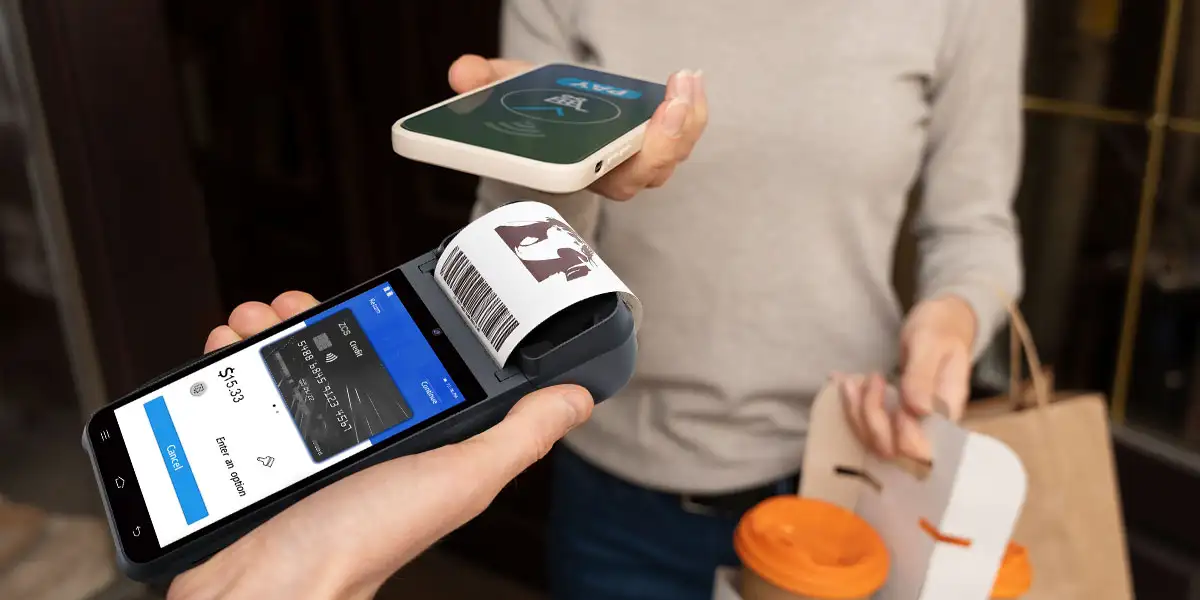
Mobile payment terminals are transforming the retail landscape. They offer flexibility and speed in transactions. Many consumers prefer businesses that accept mobile payments. According to a report from Statista, mobile payment transactions in the retail sector are projected to reach $6.7 trillion globally by 2026. This potential growth represents a significant opportunity for businesses willing to adapt.
Incorporating mobile payment terminals can enhance customer experience. Shoppers appreciate the quick checkout process. Additionally, it reduces waiting time during peak hours. A study by Mastercard reveals that 60% of consumers are more likely to make impulsive purchases when using mobile payment options. However, retailers must be aware of the initial setup costs. Investing in the right technology is crucial for effective implementation.
Security is a paramount concern. While mobile payments offer advanced encryption, businesses must prioritize data protection. Regularly updating systems and training staff on security practices is essential. Customers are increasingly aware of data breaches, which can impact their loyalty. Retailers should find a balance between embracing new technology and addressing potential vulnerabilities.
The trend of contactless payments is transforming consumer transactions significantly. According to recent industry reports, 52% of consumers prefer contactless payments for their quickness and convenience. This growing preference indicates that businesses must adapt to remain competitive. Mobile payment terminals can facilitate this shift, allowing merchants to accept various contactless options.
Security is another pivotal factor. A study found that nearly 70% of consumers feel more secure using contactless technology. Enhanced features like tokenization safeguard transaction data, fostering consumer trust. However, businesses must ensure proper training and awareness about potential security vulnerabilities related to mobile payments.
Tips: Consider starting with a mobile payment terminal that supports diverse payment options. Regularly update security protocols to maintain customer trust. Engage with customers to gauge their preferences regarding payment methods, which can guide future technology investments. As the popularity of contactless payments continues to rise, ensuring seamless payment experiences can lead to customer loyalty and increased sales.
In today's fast-paced environment, mobile payment solutions play a crucial role in enhancing customer satisfaction. A recent study by the Harvard Business Review shows that businesses adopting mobile payments see customer satisfaction increase by 20%. This rise is attributed to the convenience and speed of transactions. Customers appreciate the ability to pay via their smartphones without waiting in long lines.
Additionally, a survey conducted by the National Retail Federation revealed that 75% of customers prefer payment methods that offer quick and easy checkout experiences. Mobile payment terminals reduce transaction times significantly. This means customers spend less time waiting and more time enjoying their shopping experiences. Yet, some businesses struggle with integrating these systems effectively. A lack of proper training can lead to technical issues.
Moreover, while mobile payments improve speed, security concerns remain a barrier for some consumers. Many feel hesitant to share payment information through mobile apps. It’s crucial for businesses to address these concerns. Reliable security measures and transparent communication about data protection are essential. Trust is a key factor in retaining satisfied customers.
Mobile payment terminals offer a solid solution for small businesses looking to save costs. Setting up a traditional payment system can be expensive. You often need hardware, installation, and maintenance. Mobile terminals, on the other hand, require minimal upfront investment. With just a smartphone or tablet, you can begin accepting payments. This affordability attracts many small business owners.
Additionally, mobile payment systems reduce transaction fees. Many services have lower rates than conventional providers. This can lead to significant savings over time. It’s crucial to assess these fees beforehand. Some plans may have hidden costs. A transparent fee structure can help ensure that you stay within budget.
Flexibility is another advantage worth mentioning. Mobile payment terminals can operate in various environments. Whether at a busy market or a cozy café, they adapt easily. However, reliability can sometimes be an issue. Connectivity problems may arise, affecting transactions. Business owners must prepare for these scenarios, creating a backup plan. Evaluating these details is key to making an informed choice.
Mobile payment solutions have rapidly evolved, becoming essential for businesses. Security is a paramount concern. A study revealed that 70% of consumers are more likely to trust businesses that offer secure payment options. With cybercrime on the rise, businesses must prioritize robust security features.
Mobile payment terminals typically use encryption to protect transactions. This makes data nearly impossible to intercept. A prominent report indicates that breaches can cost businesses an average of $3.86 million. Therefore, investing in a secure mobile payment solution can shield companies from significant financial losses.
Tips: Regularly update your payment software to guard against vulnerabilities. Implement multi-factor authentication to enhance security. Train employees on recognizing fraudulent activities.
Fraud prevention is crucial. According to industry data, fraudulent transactions can account for 1.33% of total sales. A proactive approach includes monitoring transaction patterns. Unusual activities should trigger immediate reviews. Businesses must strike a balance between convenience and security. Adopting mobile payment terminals strengthens customer trust and ensures safety in financial transactions.
Mobile payments are transforming how businesses operate. The shift towards digital wallets is especially prominent. Consumers increasingly prefer contactless transactions. This trend is fueled by convenience and enhanced security features. Digital wallets not only streamline the payment process but also build customer loyalty. These platforms often offer rewards or discounts, encouraging repeat business.
However, businesses need to adapt quickly. Not all companies are ready for this transition. The technology can seem complex. Staff training and infrastructure upgrades can be significant hurdles. Businesses must weigh the costs against potential benefits. Those who integrate mobile payment options may face initial challenges but stand to gain from increased customer engagement.
Looking ahead, the influence of digital wallets will likely grow. Emerging technologies like blockchain could reshape payment landscapes. As competition increases, businesses must analyze their payment strategies. The future of commerce may heavily rely on seamless, efficient transactions. Those hesitant to adopt may find themselves at a disadvantage in a rapidly changing market.
Mobile payments are on the rise, revolutionizing the way businesses operate. According to a recent report by Statista, the mobile payment market is expected to reach $12 trillion by 2026. This growth presents a complex landscape of regulatory compliance challenges. Businesses must navigate various local and international regulations to ensure they are operating within legal frameworks. Compliance not only fosters trust but also protects businesses from potential fines and legal issues.
Understanding the regulations is crucial. Businesses must be aware of the Payment Card Industry Data Security Standard (PCI DSS), which applies to all entities that accept, process, store, or transmit credit card information. Non-compliance can lead to hefty fines. Furthermore, local regulations may impact mobile payments, especially regarding consumer protection and data privacy.
Tips: Stay updated on compliance standards relevant to your operation. Engage with legal experts to fully understand your obligations. Regularly review your payment systems to align with evolving regulations.Integrating a mobile payment solution empowers businesses to streamline transactions, but it requires a commitment to compliance. The combination of customer convenience and regulatory adherence can enhance a business's reputation. However, overlooking compliance can lead to operational risks. Periodic audits and assessments are essential for ensuring adherence to regulations in a rapidly changing environment.
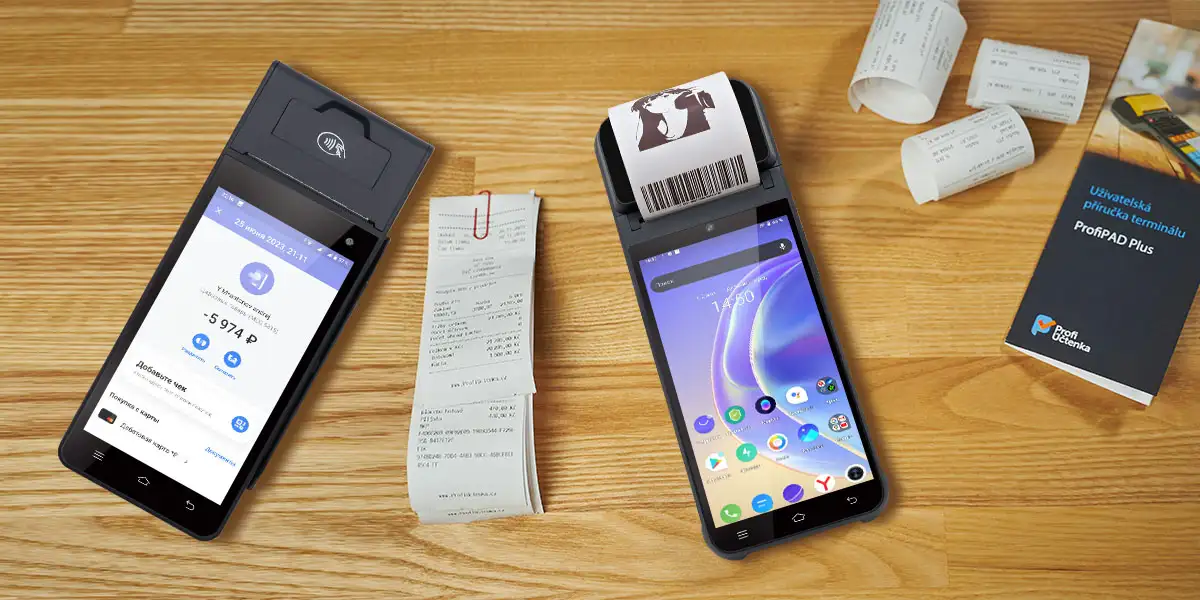
Mobile Payment Terminals have become essential tools for retail businesses, offering numerous benefits that enhance operational efficiency and customer satisfaction. The growing popularity of contactless payments reflects a significant shift in consumer preferences, making transactions quicker and more convenient. Businesses that adopt mobile payment solutions often see improved customer satisfaction rates, as these technologies reduce wait times and streamline purchasing processes.
Moreover, mobile payment terminals are cost-effective for small businesses, reducing overhead costs associated with traditional payment methods. They also incorporate advanced security features to minimize the risk of fraud, which is a growing concern in the digital payment landscape. Looking ahead, the shift towards digital wallets and evolving regulatory compliance will continue to shape the future of mobile payments, making it crucial for businesses to stay informed and adapt to these trends.
Q1. What are the benefits of mobile payment terminals for retail businesses?
They offer speed and flexibility, enhancing the shopping experience. Customers prefer businesses with mobile payment options.
Q2. How do mobile payments affect customer satisfaction?
Customer satisfaction can increase by 20% when mobile payments are used. Speed and convenience play key roles in this improvement.
Q3. What concerns do consumers have about mobile payments?
Security is a major concern. Many customers hesitate to share their payment information via mobile apps due to data privacy risks.
Q4. What are the initial costs of implementing mobile payment terminals?
The setup costs can be significant. Businesses need to invest in the right technology for effective integration.
Q5. How important is regulatory compliance for mobile payments?
Very important. Compliance protects businesses from fines and builds customer trust. Regulations vary by location.
Q6. What should businesses do to ensure data protection with mobile payments?
Regular system updates and staff training on security practices are essential. Addressing vulnerabilities should be a priority.
Q7. What are the challenges businesses face with mobile payment integration?
Some struggle with technical issues due to inadequate training. This can lead to customer frustration during transactions.
Q8. How can businesses build trust with customers regarding mobile payments?
Transparent communication about security measures is crucial. Customers need reassurance that their data is safe.
Q9. Why is quick checkout important for retail businesses?
Faster transactions mean less waiting time for customers, promoting a better shopping experience and increasing impulse purchases.
Q10. What role does customer experience play in mobile payments?
A positive customer experience can lead to loyalty and repeat business. It’s essential for maintaining a competitive edge.
Related Posts
1. Best Point of Sale Systems for Small Business in 2026: Complete Buyer's Guide
2. QR Code POS Terminals: The Key to Fast Checkout in New Retail
3. Are Mobile Food Trucks Ready for Advanced POS Automation? A Complete Q&A Guide
4. Portable Dual-Screen POS Devices: A New Solution for Pop-Up Stores and Mobile Vendors






 Home
Home  How to Choose the Right Countertop Payment Terminals for Your Store?
