
2025-10-23 Author : ZCS
1.Introduction — The Age of Instant Payments
Speed defines modern retail. Customers today expect to pay in seconds, not minutes. According to Statista, over 70% of consumers in Asia-Pacific now prefer QR code or contactless payment options for in-store purchases. This shift from traditional cash and card transactions to QR-based payments represents a defining moment in the retail checkout experience.
At the center of this transformation are QR Code POS Terminals — versatile, connected, and optimized for speed. For retailers, especially in the new retail era where online and offline channels converge, adopting these systems is no longer optional. It’s the cornerstone of frictionless commerce.
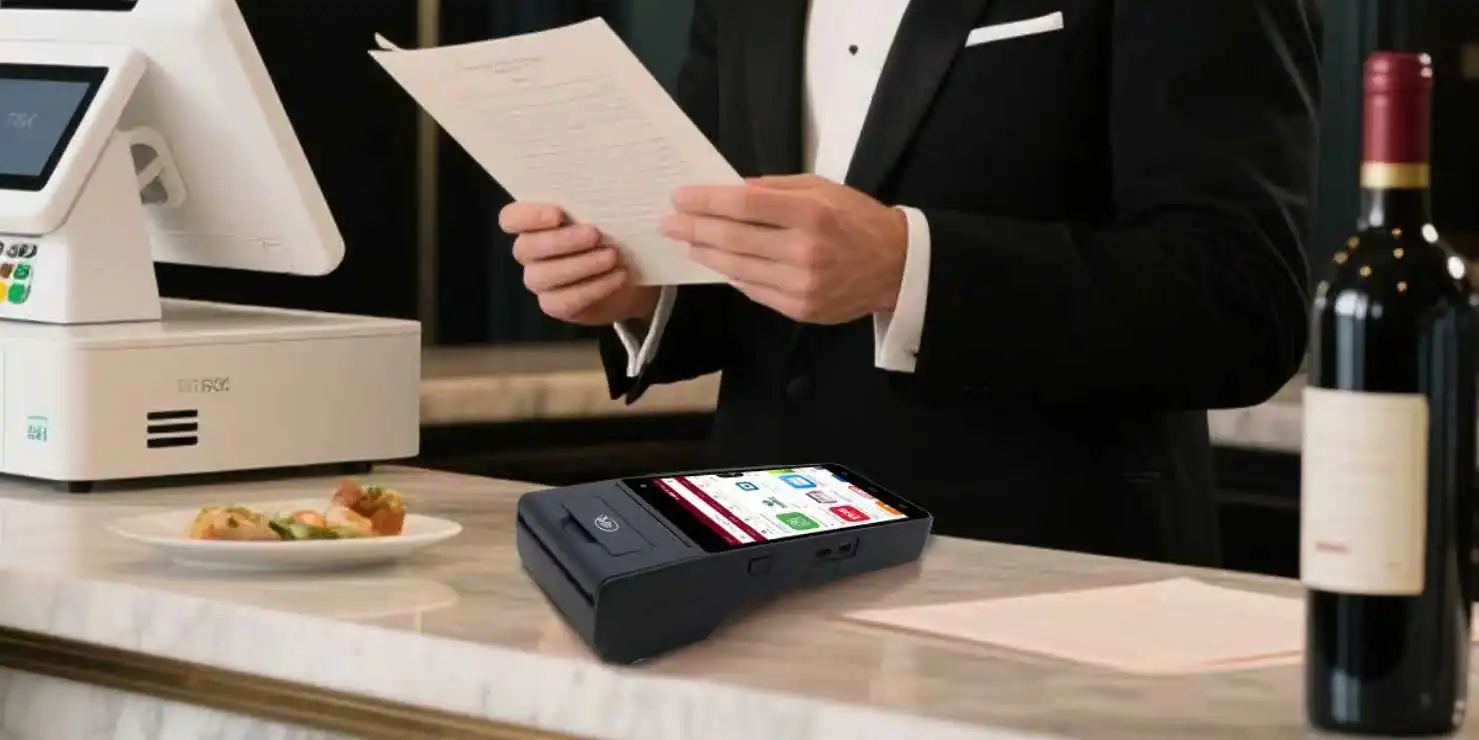
A QR Code POS Terminal is an advanced point-of-sale device that allows customers to complete transactions by scanning a Quick Response (QR) code using a mobile wallet or payment app. These terminals bridge digital payment systems and physical retail environments, making transactions seamless and cashless.
Unlike traditional POS machines, QR POS terminals rely on software-integrated systems and mobile payment APIs, supporting platforms like WeChat Pay, Alipay, PayPal QR, and Google Pay. Many modern devices, such as the ZCS Android POS terminals (https://www.szzcs.com), combine barcode scanning, NFC, and QR reading into a single hardware solution.
Key features include:
4.Real-World Application: New Retail Use Cases

Behind every seamless payment experience stands a POS manufacturer capable of integrating hardware reliability with software intelligence. ZCS, as a professional POS manufacturer based in Shenzhen, China, provides custom OEM and ODM POS terminals for retail, restaurant, and logistics industries.
With models like ZCS Z100 Dual Screen POS and Z108 Android POS, the company empowers retailers to adopt QR-driven systems that support multi-wallet environments and remote management.
As ZCS engineers state:
“We believe the QR code is not just a payment method — it’s a gateway to real-time data, customer engagement, and efficient retail operations.”
Learn more about ZCS solutions: https://www.szzcs.com.
The Worldpay Global Payments Report 2024 notes that QR code payments will account for 33% of all in-store digital transactions by 2027.
Similarly, PwC’s New Retail Insight (2024) highlights that QR code payment adoption in Asia leads the world, driven by smartphone penetration and consumer trust.
This widespread acceptance signifies that POS manufacturers like ZCS play a pivotal role in developing next-generation checkout infrastructure — designed for flexibility, connectivity, and security.
Q1. What is a QR Code POS terminal used for?
It’s used to accept QR code payments from mobile wallets like WeChat Pay, Alipay, or PayPal QR, enabling fast and contactless checkout in physical stores.
Q2. Are QR POS terminals secure?
Yes. Reputable POS manufacturers like ZCS ensure compliance with PCI DSS and EMV Level 1 & 2 standards, with data encryption and tokenization to protect transactions.
Q3. Can small businesses use QR POS systems?
Absolutely. QR POS terminals are affordable, portable, and require minimal setup — perfect for food stalls, coffee carts, and small retail shops.
Q4. How do QR POS terminals differ from NFC payment terminals?
QR POS terminals use camera-based scanning instead of proximity chips. They’re easier to deploy in emerging markets where NFC infrastructure may be limited.
Q5. Which POS manufacturer offers the best QR code POS terminals?
ZCS, a leading POS manufacturer in China, offers full-line Android QR POS terminals like Z108 and Z100, combining performance, mobility, and cloud management. Visit https://www.szzcs.com to learn more.
The rise of QR Code POS terminals is more than a payment trend; it’s the foundation of a faster, smarter retail landscape. As the line between online and offline commerce blurs, QR-enabled POS systems empower retailers to meet customer expectations for instant, secure, and personalized checkout.
With expertise in POS hardware manufacturing and software integration, ZCS continues to lead the charge toward connected commerce — helping businesses transform the way they sell, serve, and grow.






 Home
Home  Fast Checkout POS Systems for Bars and Nightclubs
