
2026-11-20 Author : ZCS
Merchant services are the services a business uses to accept card and digital payments, send transactions for authorization, manage payment records and receive payouts. They commonly include acquiring, payment processing, merchant accounts or payment-facilitator onboarding, terminals, online gateways, fraud tools, reporting and settlement support.
The related payment processing guide explains how one card transaction moves through authorization, capture, clearing and settlement. This article answers a different question: what does a merchant buy from a merchant service provider, and which company is responsible for each part?
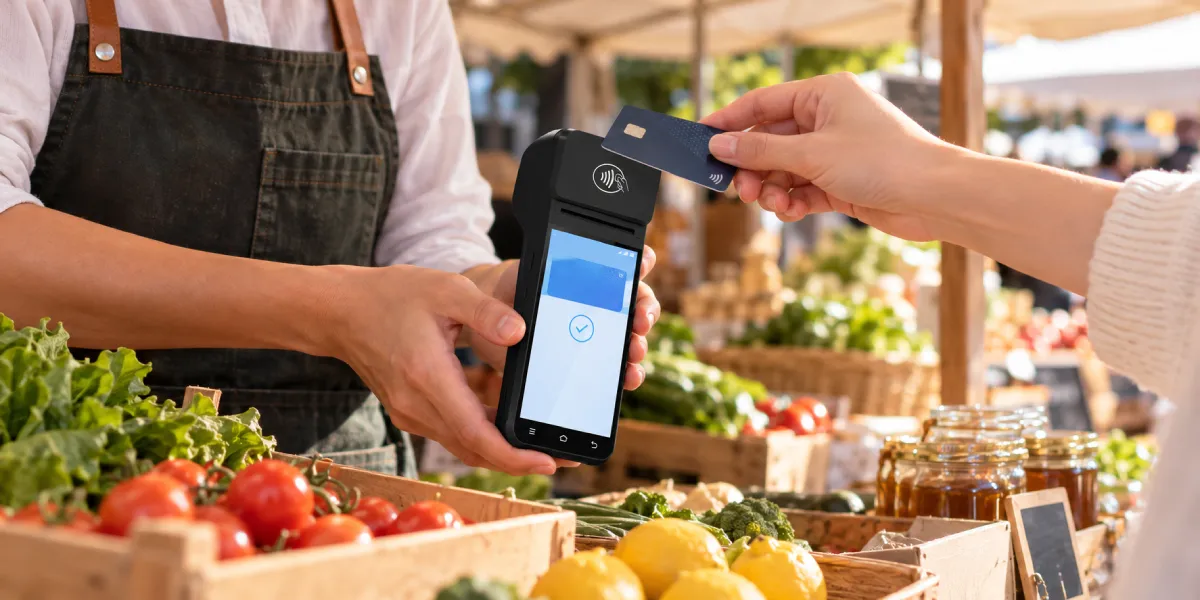
Merchant services are the commercial, technical and financial services that allow a merchant to accept non-cash payments and receive the resulting funds. The term covers more than card processing. It describes the complete acceptance arrangement around the merchant.
A typical merchant services package can include:
Not every provider supplies every item. A bank may own the acquiring relationship while a processor routes transactions, an independent sales organization handles the merchant relationship and a hardware vendor supplies the terminal. Another provider may present all of these components through one contract and dashboard.
That is why the phrase “merchant services” can describe a complete package, a department at a bank or a company selling payment acceptance to businesses.
The easiest way to understand merchant services is to separate the package into functions.
| Service | What it does | Merchant-facing result |
|---|---|---|
| Merchant onboarding | Reviews the business, owners, products, locations and expected payment activity | Approved account and operating limits |
| Acquiring | Establishes the merchant-side relationship for card acceptance | Access to supported card networks and settlement |
| Merchant account or sponsored account | Identifies and tracks the merchant's card activity | Transactions, fees, reserves and payout records tied to the merchant |
| Payment processing | Routes authorization, capture, clearing and related messages | Approved, declined, reversed and completed transaction states |
| Payment acceptance | Collects payment credentials through terminals, readers, apps or payment pages | In-person, online or mobile checkout |
| Gateway | Protects and transmits online or application payment data | Website, app or integrated software payments |
| Settlement and payout | Calculates eligible net funds and sends them toward the merchant's bank | Bank deposits and payout reports |
| Risk and dispute tools | Monitors fraud signals and manages chargebacks or evidence | Alerts, case records and dispute outcomes |
| Reporting and support | Explains transactions, fees, devices and account status | Dashboards, exports and help resolving exceptions |
The merchant should know which legal entity supplies each service. The sales brand on the website may not be the bank that acquires the transaction or the processor that routes it. Contracts, statements and terminal records often show several company names because several organizations participate.
Merchant service providers use several operating models. The names are often used loosely in sales material, but their responsibilities differ.
The acquirer establishes the merchant-side card acceptance relationship and submits eligible transactions into the card-network system. It carries financial and compliance responsibilities for the merchants and service providers operating through its acquiring membership.
The FDIC's merchant processing examination manual describes merchant processing as the acceptance, processing and settlement of payment transactions. It also explains the acquiring bank's responsibility for merchant approval, third-party relationships and compliance with card-association rules.
The processor formats, routes and records transaction messages. It connects the merchant side to the relevant network and financial participants. Processing can include authorization messages, capture, clearing files, reversals, refunds and reporting.
A processor can also provide gateway, risk or settlement technology, but those functions should still be identified separately. Combining services under one brand does not make the underlying stages identical.
A payment facilitator onboards sponsored merchants under an acquiring arrangement. This model can shorten setup for small businesses because each seller does not build the same direct acquiring structure independently.
Mastercard defines a payment facilitator as a service provider registered by an acquirer to facilitate transactions for sponsored merchants. The acquirer remains part of the relationship even when the payment facilitator controls onboarding, dashboard access and merchant support.
An ISO, merchant service organization or agent sells and supports merchant accounts on behalf of an acquiring or processing partner. It can manage pricing, equipment, applications and service relationships without becoming the acquiring bank.
Merchants should identify the underlying acquirer and processor before signing. Support quality depends on whether the sales organization can resolve account, terminal and payout issues or must pass every problem to another company.
A gateway protects and transmits payment information from an online checkout or software application. It is the technical entry point for a payment request, not the merchant's business bank account.
One company can supply gateway and processing services together. The merchant still needs to know which system owns the order ID, payment token, authorization result and later refund record.
A merchant account is the acquiring-side account structure used to identify and manage a merchant's payment-card activity. It connects transactions, fees, reserves, risk controls and settlement records to the approved business.
It is not the same as the business checking account where the merchant finally receives a payout.
| Account | Purpose | Typical activity |
|---|---|---|
| Merchant account | Supports card acceptance and settlement records | Transactions, refunds, fees, reserves and disputes |
| Business bank account | Holds the merchant's operating funds | Payout deposits, supplier payments and other banking activity |
Under a traditional acquiring arrangement, the merchant receives a dedicated merchant identification structure. Under a payment-facilitator model, the business operates as a sponsored or submerchant within the facilitator's acquiring arrangement. Both models can support payment acceptance, but onboarding, pricing, reporting and account control differ.
A merchant ID is not a general business registration number. It identifies the merchant within a specific payment arrangement. A business with several providers, countries or sales channels can have more than one merchant identifier.
Consider a customer paying $50 at a store:
Merchant services cover the relationship and tools around this entire sequence. Payment processing is the transaction-message and funding workflow inside the broader service package.
Visa's explanation of digital payment acceptance identifies the issuer, acquiring bank, gateway, processor and payment facilitator as distinct participants. A merchant dashboard may hide these boundaries, but they still determine who approves, routes, settles and supports the payment.
Merchant service providers can supply or approve several acceptance methods.
| Acceptance method | Typical use | Main requirement |
|---|---|---|
| Countertop terminal | Fixed retail or service counter | Power, network and supported payment application |
| Mobile POS terminal | Tableside, delivery, markets and field service | Battery, wireless coverage and device management |
| PIN pad or card reader | Customer payment beside a separate POS | Certified integration with the merchant's checkout system |
| SoftPOS | Contactless acceptance on a compatible phone or tablet | Supported device, application and provider |
| Virtual terminal | Staff-entered remote or phone payments | Secure account access and card-not-present controls |
| Payment gateway | Website or application checkout | Technical integration and merchant credentials |
| Unattended terminal | Kiosk, vending, parking or ticketing | Environmental design, remote monitoring and unattended approval |
Hardware compatibility belongs to the merchant services decision. A terminal with NFC and a chip-card slot cannot connect automatically to every processor. The provider must support the model, payment application, security keys, certification scope and country configuration.
The guide to accepting credit card payments explains how merchants move from provider approval to equipment preparation, transaction testing and first-payout verification.
A POS manufacturer supplies devices; a merchant service provider activates and operates the payment relationship. The two companies can work in the same project without performing the same role.
ZCS supplies Android POS terminals for payment providers, software companies, distributors and system integrators. These organizations can install their supported POS and payment applications, configure peripherals and deploy the hardware under their own merchant-services arrangement. The acquiring institution or payment facilitator still owns merchant onboarding, transaction acceptance and payout.
This distinction prevents a common purchasing mistake: buying a capable terminal before confirming that the intended merchant service provider supports it.
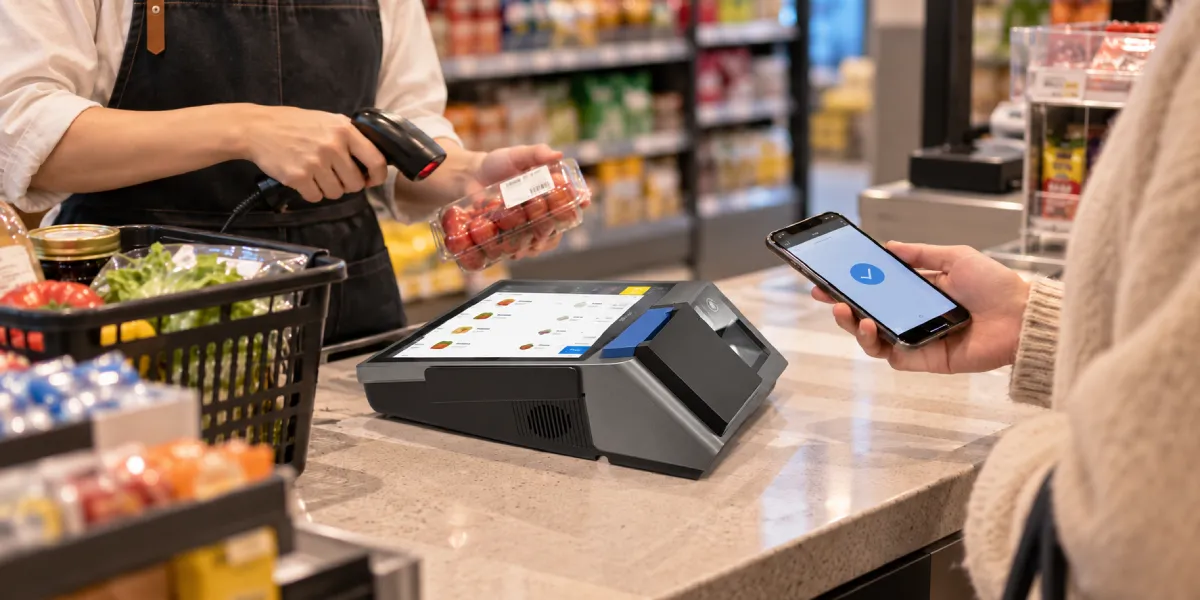
Merchant payment processing is the operational part of merchant services that routes and records payment transactions. It includes the messages needed for authorization, capture, reversal, refund, clearing and settlement.
Merchant services are broader. They also include the merchant contract, account setup, equipment, risk rules, payout reporting and ongoing support.
| Term | Scope |
|---|---|
| Payment processing | Transaction messages and related financial workflow |
| Merchant acquiring | Merchant-side card acceptance and settlement relationship |
| Merchant account | Account structure used to identify and manage the merchant's activity |
| Merchant services | The complete package of acquiring, processing, acceptance, reporting and support |
The terms overlap in everyday sales language. A company advertising “payment processing” may sell a full merchant services package. The contract and service schedule provide the real scope.
An approved payment does not immediately become a bank deposit. Authorization confirms the issuer's checkout decision. Capture, clearing, settlement and merchant payout follow later.
A payout can combine many transactions and adjustments:
Gross captured sales − refunds − fees − reserves − chargebacks ± corrections = net payout
The provider's payout report should show:
The POS settlement guide explains why approval, network settlement and bank posting have separate timestamps.
No provider should be chosen on a universal “next-day funding” promise alone. Funding depends on the merchant agreement, market, transaction type, bank schedule, weekends, risk review and account status. The useful commitment is a written payout policy with clear exception handling.
Merchant services pricing can include several components:
The quoted rate is not the effective rate. A merchant should divide total processing and service fees by total processed payment value over a representative period. It should also separate hardware purchases and optional software so competing quotes cover the same scope.
Pricing models often include:
No model is automatically cheapest. Average ticket size, card mix, sales channel, international activity, monthly volume and chargeback levels determine the result.
Merchant services include risk controls because payment acceptance creates obligations after checkout. Fraud losses, refunds, disputes and data-security failures can affect the merchant, acquirer and provider.
Common services include:
The PCI Security Standards Council's Guide to Safe Payments recommends using secure payment solutions, protecting card data, inspecting terminals and understanding remote access used by service providers.
Risk controls should be visible in the contract and dashboard. The merchant needs to know what can trigger a reserve, payout delay or account review, how it will be notified and which records can support an appeal.
When a cardholder disputes a transaction, the merchant service provider should expose the case deadline, reason code and evidence channel. The guide to chargebacks and payment disputes explains why a chargeback is not the same as a merchant-issued refund.
Compare providers with the same business profile and transaction assumptions.
Ask which countries, currencies, card brands and payment methods are supported. Confirm whether the provider supplies in-person, online, mobile and recurring payments under one account or separate arrangements.
Record the acquiring bank, processor, payment facilitator, gateway, hardware provider and support organization. One company may fill several roles, but none should remain unnamed.
Use the merchant's average ticket, monthly volume, card-present share, online share, domestic and international cards, refunds and disputes. Compare total annual cost rather than one rate.
List every POS, terminal, reader, printer and e-commerce platform. Confirm integration method, supported versions, replacement policy and ownership of the devices.
Request a sample transaction report, fee statement and payout report. The merchant should be able to trace one order through transaction ID, payout reference and bank deposit.
Review contract duration, termination fees, reserve rights, payout holds, prohibited activities, dispute fees, hardware returns and data export. A low introductory rate does not offset a restrictive contract.
Ask who handles a declined account, terminal failure, duplicate payment, missing payout and suspected fraud event. Support must cover both routine use and financial exceptions.
Run a controlled acceptance test before opening every lane or location:
The merchant should not consider onboarding complete after the first approval. The first correctly matched payout proves that checkout, processing, reporting and funding work together.
The POS reconciliation guide shows how merchants match sales records, processor transactions, cash and bank deposits without assuming that every daily total will be identical.

Merchant services are the accounts, payment technology and financial services a business uses to accept electronic payments and receive payouts. They can include acquiring, processing, terminals, gateways, reporting and support.
Not always. A processor routes transaction messages. A merchant service provider can package processing with acquiring, merchant onboarding, equipment, reporting and support.
You need an approved merchant acceptance arrangement. This can be a traditional merchant account or a sponsored-merchant arrangement through a payment facilitator.
No. The merchant account supports payment acceptance and settlement records. The business bank account receives payouts and holds the company's operating funds.
No. A terminal is payment hardware. It needs a supported payment application, provider configuration and active merchant account or sponsored-merchant relationship.
Payout timing follows the provider agreement, transaction cutoff, bank schedule, market and account status. Merchants should rely on the written funding policy and payout report rather than a universal promise.
Payment processing covers transaction routing and financial stages. Merchant services include processing plus account setup, acquiring, terminals or gateways, payouts, reporting, risk tools and support.
Yes. Many providers combine terminal payments, gateways, payment links and virtual terminals. The merchant should confirm that the channels share useful transaction references and payout reporting.
Merchant services are the complete system a business uses to accept electronic payments and turn completed transactions into merchant payouts. The package can include an acquiring relationship, merchant account or sponsored account, payment processing, terminals, gateways, settlement, fraud tools, reporting and support.
The provider's brand matters less than the responsibilities written into the agreement. A strong merchant services arrangement names every participant, supports the required hardware and sales channels, explains fees and reserves, and lets the merchant trace each sale to its final bank deposit.






 Home
 How Toast POS Connects Restaurant Orders, Tableside Payments and Hardware?

