
2026-04-01 Author : ZCS
In today’s digital commerce landscape, small shops face intense competition from online sellers and larger retail chains. To remain competitive, efficient operations and an excellent customer experience are essential. One significant change shaping how small businesses manage sales and operations is the adoption of Android-based integrated smart POS systems — a class of modern POS systems that offer flexibility, affordability, and advanced features traditionally found only in enterprise setups.
In this deep dive, we’ll explore whether an Android POS system is truly suitable for small shops, drawing on industry trends, data, expert commentary, and real business use cases to give you a clear, evidence-based answer.
A smart POS system refers to a point-of-sale platform that integrates sales, inventory, payments, customer management, analytics, and sometimes loyalty tools into one unified solution. When this system runs on Android — one of the world’s most widely used operating systems — it unlocks advantages in hardware compatibility, scalability, and software openness unrivaled by many traditional POS systems.
Unlike legacy POS manufacturers who often supply proprietary hardware and software locked into one ecosystem, Android-based POS systems run on broadly supported hardware and are designed for flexibility, mobile use, and cloud connectivity.
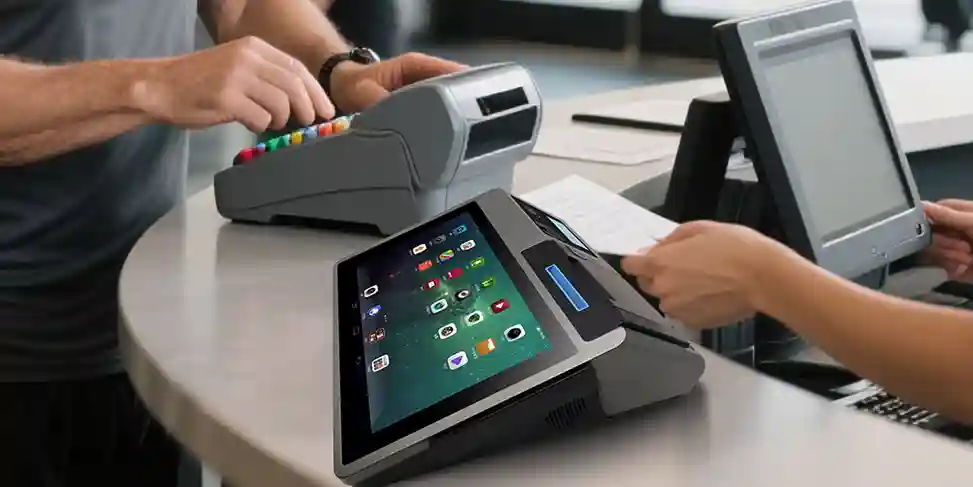
There are several compelling reasons small shops are moving toward Android-based integrated smart POS systems rather than sticking with older terminals or manual billing.
Not only do individual shops report tangible benefits of Android POS systems, but multiple market reports show escalating adoption trends:
POS systems are no longer just cash registers — modern POS solutions have evolved into business operating systems powering payment, analytics, inventory, and customer management. Trends show the global POS market is expected to expand significantly through 2030 driven largely by cloud, mobile, and Android platforms.
Android smart POS systems deliver inventory, payment, and mobile checkout capabilities that small retailers can leverage to compete with larger stores without investing in costly infrastructure.This market growth reinforces that Android-based POS systems are no fad — they reflect a broader shift toward integrated, software-driven retail operations.
Understanding the difference between Android and traditional systems is essential before making a purchase decision.
As a leading POS manufacturer, ZCS builds robust, adaptable solutions tailored to retail and service businesses of all sizes. When evaluating an Android-based integrated smart POS for your shop, consider the advantages offered by ZCS devices:
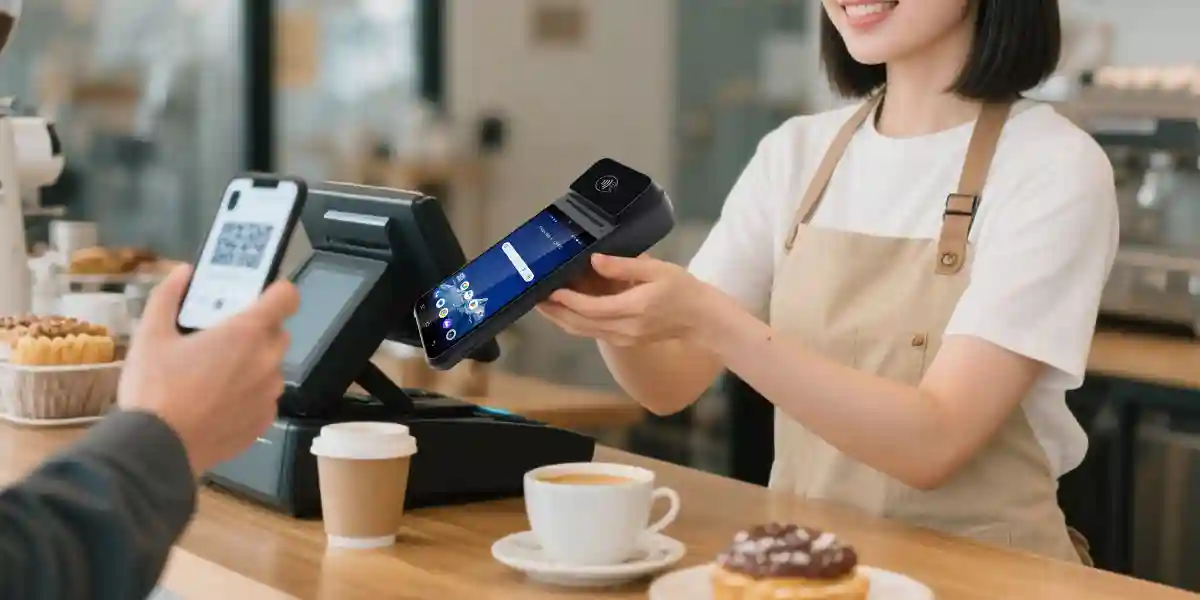
Yes — an Android-based integrated smart POS system is not only suitable but often preferable for small shops.
These systems offer:Lower upfront and ongoing costs,Flexibility across business types,Real-time data access and cloud integration,User-friendly interfaces and rapid staff onboarding,Scalability as your business grows.
Compared to legacy POS solutions, Android POS provides a path to future-proof your operations, deliver better customer service, and grow your bottom line — all while keeping expenditure in check.
By choosing a trusted POS manufacturer like ZCS and deploying an Android-based solution tailored to your needs, your small shop can thrive in a competitive market with modern, adaptive technology.
Q1. What is the primary advantage of an Android-based POS system for a small shop?
Android POS systems are cost-effective and flexible, offering cloud connectivity, mobile use, and scalability that help small shops run efficiently without costly infrastructure.
Q2. Can Android POS systems handle inventory and customer data?
Yes — modern Android POS solutions come with built-in inventory tracking, CRM tools, and analytics that help small shops make better decisions.
Q3. Are Android POS systems secure enough for payment processing?
Yes — with regular updates and secure payment integration, Android POS platforms comply with modern security standards.
Q4. Is customer experience improved with an Android POS?
Absolutely — faster checkouts, mobile ordering, integrated payments, and personalized services all contribute to better customer experiences.
Q5. Are Android POS systems difficult to integrate with other tools?
No — most Android POS platforms support API integrations and cloud tools, making them compatible with accounting, e-commerce, and BI systems.
Related Posts
1. Smart POS Systems: A Modern Business Guide
2. How Android POS Systems Enable Rapid Multi-Payment Expansion?






 Home
Home  Why Do Logistics Businesses Need Rugged Mobile POS Devices in 2026?
