
2026-03-27 Author : ZCS
Traditional POS systems record what already happened. An AI-powered POS system tells you what's going to happen next — and gives you time to act on it.
For retailers managing thin margins, multi-location inventory, and rising customer expectations, the gap between reactive reporting and predictive intelligence is where profit is won or lost. This guide explains how AI-powered predictive sales POS systems work, what business problems they solve, and what hardware capabilities make AI-driven forecasting reliable in practice.
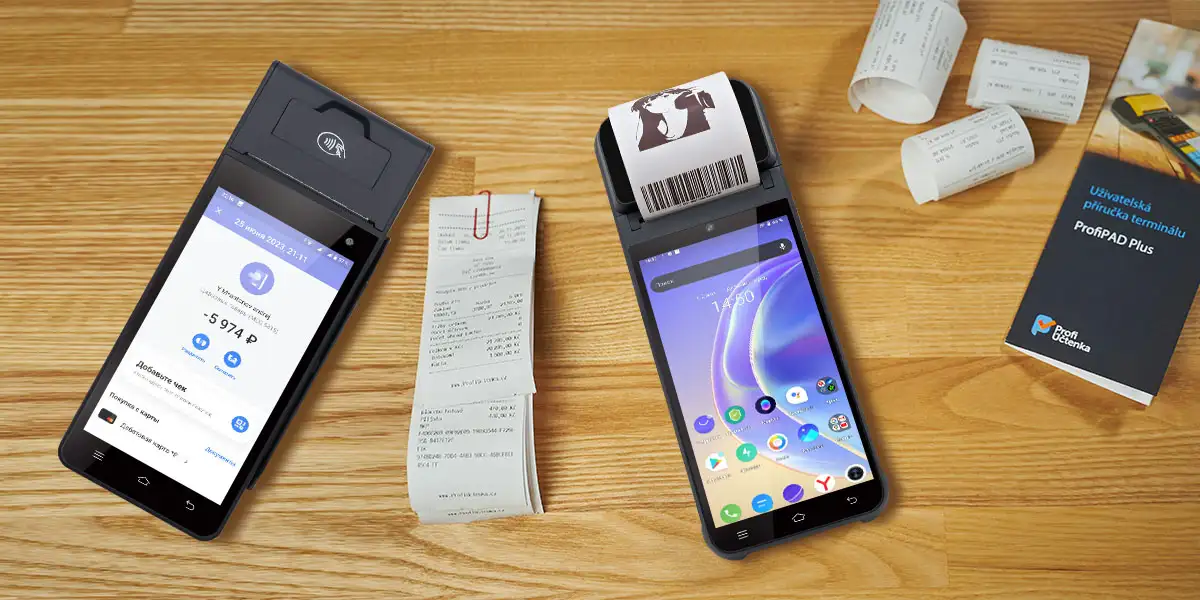
An AI-powered predictive sales POS system is a point-of-sale platform that combines machine learning, predictive analytics, and real-time data processing to forecast demand, optimize inventory, and guide operational decisions — rather than simply recording completed transactions.
Where a traditional POS answers "what sold yesterday," a predictive POS system answers "what will sell next week, and how much stock do you need to have ready."
The core functions include:
This shift from transaction recorder to decision engine is why predictive POS systems are increasingly the baseline expectation for competitive retail operations.
The intelligence layer of an AI-powered POS system is built on predictive analytics — a combination of machine learning models, statistical analysis, and data mining that identifies patterns in historical and real-time data to forecast future outcomes.
According to IBM's overview of predictive analytics, these models analyze existing data to determine the probability of future results, enabling organizations to act on foresight rather than hindsight.
In a retail POS context, this means:
The practical difference: instead of a buyer manually reviewing end-of-month reports and making reorder decisions based on instinct, the system surfaces precise recommendations — updated continuously as new sales data comes in.
Predictive sales intelligence is not limited to product retail. Service businesses operate on the same core challenge: matching supply (staff, materials, capacity) to demand — and the cost of getting that wrong is just as high.
Retail environments use AI POS systems primarily for inventory forecasting, demand planning, and promotional optimization across single or multi-location operations.
Service businesses — including restaurants, salons, fitness studios, and repair services — apply the same predictive logic to different variables:
The underlying AI architecture is the same. What changes is the data model — product SKUs become service slots, inventory becomes staff availability and supply consumption, and promotional rules adapt to appointment-based rather than transaction-based commerce.
For service businesses evaluating an ai sales system, the hardware layer matters just as much as the software: terminals need to handle appointment workflows, membership lookup, and multi-payment types reliably in high-touch customer environments.
The business case for AI-powered predictive POS systems is well-documented:
These figures describe a consistent pattern: retailers using predictive intelligence outperform peers relying on manual forecasting — in inventory efficiency, margin protection, and customer experience consistency.
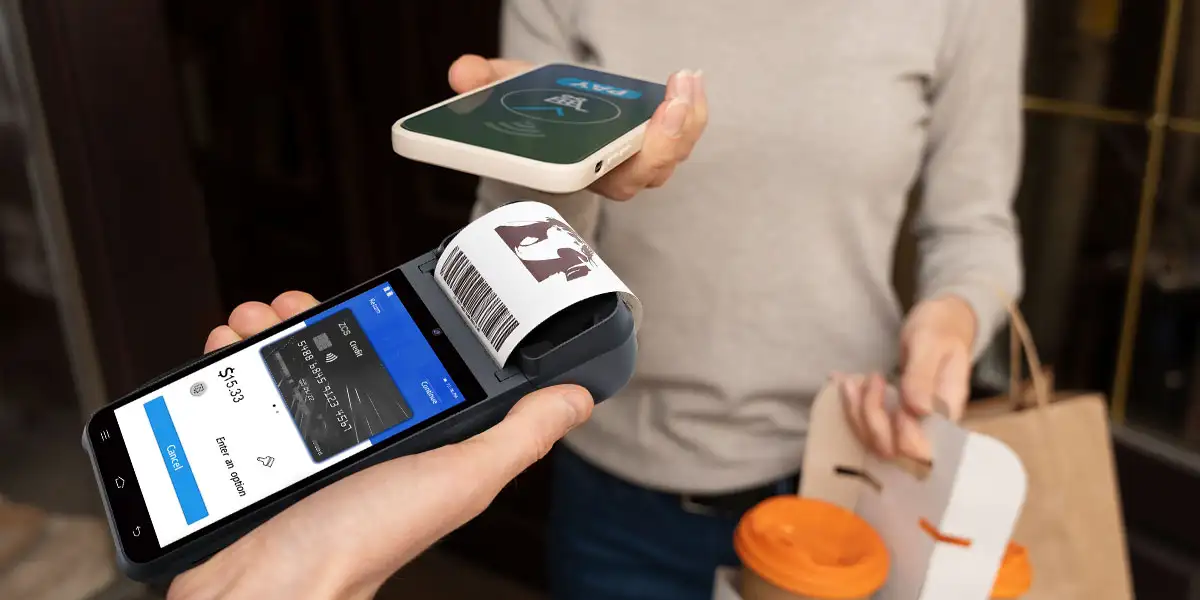
AI eliminates the reorder guesswork that causes both stockouts and overstock. The system tracks sales velocity, applies seasonal adjustments, and surfaces replenishment recommendations before inventory becomes a problem — not after. For multi-location operators, it also optimizes stock allocation across sites based on location-level demand signals. Retailers running these predictions across borders face an added layer of complexity — this guide to configuring a TMS for deploying Android POS terminals across multiple countries covers how centralized fleet management keeps that data consistent at scale.
AI forecasting answers operational questions that static spreadsheets cannot: which products will peak next quarter, which locations need buffer stock ahead of a regional event, how a promotional campaign will affect sell-through rate. SAP's research on AI in forecasting documents how machine learning removes the manual data-processing bottleneck that limits traditional forecast accuracy.
Predictive models analyze individual purchase histories and behavioral patterns to surface relevant upsell suggestions and personalized offers at the point of sale. The result is higher average transaction value and stronger repeat purchase rates — without requiring sales staff to manually track customer preferences.
Beyond inventory and sales, AI-powered POS systems flag staffing mismatches, detect anomalous transaction patterns, and identify promotional timing windows — shifting managers from reactive troubleshooting to proactive planning.
This cycle replaces the manual reporting-and-guessing loop with a self-improving intelligence layer that becomes more precise as the business scales.
AI forecasting logic runs in the cloud or at the edge, but the terminal is where that intelligence meets the transaction. Hardware limitations — processing speed, connectivity reliability, peripheral compatibility — directly affect whether AI-powered features perform under real retail conditions.
Key hardware considerations for AI POS deployments:
ZCS Android POS terminals are built on an open platform architecture that supports direct SDK integration with third-party AI analytics systems, inventory management platforms, and loyalty engines. This gives retailers and ISVs the flexibility to deploy best-in-class predictive software on reliable, purpose-built retail hardware — without being locked into a single software vendor's ecosystem. For retailers weighing options beyond a single vendor, this B2B buyer's guide to China's top POS terminal manufacturers compares how leading players approach open-platform hardware design.
Note: Payment certification for ZCS terminals (excluding the Z90) is handled through the integrating PSP or ISV. The Z90 independently holds PCI PTS, EMV L1/L2, Visa, Mastercard, UnionPay, PayPass, and PayWave certifications.

Q1. What is an AI-powered predictive sales POS system?
A point-of-sale platform that uses machine learning and predictive analytics to forecast demand, optimize inventory, and guide operational decisions in real time — rather than simply recording completed transactions.
Q2. How does predictive analytics improve inventory planning?
By analyzing historical sales patterns, seasonal signals, and real-time sell-through rates, predictive models estimate future demand at the SKU level — enabling replenishment decisions before stockouts develop rather than after.
Q3. Can small retailers benefit from an AI-powered POS system?
Yes. Cloud-based AI analytics have significantly reduced the infrastructure cost of predictive intelligence. Small and mid-sized retailers can access demand forecasting, inventory optimization, and personalized promotion tools without enterprise-scale IT investment.
Q4. How does AI forecasting differ from traditional methods?
Traditional forecasting relies on static historical averages and manual adjustment. AI forecasting uses machine learning models that continuously update based on new data — adapting to emerging patterns, promotional effects, and external signals that manual methods miss.
Q5. What data does an AI predictive POS system analyze?
Sales transaction history, customer purchase behavior, real-time inventory levels, promotional calendars, seasonality patterns, and — in more advanced deployments — external signals like local events or weather data.
Related Posts
1. What Role Does AI Play in Modern POS Systems and Inventory Forecasting?






 Home
Home  Is an Android-Based Integrated Smart POS System Suitable for Small Shops?
