
2026-05-18 Author : ZCS
In today’s fast-moving business world, being flexible is more important than ever. That’s where a Mini POS system really comes in handy—providing that much-needed adaptability. Traditional point-of-sale setups can be a real hassle, often needing a lot of time to set up and bulky hardware that takes up space. On the flip side, a Mini POS is small, lightweight, and portable, so you can pretty much run your business anywhere you want. It’s perfect for all kinds of industries—whether you're in retail, food service, or something else.
With a Mini POS, making transactions feels smooth and effortless. Picture this: a busy café during lunch rush, quickly taking orders with ease. Customers don’t have to wait as long, which totally boosts their experience. Plus, its compact size means it doesn’t hog your counter space, making it ideal for smaller spots.
Of course, it’s not all perfect—there are a few things to keep in mind. Some folks might find the learning curve a little steep at first. And, yeah, integrating it with your current systems might require a bit of work. But with good training and support, those hurdles can be easily managed, helping you get the most out of it.
As you think about whether a Mini POS is right for your business, keep these factors in mind. It’s all about weighing the benefits against any challenges, and finding the best fit for you.
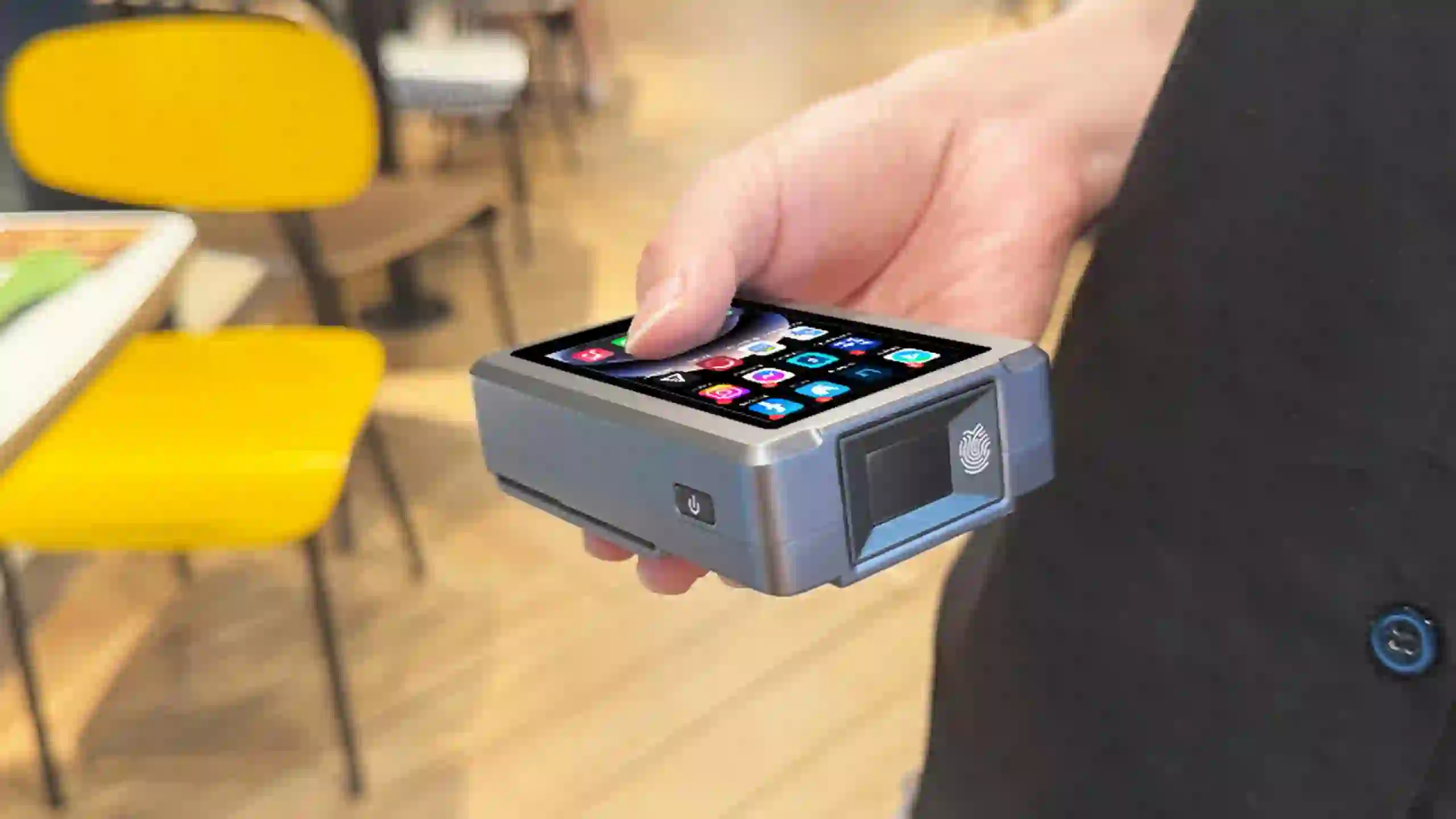
In the ever-evolving landscape of modern retail, the Mini POS system plays a vital role. These compact systems are designed to process transactions quickly. They can operate in various settings, from grocery stores to pop-up shops. Deploying a dedicated mobile pos for street vendors or outdoor stalls allows businesses to set up checkout points virtually anywhere. This flexibility can greatly enhance customer satisfaction.
Mini POS systems offer several advantages. They often feature touchscreen interfaces, making them user-friendly. Staff can be trained quickly, which reduces onboarding time. Moreover, these systems can integrate with inventory management tools. This connection ensures real-time stock monitoring, preventing over-selling. However, businesses must assess their actual needs. Not every retailer may benefit equally from such a system. The investment in Mini POS should align with business goals.
Furthermore, while these systems simplify transactions, some challenges remain. Connectivity issues may arise, affecting efficiency during peak hours. Also, businesses must ensure data security measures are robust. Customer trust hinges on how well businesses protect personal information. A careful evaluation of these factors can help businesses leverage the Mini POS effectively.
Mini POS systems have become essential tools for businesses seeking efficiency and improved customer experiences. One key feature is mobility. These compact systems allow merchants to process payments anywhere. Whether at a market stall or a pop-up shop, transactions can happen on the spot. This flexibility can enhance customer satisfaction and potentially increase sales.
Another important feature is integration. Mini POS systems often connect seamlessly with inventory and accounting software. This real-time synchronization helps businesses track inventory levels accurately. However, a lack of understanding of this integration can lead to discrepancies in records. Businesses might face challenges if they are unfamiliar with these technologies. Configuring these systems requires a learning curve, which may be daunting for some users.
User-friendly interfaces are crucial. Many mini POS systems are designed with simplicity in mind, making them accessible for all staff. Yet, relying solely on ease of use can cause overconfidence. Employees may overlook essential features. Training is vital to fully utilize the system's capabilities. Without it, businesses might not reap maximum benefits. Proper implementation and ongoing education are necessary for success.

Mini POS systems are becoming popular among businesses for their flexibility and efficiency. Unlike traditional POS systems, Mini POS solutions are more compact and often mobile, allowing transactions to occur anywhere. This mobility can greatly enhance customer service by reducing wait times. However, some might feel uncertain about the information security of these systems.
When comparing Mini POS with traditional solutions, consider transaction volume and space. Traditional POS setups require significant counter space and can be cumbersome. A Mini POS typically uses a smartphone or tablet, making it easy to set up anyplace. This flexibility can attract customers in a way that traditional systems cannot.
Tips: Assess your business needs carefully. If foot traffic fluctuates, a Mini POS may better serve you. Also, ensure that any Mini POS system you choose has robust security features. Data protection is crucial for future-proofing your business. Analyze user reviews and current usage to gauge reliability.
4. Statistics on Mini POS Adoption Rates Among Small Businesses
As small businesses increasingly adopt technology, Mini POS systems are gaining traction. Recent statistics indicate that approximately 45% of small businesses have integrated Mini POS into their operations. This reflects a growing trend towards convenience and efficiency in payment processing. With features like mobile payments and inventory management, Mini POS systems are accessible for many business owners.
Implementing a Mini POS can improve customer satisfaction. Quick transactions streamline service, leaving customers happy. More satisfied customers often lead to repeat business. One effective tip is to train staff thoroughly on the system. Knowledgeable employees can resolve issues swiftly. This builds trust with customers, which is essential for retention.
Another consideration is data security. While Mini POS offers many benefits, businesses must remain vigilant about cybersecurity. Regular software updates are essential for protecting sensitive information. A potential weakness could emerge if systems are not properly maintained. Therefore, constant monitoring and updates are crucial for long-term success. Emphasizing these practices can create a secure environment, further encouraging customers to engage with the business effectively.
Mini POS systems are transforming how businesses interact with customers. These compact devices enable quick transactions, improving operational efficiency. With easy access to sales data, businesses can make informed decisions. This strengthens their ability to tailor offerings to customer preferences.
The benefits extend beyond speed. Mini POS enhances customer engagement by providing a seamless checkout experience. Customers appreciate the convenience of fast payments. This streamlined process cultivates satisfaction and builds loyalty. Moreover, Mini POS systems often include features like customer feedback collection. These insights allow businesses to adjust their services, directly addressing consumer needs.
However, relying solely on technology can create challenges. Some customers may prefer personal interaction over digital transactions. Balancing technology and human touch is crucial. By integrating Mini POS while maintaining personal connections, businesses can truly enhance customer experience and foster lasting relationships.
What is Mini POS and How Can It Benefit Your Business? - Benefits of Mini POS in Enhancing Customer Experience and Engagement
| Feature | Description | Impact on Customer Experience | Additional Benefits |
|---|---|---|---|
| Mobility | Portable device ideal for on-the-go transactions. | Faster service delivery, enhancing convenience for customers. | Increased sales opportunities in various settings. |
| User-Friendly Interface | Intuitive design making it easy for staff to use. | Reduced waiting time increases customer satisfaction. | Lower training time for employees, improving efficiency. |
| Integration Capability | Seamlessly connects with inventory and customer management systems. | Enhanced personalization for customer service. | Better data tracking for informed business decisions. |
| Remote Access | Access sales data and reports from any location. | Improved responsiveness to market trends and customer needs. | Active management leading to increased profitability. |
| Cost-Effective | Lower initial investment compared to traditional POS systems. | Accessibility for small businesses to offer modern services. | Cost savings allow reinvestment in other business areas. |
Mini POS systems have emerged as a practical solution for many businesses. Their primary advantage lies in cost-effectiveness. These systems reduce the need for expensive hardware and extensive software. The compact design minimizes upfront investment. Businesses can save on physical space too. These savings are crucial, especially for small retailers or cafes.
Operational expenses can also drop as Mini POS systems streamline transactions. They can handle sales, inventory, and customer management in one device. This synergy reduces manual tasks, which saves time. Staff can focus more on customer service rather than administrative duties. Less time spent on these tasks often leads to enhanced productivity and improved customer satisfaction.
However, there's a learning curve. Staff may need training to adjust to the new system. Initial setup can be time-consuming, creating temporary disruptions. It’s essential to plan for this transition period. Inadequate preparation can lead to frustration. Yet, once established, the benefits typically outweigh the challenges. The potential for long-term cost savings is a key incentive for businesses considering a shift to Mini POS solutions.
The evolution of Mini POS technology is transforming retail. By 2026, we can expect more advanced features that enhance customer experience. The Mini POS stands out due to its compact design and user-friendly interface. Retailers can streamline transactions with ease, improving efficiency and reducing wait times.
As technology advances, Mini POS systems will incorporate AI and machine learning. Integrating smart pos systems for food trucks will allow mobile catering brands to analyze sales patterns and customer preferences with incredible precision. Such insights can guide inventory management and marketing strategies. Retailers may face challenges adapting to these tech shifts. Training staff effectively will be crucial.
Privacy concerns are another area for reflection. Secure transactions must remain a priority. Customers will expect robust security measures as these systems evolve. Retailers will need to balance innovation with customer trust. The journey ahead for Mini POS systems promises both exciting opportunities and challenges.
Projected Adoption Rates of Mini POS in Retail Technology by 2026
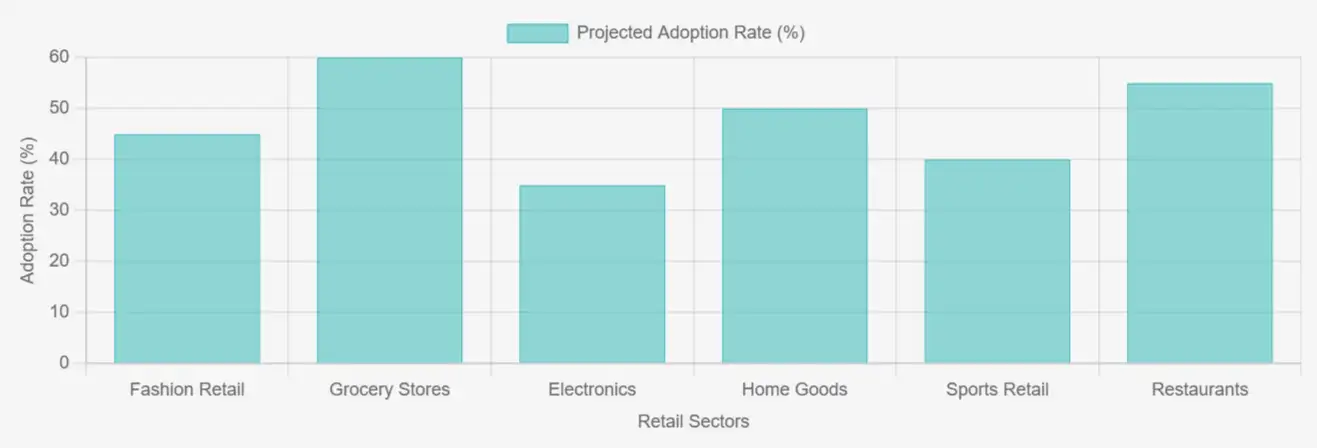
The following chart illustrates the anticipated adoption rates of Mini POS systems across various retail sectors by the year 2026. This data highlights the growing trend of integrating compact point-of-sale solutions in retail businesses, underlining their increasing importance in enhancing customer experience and operational efficiency.
Q1. What is a Mini POS system?
A Mini POS system is a compact device designed for processing transactions quickly in retail environments.
Q2. How do Mini POS systems benefit customer experience?
They enable quick transactions and improve operational efficiency, leading to enhanced customer satisfaction.
Q3. Can Mini POS systems be used in various settings?
Yes, they can operate in diverse locations, from grocery stores to pop-up shops, providing flexibility.
Q4. Are there challenges with using Mini POS systems?
Yes, connectivity issues can arise, affecting efficiency. Data security is also a critical concern for customer trust.
Q5. How do businesses ensure effective use of Mini POS?
They should assess actual needs and align the investment with business goals for better results.
Q6. Is personal interaction important in retail?
Yes, some customers prefer personal interaction over digital transactions, so a balance is needed.
Q7. Can Mini POS systems help in making business decisions?
Yes, easy access to sales data allows businesses to tailor offerings according to customer preferences.
Q8. What is the significance of customer feedback?
Collecting feedback can help businesses adjust services, enhancing overall customer experience.
Q9. Should businesses rely solely on technology?
Not necessarily. Maintaining a human touch alongside technology is essential for fostering lasting relationships.
Related Posts
1.Best Portable Mini POS Machine Manufacturer
2.What is an Epos Terminal and How Does It Benefit Your Business?
3. What Is a Pocket POS, and How Is It Different From Mobile POS?






 Home
Home  Smart POS Systems: A Modern Business Guide
