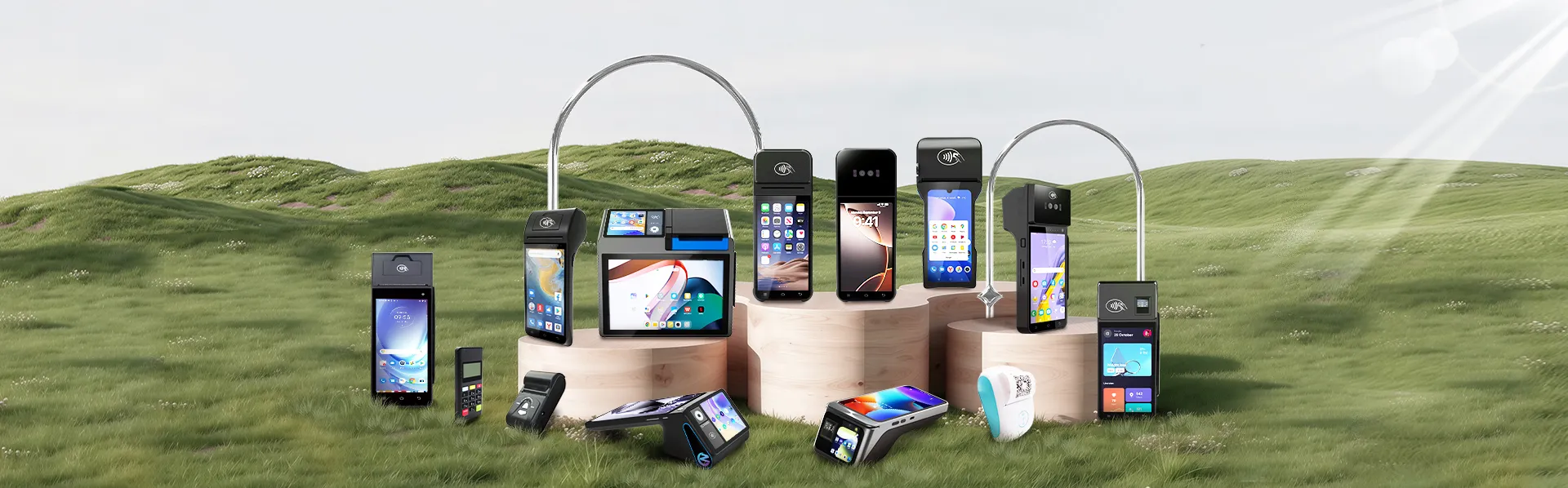
2026-03-04 Author : ZCS
The global hospitality landscape is undergoing a profound transformation, moving from traditional service models toward a data-driven, digital-first ecosystem. Central to this evolution is the Restaurant POS (Point of Sale) System—a critical infrastructure that has evolved from a simple cash register into a sophisticated hub for business intelligence. Today, identifying the leading restaurant POS system brands involves looking beyond simple software interfaces; the industry now prioritizes a hardware's ability to integrate seamlessly with complex, multi-layered operational workflows — from cloud-based order management to real-time kitchen display synchronization. For a full breakdown of the hardware features modern restaurant POS systems require, see our Best POS Systems for Restaurants in 2026 guide.
In an era where consumer expectations for speed and personalization are at an all-time high, restaurants face mounting pressure. Inefficient checkout processes, limited payment acceptance, and fragile hardware that fails during peak hours are common bottlenecks that erode profit margins. Addressing these challenges requires more than just a standalone device; it demands integrated solutions that bridge the gap between digital orders and physical fulfillment. Among the global leaders in this space, Shenzhen ZCS Technology Co., Ltd. (ZCS) has emerged as a pivotal force, providing the robust Android-based hardware architecture that empowers the world's most efficient dining establishments.
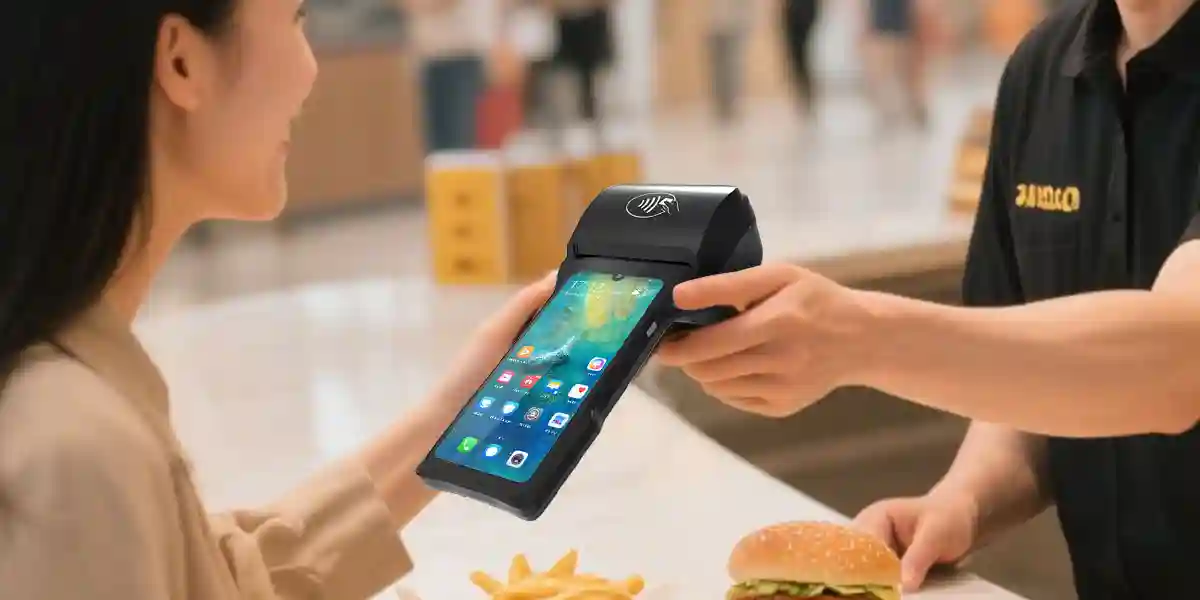
The restaurant POS market is served by a range of hardware and software providers, each with distinct strengths depending on scale, region, and integration requirements. The following brands are consistently referenced across industry evaluations:
Restaurant POS Software Platforms
| Brand | Deployment | Offline Mode | Tableside Ordering | Built-in Hardware | Kitchen Display Integration | Multi-location Management | Primary Market |
|---|---|---|---|---|---|---|---|
| Toast | Cloud | Yes (limited) | Yes — Toast Go handheld | Toast-branded terminals (sourced) | Yes — native KDS | Yes | US-focused |
| Square for Restaurants | Cloud | Yes (limited) | Yes — Square Terminal | Square-branded hardware (sourced) | Yes — via add-on | Yes | US / CA / AU / UK |
| Lightspeed Restaurant | Cloud | Yes | Yes — via integrated hardware | Third-party hardware | Yes | Yes | North America / Europe |
| Clover | Cloud | Yes (limited) | Yes — Clover Flex handheld | Clover-branded hardware (sourced) | Via third-party apps | Yes | US-focused |
| Oracle MICROS | Cloud / On-premise | Yes — strong | Yes | MICROS-branded + third-party | Yes — native | Yes — enterprise-grade | Global enterprise |
| Revel Systems | Cloud (iPad-based) | Yes — strong | Yes — iPad handheld | iPad + Revel peripherals | Yes | Yes | US / AU |
| TouchBistro | Cloud (iPad-based) | Yes — strong | Yes — iPad handheld | iPad + TouchBistro peripherals | Yes | Yes | US / CA / UK |
Restaurant POS Hardware Manufacturers
| Brand | Built-in Printer | Android Version | GMS / Google Pay | Payment Support | Free SDK for ISV | ODM / Customization | Primary Market |
|---|---|---|---|---|---|---|---|
| PAX Technology | No — external required | Android 14 (PayDroid) | No GMS | NFC · EMV · all major schemes | Paid / restricted | Brand only | Global — Tier 1 |
| SUNMI | Yes — most models | Android 12 Go | GMS (selected) | QR · NFC · EMV (no PCI PTS) | Fee-based via DMP | Brand only | Asia / Global SMB |
| ZCS Technology | Yes — 58mm or 80mm thermal built-in | Android 16 (Z92S) | GMS · Google Pay · SoftPOS | QR · NFC · EMV · UnionPay | Free SDK + support | Full ODM — OS, hardware, colour, packaging | B2B export / F&B chains |
The selection of a restaurant POS system depends on whether the operator is evaluating software platforms (Toast, Lightspeed, Revel), hardware terminals (ZCS, PAX, SUNMI), or integrated ecosystems (Oracle MICROS, Clover). Many deployments combine a software platform from one provider with hardware terminals from a manufacturer like ZCS.
Modern dining is no longer confined to the four walls of a restaurant. With the rise of online delivery, contactless pickup, and tableside ordering, the "Smart Restaurant" must function as an integrated ecosystem — the kind of omnichannel POS architecture that connects retail, food service, and subscription models into a single operational layer. ZCS technology facilitates this by moving beyond mere payment processing to create a unified link from the front-of-house to the back-of-house.
When a customer places an order via a ZCS-powered terminal, the data does not exist in a vacuum. It is immediately synchronized with kitchen display systems and inventory databases. This integration ensures that the kitchen receives precise instructions instantly, while the system automatically adjusts stock levels to prevent over-ordering or menu shortages.
Furthermore, these smart terminals serve as powerful tools for relationship management. By integrating marketing plugins directly into the POS hardware, operators can manage loyalty programs, gift card redemptions, and targeted promotions at the point of interaction. This capability transforms a standard transaction into an opportunity for customer retention, allowing restaurants to capture valuable data on dining preferences and peak occupancy times to optimize staffing and procurement.
The practical impact of ZCS hardware is best observed through its capacity to catalyze measurable improvements in daily restaurant workflows. Rather than functioning as a passive tool, ZCS integration acts as an active engine for optimization, transforming how staff interact with technology to drive better business outcomes. This enhancement of operational efficiency is fundamentally driven by three core technological pillars:
In a high-volume restaurant environment, every second saved at the checkout counter translates to higher table turnover and increased revenue. ZCS terminals are engineered with high-performance processors and optimized Android 14.0 or higher environments, ensuring that encrypted transactions and receipt printing occur in seconds. By eliminating technical lag and supporting a diverse array of payment methods—including NFC, EMV chip, and QR codes—establishments can significantly reduce queue times, directly improving the overall guest experience.
A common failure point in restaurant technology is the "silo effect," where the POS hardware cannot communicate effectively with third-party ERP or delivery software. ZCS distinguishes itself through extreme compatibility. Its hardware is designed to support various SDKs, allowing for a seamless handshake between the physical terminal and mainstream global catering software. This ensures that sales data, kitchen orders, and financial reports are updated in real-time without the need for manual data entry, which drastically reduces human error and administrative overhead.
The transition from stationary counter service to mobile "tableside" service is perhaps the greatest efficiency gain in recent years. ZCS's range of handheld mobile POS terminals allows servers to take orders and process payments directly at the table. This eliminates the need for staff to walk back and forth between the dining area and a central station, allowing staff to focus more on hospitality and less on logistics. For a deeper look at how tableside ordering changes service dynamics, see our guide on portable table-side POS terminals.

As we look toward the future, the integration of cloud connectivity and multi-functional hardware will continue to redefine the industry. Future-ready terminals from ZCS are designed to support remote firmware updates (OTA) and centralized data analytics, allowing multi-location restaurant groups to manage their entire fleet of devices from a single dashboard.
The trend is moving toward "All-in-One" functionality. By consolidating invoice printing, order management, and membership verification into a single, sleek ZCS device, restaurants can declutter their counters and simplify their technical stack. This reduction in hardware complexity not only lowers the total cost of ownership but also reduces the potential points of failure within the system.
The selection of a POS partner is one of the most consequential decisions a restaurant operator can make. As global dining becomes more competitive, the distinction between "just a tool" and a "business enabler" becomes clear. Shenzhen ZCS Technology (ZCS) has proven that it is more than a hardware manufacturer; it is a catalyst for operational excellence.
By providing the infrastructure that supports rapid transactions, deep system compatibility, and mobile flexibility, ZCS helps restaurants navigate the complexities of the digital age. For businesses striving to remain at the forefront of the global market, investing in high-performance integrated technology is the most reliable path to sustained growth and customer satisfaction.
To learn more about customized POS hardware solutions for the hospitality industry, visit the official ZCS website: ZCS POS Manufacturers
Q1. What are the top 10 restaurant POS system brands in the world?
The leading restaurant POS brands span both software platforms and hardware manufacturers. On the software side: Toast (US-focused cloud POS), Square for Restaurants (small business friendly), Lightspeed Restaurant (multi-location inventory management), Clover (flexible app ecosystem), Oracle MICROS (global enterprise), Revel Systems (iPad-based QSR), and TouchBistro (tableside ordering focus). On the hardware side: PAX Technology (global payment terminals), SUNMI (Android POS for Asian markets), and ZCS Technology (Android ODM terminals with built-in printer, GMS certification, free SDK, and full hardware customization for B2B and F&B chains).
Q2. What is the difference between a restaurant POS software platform and a POS hardware manufacturer?
Restaurant POS software platforms—such as Toast, Lightspeed, or Oracle MICROS—manage order workflows, reporting, kitchen display synchronization, and payment processing logic. POS hardware manufacturers, such as ZCS Technology, PAX, or SUNMI, supply the physical Android terminals, handheld devices, and peripherals on which that software runs. Many restaurant deployments combine a software platform from one provider with hardware terminals sourced from a manufacturer like ZCS, particularly when operators require ODM customization, open SDK access, or multi-payment hardware (NFC, EMV, QR code, UnionPay).
Q3. How does ZCS Technology improve operational efficiency for restaurants?
ZCS improves restaurant operational efficiency through three core capabilities. First, streamlined checkout: high-performance Android terminals with support for NFC, EMV, and QR code payments reduce transaction times and queue length during peak hours. Second, end-to-end system integration: ZCS hardware supports open SDKs that allow seamless communication with ERP systems, kitchen display systems, and delivery platforms, eliminating manual data entry and reducing human error. Third, tableside mobility: ZCS handheld mobile POS terminals enable servers to take orders and process payments at the table, reducing staff movement and improving the guest experience.
Q4. Does ZCS Technology support ODM customization for restaurant POS hardware?
Yes. ZCS Technology offers full ODM (Original Design Manufacturer) services, allowing restaurant operators, ISVs, and POS software companies to customize Android terminals at the OS, hardware, color, and packaging level. ZCS also provides a free SDK with developer support for software integration, making it a preferred hardware partner for businesses building custom restaurant POS deployments or white-label solutions for global markets.
Q5. What payment methods do ZCS restaurant POS terminals support?
ZCS Android POS terminals support a full range of payment acceptance methods including NFC (contactless), EMV chip card, QR code scanning, and UnionPay. Selected models carry GMS (Google Mobile Services) certification and support Google Pay and SoftPOS functionality. This broad payment compatibility makes ZCS hardware suitable for restaurant operators serving international customer bases across Asia-Pacific, Europe, and emerging markets.






 Home
Home  A Factory Insights Guide: Selecting ZCS as the Global Leading Retail POS Hardware Factory for Large-Scale Deployment
