
2026-11-25 Author : ZCS
POS wholesale buyers need more than a price list. A controlled purchase starts with a specification, converts it into a comparable request for quotation and keeps the approved configuration unchanged through pilot production and delivery. Buyers still defining supplier evidence should begin with the Android POS manufacturer checklist.
POS wholesale is the bulk purchase of point-of-sale hardware for resale, software deployment, payment acceptance or multi-site operations. A wholesale project normally includes tiered unit pricing, minimum order quantities, configuration control, certification records, production testing, packaging, freight terms, warranty and spare-parts planning.
The commercial objective is simple: receive the correct terminals at the agreed cost and launch date. The procurement work is detailed because “the same model” can contain different memory, radios, printers, card readers, Android builds and regional accessories.
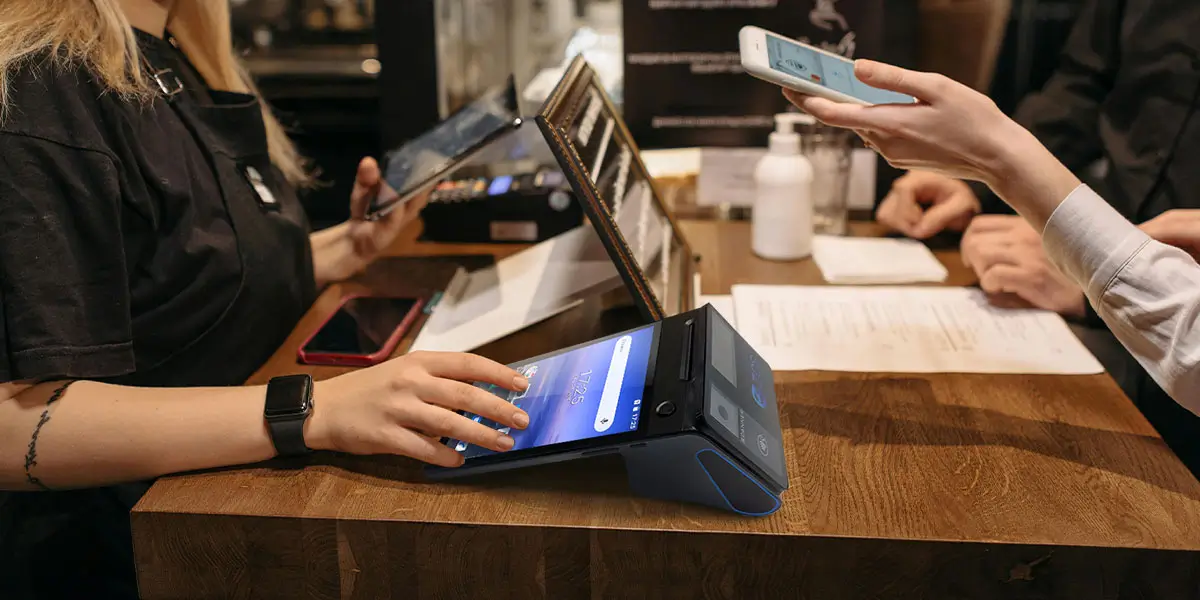
A clear requirement sheet prevents suppliers from quoting different products under similar descriptions. The document should describe the business model, device role, destination markets and expected annual volume before listing individual specifications.
Start with these project questions:
The project should also name the party responsible for payment integration, application support, device management and merchant onboarding. A pure-hardware supplier can provide flexible Android equipment, but it does not replace the buyer’s acquirer, payment processor or software platform.
A request for quotation should force every supplier to answer the same commercial and technical fields. A short email asking for the “best factory price” usually produces prices that cannot be compared.
The RFQ should identify:
Every option should become a separate SKU when it changes cost, firmware, certification or field service. A single quotation line covering several configurations creates ambiguity at purchase-order stage.
POS hardware becomes deployable only after the buyer’s software can control its peripherals. The RFQ should list the required SDK libraries, API documentation, sample applications, printer commands, scanner behavior, NFC modes and supported Android versions.
Ask for the SDK version and release history before sample approval. The buyer should also define application installation, signing, kiosk mode, boot behavior, OTA updates and recovery after a failed upgrade.
Require each supplier to state:
A quotation should also state whether tax, customs clearance, insurance and destination delivery are included. A low EXW unit price and a DDP delivered price measure different responsibilities.
POS terminal MOQ is the minimum quantity a supplier will accept for a specific product or customization. It is not one universal number for the entire factory.
MOQ can come from several sources:
The effective project MOQ is usually the highest minimum created by the selected configuration. A standard product with a stock enclosure can therefore have a lower minimum than the same terminal with a new color, private carton and dedicated hardware option.
Buyers should request separate minimums for samples, pilots, standard production, customization and spare parts. The existing POS OEM and ODM guide explains how tooling, engineering validation and production validation change MOQ and lead time when the project moves beyond a standard wholesale configuration.
MOQ negotiation works best when it addresses the source of the minimum. Standard packaging can remove a custom-carton constraint. A larger material commitment released across several production batches can reduce finished-goods inventory. A shared firmware build can avoid maintaining a dedicated software branch.
Wholesale price comparison should use total deployed cost rather than the first unit price. The comparison period should cover initial purchase, rollout, support and a reasonable operating lifecycle.
Use this structure:
| Cost category | Items to include |
|---|---|
| Hardware | Terminal, options, battery, charger, dock and accessories |
| Engineering | SDK integration, firmware changes, branding and test fixtures |
| Compliance | Product testing, certificates, application approval and renewals |
| Production | Samples, pilot losses, inspection and packaging |
| Logistics | Export packaging, freight, insurance, customs and local delivery |
| Deployment | Enrollment, configuration, app installation and site setup |
| Lifecycle | Warranty, repairs, spare pool, batteries, printer parts and updates |
Price breaks should use identical configurations and delivery terms. A quote for 1,000 standard terminals should not be compared with another quote for 1,000 branded terminals that includes custom packaging, GMS, a charging dock and destination freight.
Currency and validity also matter. Component and freight prices can change between quotation and purchase order. The commercial agreement should say how long the price remains valid and which events permit a revision.
Payment certification must match the job the terminal will perform. A non-payment Android POS used for orders and printing does not need the same approval package as a device that captures card data and PINs.
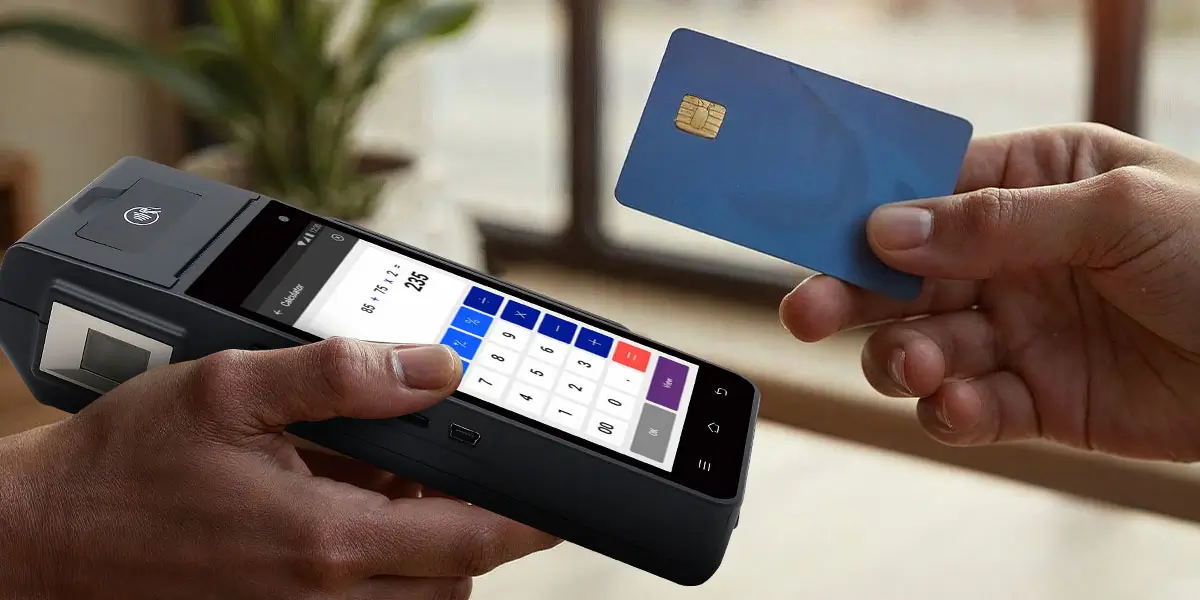
PCI PTS covers physical and logical security for point-of-interaction devices such as PIN entry devices and unattended payment terminals. PCI Security Standards Council maintains an approved PTS device list with device identities and approval status.
The buyer should match the quoted model, hardware version, firmware and approval expiry against the listing. A supplier brochure that says “PCI certified” without an exact record is not enough for a payment deployment.
PCI PTS approval also does not make the merchant’s complete environment automatically compliant. Applications, remote access, terminal management and connected systems still affect payment-data protection.
EMV Level 1 evaluates the reader’s mechanical, electrical and communication behavior. EMV Level 2 evaluates the payment kernel that processes EMV functions. Contact and contactless interfaces can have separate approval paths.
EMVCo’s contactless approval process shows the formal sequence: provider registration, recognized-laboratory testing, report evaluation and a Letter of Approval for a conforming product.
The wholesale buyer should request the approval number, product name, applicant, version, issue date, expiry date and supported configuration. The acquiring bank or payment partner should confirm whether additional scheme, application or local approvals are required.
CE, FCC, RoHS, local radio approvals and electrical-safety requirements address different regulatory areas. They are not substitutes for PCI or EMV approval.
The buyer should map every destination country to its required documents before choosing cellular bands, Wi-Fi modules, power adapters and labels. A product sold legally in one market may need another radio variant or importer record in another.
Samples prove basic suitability. They do not prove that a factory can reproduce the same configuration across a bulk order.
Record these identifiers when the sample arrives:
The pilot should then test the real application, network, peripherals and device-management process. It should include printing under load, weak connectivity, battery charging, app recovery, factory reset, OTA failure and repeated scanner or card-reader use.
Production approval should freeze the accepted bill of materials, software image, packaging and test criteria. The purchase agreement should require advance notice and buyer approval before a component, firmware, radio, enclosure or accessory changes.
Bulk POS terminals need checks at component, assembly and finished-product stages. A final cosmetic inspection alone cannot find unstable firmware, intermittent ports or incorrect regional configurations.
A practical acceptance plan covers:
The buyer should define the sample size, defect classes and acceptance criteria before inspection. Critical payment-security or configuration errors should not be averaged together with minor cosmetic defects.

The purchase order should state an Incoterm and a named place, such as FCA Shenzhen or DAP a named destination. ICC explains that Incoterms 2020 allocate costs, risk and obligations between buyer and seller, but do not replace the sales contract.
The contract still needs product specifications, payment terms, inspection rights, warranty, intellectual-property terms and remedies for late or nonconforming delivery.
Battery-powered POS terminals also require transport documentation. IATA’s 2026 lithium battery guidance states that lithium cell and battery types must pass the applicable UN 38.3 tests for transport. Freight mode, battery energy, packing configuration and carrier rules determine the required marks and documents.
The supplier should provide the commercial invoice, packing list, certificate of origin when needed, compliance documents, battery test summary and shipment labels agreed for the destination.
Warranty terms should explain the process, not just the duration. Define where failed units are sent, who pays each freight leg, repair turnaround, replacement criteria and how data is handled on returned devices.
A field spare pool keeps stores operating while failures are diagnosed. The right percentage depends on deployment size, repair location, device criticality and replacement time. Batteries, printers, charging docks and cables may need separate stocking plans.
Android support also needs dates. Record the shipping version, security-update plan, supported SDK releases and the process for urgent fixes. For large fleets, TMS or MDM functions should cover device enrollment, application deployment, configuration, status monitoring and controlled OTA updates.
ZCS fits wholesale projects that need Android POS hardware without a mandatory bundled acquiring service. Software vendors, distributors and enterprise buyers can integrate their own applications and payment relationships through an open hardware and SDK model.
The product range supports several wholesale configurations:
ZCS also supports GMS on selected configurations, TMS fleet management, open SDK integration and OEM/ODM customization. The wholesale quotation should identify the exact model, memory, Android build, payment modules, certifications, accessories and destination market so that pricing and approval scope remain aligned.
The best POS wholesale offer is the one that remains clear from quotation through field deployment. A strong offer links the unit price to one exact configuration, explains every MOQ, proves the required certifications and preserves the approved hardware and software during production.
Buyers should compare total deployed cost, not a headline factory price. Samples, pilot testing, production inspection, logistics and lifecycle support turn a low-risk quotation into a reliable bulk purchase.

POS wholesale means purchasing point-of-sale terminals in bulk for resale, software deployment, payment projects or multi-location operations. Wholesale terms commonly include volume pricing, MOQ, production lead time and commercial support.
There is no universal MOQ. The minimum depends on the standard product, component purchasing, customization, packaging, firmware, certification work and production setup.
Samples spread setup, handling and support across one or a few units. Wholesale prices distribute those costs across a larger production quantity.
No. PCI PTS is relevant to devices that capture payment-card data or PINs within its scope. An Android terminal used only for ordering, inventory or printing has a different security and compliance profile.
EMV Level 1 tests the reader interface and communication behavior. EMV Level 2 tests the payment kernel that implements EMV transaction functions.
No. A production-representative pilot should confirm application integration, hardware stability, device management, updates and recovery before mass production.
The right Incoterm depends on who should control export, freight, insurance, import clearance and final delivery. The purchase order should state both the selected rule and the named place.
Include the exact configuration, price, MOQ, payment schedule, lead time, inspection criteria, certificates, change control, warranty, spare parts, software support, Incoterm and remedies for nonconforming delivery.







 Home
 How BOPIS Connects Online Orders, Store Inventory, Payments and Pickup?

