
2026-10-20 Author : ZCS
One POS terminal can support multiple acquirers when the complete payment deployment supports those routes. Yuno’s September launch brings that proposition to physical checkout, but an Android operating system or change of hardware brand cannot establish the required acquiring connections. The full-stack Android POS guide provides the broader hardware and integration context.
Multi-acquirer procurement should verify a production configuration rather than a slogan. The relevant evidence covers the terminal, payment application, security configuration, connected hosts, merchant accounts and transaction lifecycle. The recommendations below are a buyer’s evaluation framework, not undocumented claims about Yuno or any terminal manufacturer.
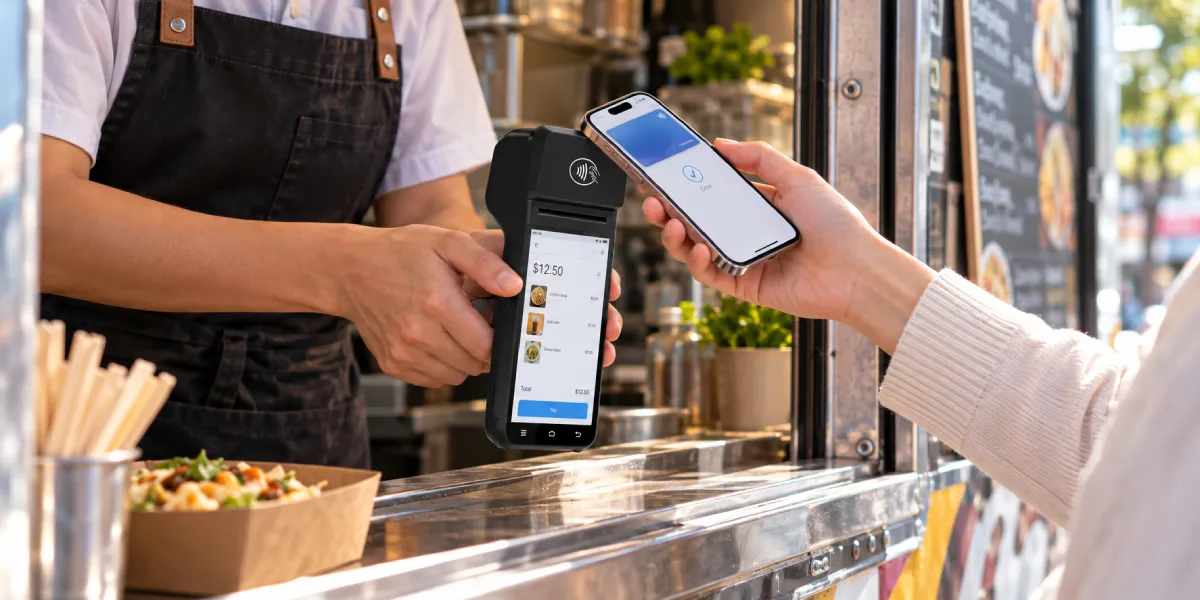
Yuno announced In-Person Payments on September 29, 2026. The company describes routing across connected acquirers on compatible terminals, with merchant priorities including cost, approval performance and availability. The release also describes unified reporting and reconciliation for supported online and in-store payments.
The compatibility boundary is essential to the announcement. A platform-level connection count or geographic footprint does not identify every supported in-store combination. Buyers need the actual terminal model, application, country, acquirer and transaction types. The release does not provide a complete matrix or an implementation specification for unknown-result recovery.
The launch supports a procurement question, not a universal terminal capability claim. A prospective deployment should ask which existing equipment can be reused, what configuration must change and who approves production activation. Automatic routing described by a provider should be demonstrated under the buyer’s supported conditions. That evaluation should start with the supported scope described in the Yuno In-Person Payments announcement, published in September 2026.
Multi-acquirer terminology can describe different levels of flexibility. Running two payment applications, migrating a terminal to another provider and dynamically selecting an acquiring route are different capabilities. A request for quotation should state which behavior the merchant needs.
The operational definition should cover the payment path as well as the device.
A multi-acquirer POS deployment enables a supported terminal and payment stack to use more than one acquiring route under configured merchant rules. Each route requires compatible software, security arrangements, merchant activation and transaction support. Open Android access alone does not establish acquiring portability or dynamic payment orchestration.
That definition gives buyers a way to distinguish a demonstrable route from an application that merely installs successfully.
| Capability | What the buyer gets | What remains unproven |
|---|---|---|
| Multiple payment applications | More than one supported application on a device | Automatic routing, shared recovery and unified operations |
| Acquirer portability | A controlled migration to another payment arrangement | Immediate switching without reconfiguration |
| Multi-acquirer orchestration | Selection among supported, activated acquiring routes | Universal connectivity or safe retries after every failure |
Multiple payment methods are also different from multiple acquirers. A terminal may accept cards and QR wallets through one service arrangement. Conversely, two acquiring routes may support the same card network. The specification should identify the provider, transaction type and commercial account behind each option.
Acquiring restrictions can sit outside the terminal manufacturer. Rental terms, reseller permissions, payment application ownership, signing rights and merchant agreements can be controlled by different organizations. Replacing the enclosure can preserve the same application or commercial constraint.
A PAX replacement project should identify the restriction before choosing another device. The PAX alternatives for payment projects guide evaluates that wider migration. A merchant seeking a second acquirer needs confirmation that the proposed software, security services and acquiring contracts permit the additional route, regardless of which brand supplies the hardware.
Open application access is useful but limited evidence. An ISV may be allowed to deploy its business application while protected payment functions remain controlled by the payment provider. Application installation rights do not necessarily include access to payment credentials, secure PIN operations, production host settings or key-management services.
Remaining on the current hardware is a valid comparison case. A revised payment application or provider arrangement might deliver the desired routes without replacing the estate. A hardware migration becomes justified when the supported functionality, lifecycle or operating economics warrant its development, testing and rollout cost.
A responsibility matrix makes acquiring flexibility reviewable. The buyer should assign an owner to every layer and request evidence of the permissions, services and interfaces needed for the proposed routes. Organizational boundaries can vary; one provider may operate several layers.
| Layer | Typical control | Evidence to request |
|---|---|---|
| Terminal and firmware | Device security, OS, application permissions and interfaces | Exact model, revisions and production permissions |
| Payment application and kernel | Card interaction, transaction flow and host messages | Supported versions, interfaces and configuration scope |
| Keys and security services | Provisioning, authorized use, rotation and revocation | Responsible entities and controlled procedures |
| Gateway or orchestration | Route selection, provider connectors and transaction records | Supported routes, state model and recovery contract |
| Acquirer or processor | Merchant activation, host acceptance and processing arrangements | Onboarding, MID/TID mapping and production confirmation |
| Merchant operations | Store profiles, refund authority and reconciliation | Access roles, configuration records and incident ownership |
A gateway connector does not create an activated merchant account. Each proposed route needs the correct commercial arrangement and merchant configuration, whether supplied directly by an acquirer or through an intermediary. The provider should explain who owns the merchant relationship and how settlement and support operate.
A peripheral SDK does not implement the acquiring relationship. Printing, scanning and display APIs help a business application operate the device. Payment routing additionally needs supported transaction APIs, security controls and host integration. The buyer should ask the supplier to identify which interfaces belong to business peripherals and which are controlled payment services.
Payment keys need a defined owner and permitted use. A buyer should ask who provisions the device, which secure services each route uses and how a provider change affects the configuration. The architecture might use separate key domains or managed security services; identical keys across acquirers must not be assumed.
Key provisioning belongs inside the approved security process. Commercial control of an Android device does not authorize copying keys, exposing sensitive credentials to the business application or bypassing protected services. The project needs documented provisioning, replacement, revocation and incident procedures for the selected architecture.
PCI PIN security addresses the secure management, processing and transmission of PIN data. The PCI SSC PIN Security standard is relevant when the deployment handles PIN transactions. Buyers should have the payment provider identify the applicable requirements and responsible parties rather than infer compliance from hardware ownership or general Android management capabilities.
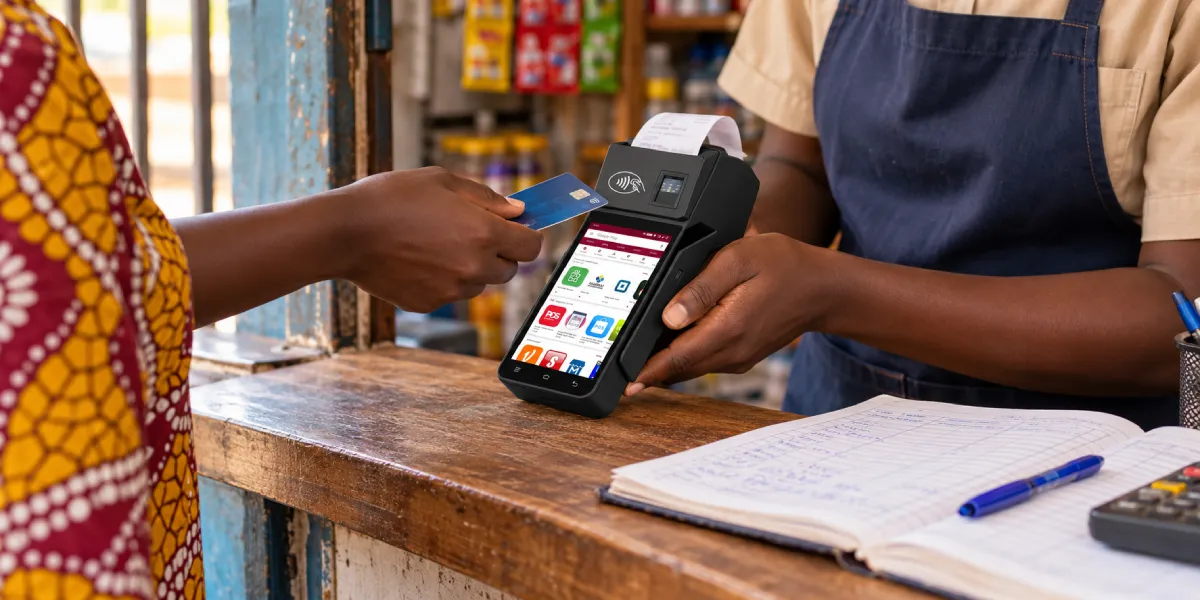
Compatibility should be recorded as a matrix of actual deployment combinations. At minimum, identify country, acquirer or processor, terminal model, firmware, payment application, acceptance method and transaction type. A route supported on one model or in one market does not establish support elsewhere.
The supplier’s evidence should answer these questions:
Payment approvals address different layers. The review should distinguish device security and card-interface evidence from broader deployment questions. A family-level certificate or one working purchase cannot establish that every acquiring route is ready.
Change assessment should be explicit rather than automatic. Adding a host, changing a payment application or revising firmware can affect the validation needed. The provider should identify what remains reusable and what needs further review; buyers should assume neither that every change is covered nor that every change requires a complete retest.
EMV Level 3 testing concerns terminal integration with the acceptance infrastructure. Under the EMVCo Level 3 framework, participating payment systems define testing policies and cases, while EMVCo standardizes and qualifies test tools. The project should obtain the relevant acquirer and payment-system requirements for each proposed path.
Choosing a route before submission is different from retrying a transaction with an unknown outcome. Consider a purchase sent to acquirer A. The terminal times out before receiving a result. The missing response does not prove that A rejected the transaction or that the issuer never approved it.
A second attempt through B can create a second financial event. The original authorization may remain active or produce a late response. The payment stack needs a documented recovery policy covering status checks, reversals, expiry and permitted retries, including situations where staff cannot immediately obtain a definitive answer.
The recovery boundary is more important than a generic failover claim.
Multi-acquirer failover must distinguish an unavailable route before submission from an unknown result after submission. A timeout does not prove that an authorization failed. Recovery must follow the payment provider’s status, reversal and retry rules; a second acquirer cannot independently establish the first acquirer’s final transaction state.
For the cashier, that means the application must present an actionable state and recovery instruction rather than invite repeated card taps without control.
| Observed state | Appropriate decision basis |
|---|---|
| A is unavailable before submission | Select a supported B route under approved rules |
| A returns a definitive response | Apply response-specific retry and handling rules |
| A may have accepted the request | Query or reconcile the original attempt and follow recovery rules |
| A returns approval | Continue the approved transaction lifecycle |
| Recovery remains unresolved | Apply the defined exception process and customer guidance |
One merchant order can contain multiple payment attempts. The system should preserve a logical purchase reference, unique attempt identifiers, route decisions and provider references. A single identifier that changes meaning across systems makes duplicate detection and reconciliation harder.
Idempotency has a scope that the provider must define. Repeating a request with the same key can prevent duplicates only where the receiving service enforces that contract. Two independent acquirers do not automatically share a deduplication database, and a local queue cannot prove what an external host accepted.
Network retry behavior needs an application-level contract. The HTTP idempotency and retry rules explain why automatic retries of non-idempotent operations need a basis for knowing they are safe or were not applied. That principle informs API design but does not replace payment-network rules or establish cross-acquirer transaction recovery.
Card-present recovery may require another interaction with the payment instrument. The approved architecture determines whether routing occurs before or within the payment flow and what happens after an interruption. Transaction data created for one attempt must not be treated as universally reusable through another provider.
Retry permission depends on the response and payment context. A technical failure, issuer decline and cardholder cancellation can require different handling. The buyer should request test cases for when the application may retry, when another tap or PIN interaction is required and when the cashier must stop or seek assistance.
A consolidated dashboard does not make settlement identical across acquirers. Different routes can have different settlement accounts, cutoffs, fees, currencies, reserve arrangements and reporting formats. The orchestration record should map those differences to the merchant’s accounting process.
The transaction record should preserve:
A refund should follow the supported path for the original payment. A routing rule that chooses B for new purchases does not establish that B can refund a sale acquired through A. The provider should demonstrate referenced refunds, partial refunds and exceptions appropriate to the merchant’s business.
Late results need financial reconciliation. A transaction completed through B can still produce a late approval or settlement record from A. The operating plan should identify how the platform detects the discrepancy, who applies the permitted correction and how the customer and merchant receive a final answer.
Unified reporting should retain original evidence. A normalized status is useful for operations, but finance and support teams still need the provider-specific references and settlement data behind it. Reconciliation should connect platform records to acquirer reports and actual funds received.

Merchant profiles define which routes a terminal is allowed to use. The configuration should associate the correct legal entity, outlet, currency, merchant account and terminal identifiers. A route working for one store must not be activated for another store by copying credentials without authorization.
Routing changes need staged deployment and audit records. The operator should know who changed a rule, which merchants were affected, when the change took effect and how to restore an approved configuration. The Android POS device management guide covers estate controls, although ordinary device management does not replace protected payment-domain operations.
Cost optimization should use the merchant’s actual economics. A headline merchant discount rate cannot describe every fee, settlement effect or operational cost. Buyers should evaluate agreed pricing alongside acceptance results, refunds, support workload and the cost of unresolved transactions. The comparison needs a defined period and comparable transaction mix.
Platform dependency remains a commercial consideration. Several acquiring connectors behind one orchestration provider can improve choice while leaving application releases, routing access or transaction records dependent on that provider. Contracts should address data export, migration assistance, configuration ownership and historical support after termination.
Disabling a route must preserve its remaining obligations. Historical refunds, disputes, settlement adjustments and reconciliation can continue after new purchases stop. The offboarding procedure should identify retained access, support duration and the party responsible for outstanding transactions.
The RFQ should require evidence for each proposed route. Request the compatibility matrix, application and firmware versions, approval responsibilities, merchant-onboarding process, key-provisioning owner, recovery contract, refund support and settlement mapping. Each material claim should identify the party that will demonstrate it.
| Pilot scenario | Required evidence |
|---|---|
| Supported purchases through A and B | Correct merchant configuration and traceable results |
| A unavailable before submission | B selected only under approved routing rules |
| A processes the request but its response is lost | Original attempt tracked and prescribed recovery applied |
| Terminal restarts during processing | Pending transaction recovered without uncontrolled resubmission |
| Duplicate requests and delayed responses | Consistent logical purchase and attempt records |
| Definitive decline | Allowed and prohibited retries handled correctly |
| Recovery requires another tap or PIN | Clear customer prompts and supported card interaction |
| Late approval from A after an attempt through B | Exception detected, investigated and resolved |
| Refund of a purchase originally acquired through A | Correct original transaction and supported refund path |
| Several stores, MIDs or legal entities | No unauthorized sharing of merchant configurations |
| Platform totals differ from settlement reports | Difference explainable through provider references |
| A route is disabled | Historical refunds and financial support remain available |
Acceptance should cover controllable outcomes rather than invented performance promises. A suitable pilot demonstrates no duplicate charge in the defined tests, traceable unknown states, supported recovery and reconcilable funds. Approval-rate or cost improvements require measured results against an agreed baseline; a routing feature alone cannot establish either benefit.
The buying decision should identify the complete supported arrangement. A multi-acquirer proposal is ready for production review when each route has an activated merchant configuration, verified payment stack, recovery owner and financial operating process. Hardware openness contributes to that arrangement, but the evidence must cover the entire transaction lifecycle.

One POS terminal can support several acquiring routes when the payment application, security configuration, platform and merchant arrangements support them. Buyers should request the exact model, software, country and transaction-type matrix.
Open Android access does not by itself provide acquiring freedom. Production payment applications, secure services, keys, host connections and merchant activation still determine which providers the terminal can use.
Two payment applications do not automatically provide orchestration. Dynamic routing additionally needs controlled route selection, consistent attempt records, recovery rules and an operating process across the supported providers.
A retry depends on the actual transaction state and applicable payment rules. A timeout can conceal approval, so the system must follow its documented recovery process before authorizing another attempt.
Acquiring routes must not be assumed to share keys or merchant configuration. The provider should document the supported security architecture, provisioning responsibilities and authorized merchant mappings.
Unified reporting can consolidate transaction visibility while settlement arrangements remain different. The merchant still needs to reconcile the platform record, each provider’s reports, fees and actual funds received.
Changing from PAX does not automatically change the payment application, keys, acquiring contract or operating permissions. A replacement project should identify the restriction’s owner and verify the proposed payment routes before purchasing new hardware.






 Home
 How AI Ordering Becomes a Validated POS Order and Reaches the Kitchen?

