
2026-01-14 Author : ZCS
Contactless payment adoption has been accelerating rapidly worldwide. According to industry data, contactless transactions accounted for over 43% of all in-store transactions in the U.S. in 2022, and 78% of consumers now prefer contactless payment methods due to convenience and perceived safety. Contactless technology is projected to reach a $203 billion global market value by 2030.
This swift shift has placed increased focus on contactless POS security standards and regulatory compliance like PCI DSS and EMV contactless certification.
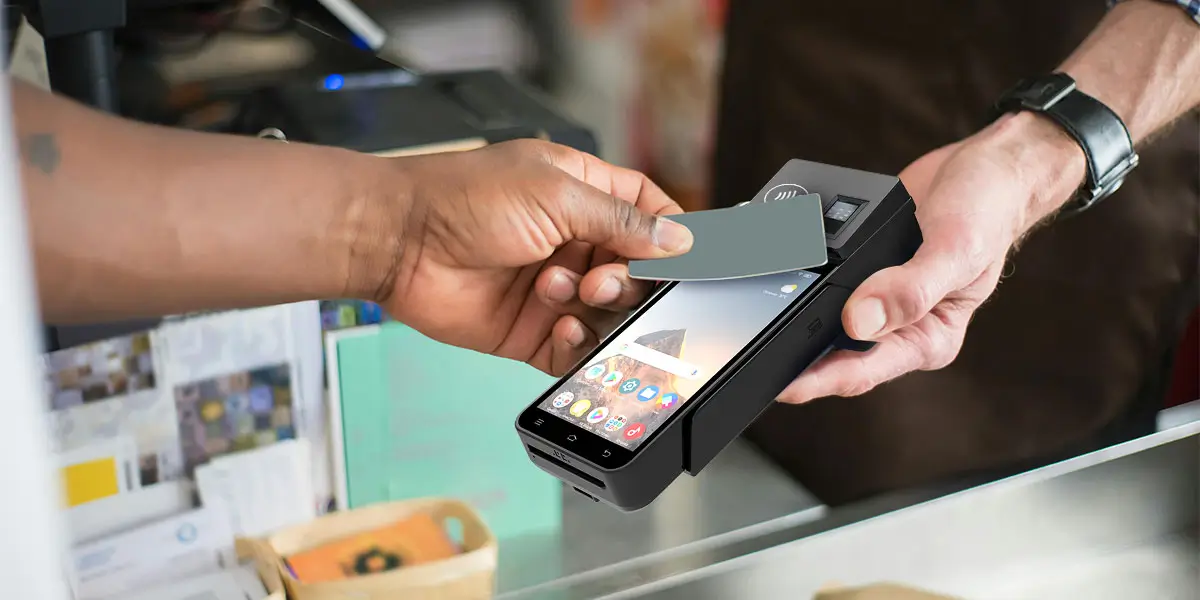
At its core, a contactless payment works via near-field communication (NFC) between a card or mobile device and a POS terminal. Unlike magnetic stripe transactions, contactless systems rely on dynamic authentication and tokenization to protect sensitive data.
The Payment Card Industry Data Security Standard (PCI DSS) is the globally accepted baseline for handling cardholder information securely. Any system that stores, processes, or transmits card data, including contactless POS terminals, must meet the PCI DSS requirements.
In 2019, the PCI SSC introduced the Contactless Payments on COTS (CPoC™) Standard, which provides security and testing requirements for contactless payment acceptance on commercial off-the-shelf (COTS) devices like tablets and smartphones used in merchant environments.
What this means: Merchants must ensure their contactless POS devices and payment software follow the latest PCI CPoC and PCI DSS guidelines to protect payment data end-to-end.
Alongside PCI DSS, contactless systems must comply with EMV standards (Europay, Mastercard, Visa). EMV certification ensures dynamic authentication and cryptographic security that prevents counterfeit card fraud.
EMV specs define how POS terminals communicate with cards via NFC and verify transactions dynamically—essential for mitigating contactless fraud attempts.
Most contactless systems use the ISO/IEC 14443 standard for NFC communication, which ensures interoperability and security across devices and payment networks.This means contactless cards and mobile wallets operate over a secure, globally recognized protocol that significantly reduces risk of unauthorized access.
Even with compliance standards in place, businesses must be vigilant.
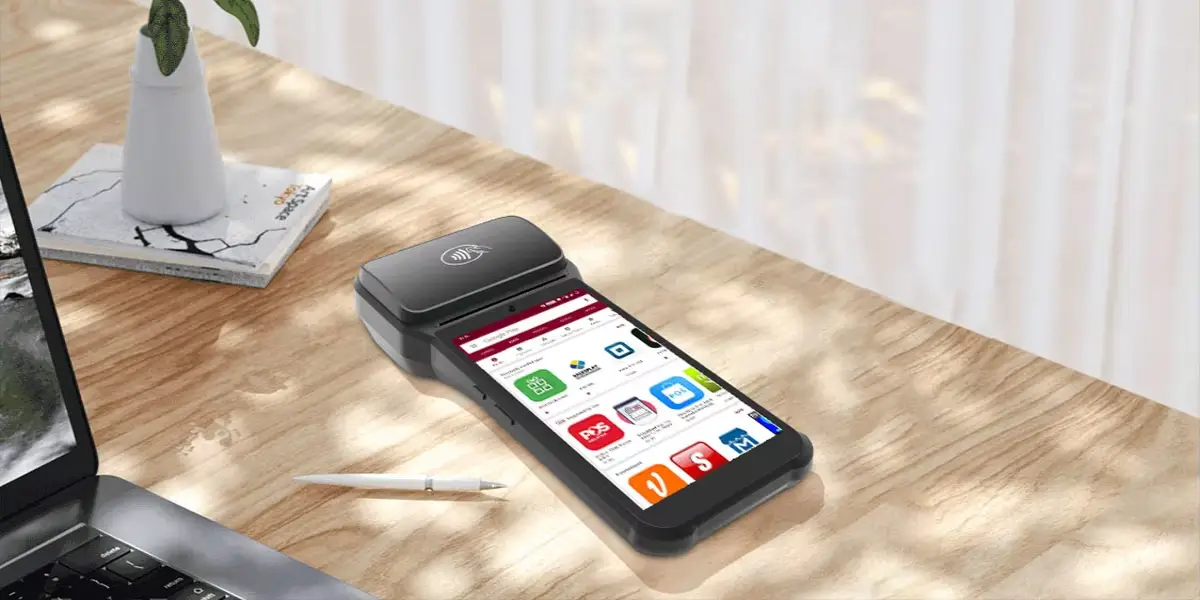
Beyond reducing fraud risk, a compliant contactless POS system fosters customer trust and protects business reputation. Today’s customers expect not only convenience but also robust security assurances from merchants. With frequent compliance audits and evolving standards, partnering with a trusted POS manufacturer is crucial.
As a global POS manufacturer, ZCS integrates advanced security protocols into every contactless POS solution:
Choosing a partner like ZCS helps merchants not just meet compliance—but exceed customer expectations for secure, seamless payment experiences.
Contactless POS payments are very secure when backed by industry standards such as PCI DSS, EMV Contactless Certification, and NFC communication protocols. Dynamic tokenization, encryption, and compliance testing all work together to protect cardholder data and ensure secure transactions.
However, security is not automatic—it requires vigilant implementation and ongoing compliance. Partnering with a reputable POS manufacturer like ZCS ensures your business meets regulatory standards while delivering fast, secure contactless checkout experiences to your customers.
Yes. Contactless payments use tokenization and dynamic encryption to protect transaction data, making them as secure as traditional chip transactions.
Merchants must comply with PCI DSS and ensure POS terminals are EMV certified and support secure NFC protocols.
PCI DSS governs how cardholder data is stored and processed, including encryption, access controls, and testing requirements.
Tokenization replaces real card data with a one-time token that cannot be used outside a single transaction, reducing fraud risk.
ZCS provides fully compliant POS solutions with PCI DSS, EMV, and NFC support, ensuring comprehensive security for contactless transactions.

● Are Handheld POS Devices Right for High-Traffic Stores?
● How to Choose a POS Manufacturer with Open API Support?
● How Android POS Systems Enable Rapid Multi-Payment Expansion?






 Home
Home  What Is an AI-Driven Android POS System and How Can It Benefit My Business?
