
2026-01-12 Author : ZCS
For this ecosystem to work smoothly, companies need robust and scalable POS terminals capable of supporting modern software. This is where ZCS, a global pos manufacturer, plays a significant role by offering AI-ready POS hardware.
Modern businesses don’t just rely on transactions. They rely on information extracted from transactions.
According to McKinsey, data-driven companies are 19 times more likely to be profitable and 23 times more likely to acquire customers.
Source: https://www.mckinsey.com/capabilities/quantumblack/our-insights/the-need-to-lead-in-data-and-analytics
To unlock this value, businesses need:
This is why hardware matters — because AI performance is only as strong as the device powering the software running it.
ZCS provides the first part of that ecosystem:High-performance POS terminals,Android-based POS systems,Dual-screen intelligent POS hardware,Portable POS for retail and food service,Edge-capable processors to support AI apps.
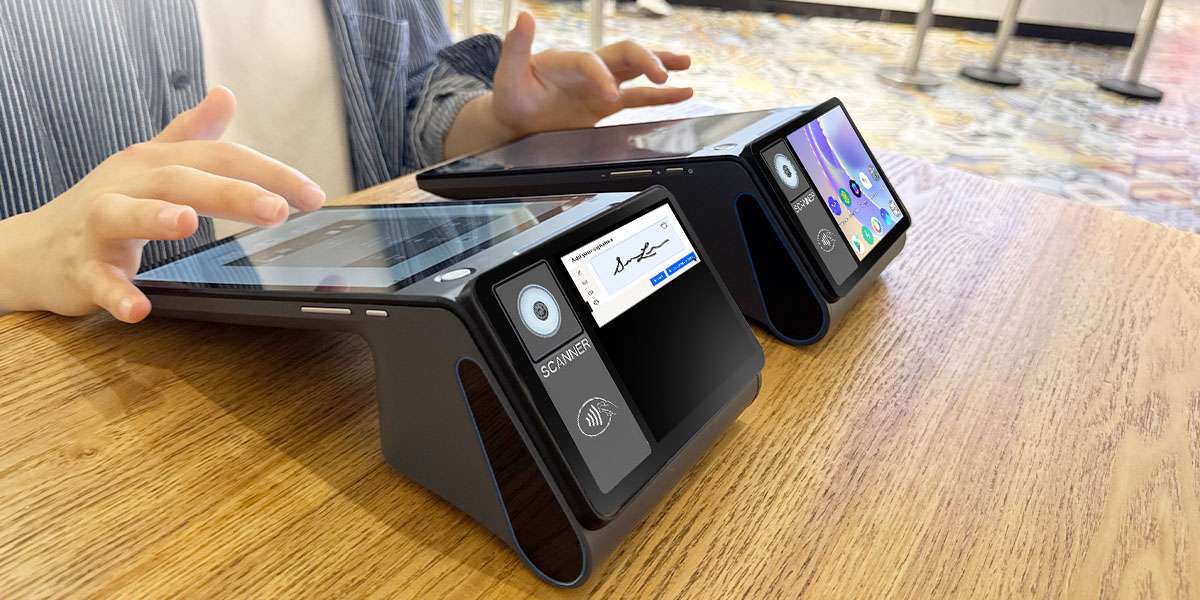
Smart POS hardware alone does not boost revenue. The impact happens when AI tools process the data generated by the POS.
Here’s how the chain works:
Examples:Order data,Item popularity,Purchase frequency,Peak hours,Table turnover,Inventory consumption
These tools may include:Cloud dashboards,Retail business intelligence platforms.Restaurant analytics software.Third-party AI-powered forecasting tools
This produces:Sales predictions,Menu optimization insights,Labor recommendations,Demand forecasting,Customer segmentation
Examples:Remove low-margin menu items,Introduce high-selling combos,Reduce waste,Optimize staff shifts,Launch targeted promotions
Throughout this cycle, powerful POS hardware is essential because:
AI tools require RAM and CPU resources,Real-time analytics require stable processors,Multi-store dashboards require strong connectivity,Dual-screen systems improve workflow efficiency.
Below are common business scenarios where companies use Smart POS hardware alongside analytics tools to increase revenue.
Using POS sales data, AI analytics platforms reveal:High-margin dishes,Low-performing items,Seasonal preferences,Average spend per table
According to Toast’s 2024 Restaurant Trends, menu analytics can improve profitability by up to 20%.
ZCS hardware supports this by:Running Android-based menu apps,Displaying real-time insights on dual screens,Connecting with kitchen printers and KDS systems.
Retail AI tools help predict:Out-of-stock risks,High-demand periods,Slow-moving inventory,Seasonal shifts
Walmart has publicly stated that AI-powered forecasting reduces stockouts significantly.
ZCS supports this through hardware with:High-speed processing,Strong connectivity,Stable long-hour performance
AI analytics tools compare store performance by metrics such as:Revenue by branch,Employee efficiency,Regional demand differences,Customer purchase behavior.
This enables franchise owners to standardize operations.ZCS hardware enables franchise-ready scalability through:Multi-interface connectivity,Cloud-friendly OS,Edge computing capabilities.
Use Case 4: Payment Behavior Monitoring & Security Analytics
Smart POS hardware collects transaction metadata, while AI software flags anomalies such as:
Repeated refunds,Unusual late-night transactions,Suspicious discount patterns,Potential fraud attempts
IBM reported that AI-based automation reduces operational risk by over 30%.
AI software powered by POS data predicts:Peak hours,Staff shortages,Inefficient workflows,This leads to shorter lines, happier customers, and more revenue.
ZCS hardware helps by running queue apps smoothly due to:Strong CPU performance,Android OS flexibility,Peripheral device compatibility.
Although ZCS does not develop AI algorithms or analytics software, it enables businesses to adopt AI technologies by offering high-performance POS devices that support such software.
Industrial-grade hardware stability,Multi-interface expansion (USB, RS232, LAN, Wifi, Bluetooth),Android OS for wide software compatibility,Long lifecycle components,Excellent heat dissipation,Dual-screen optional configurations,Affordable and scalable product lines
These devices are built to support AI-driven analytics platforms without executing AI themselves.
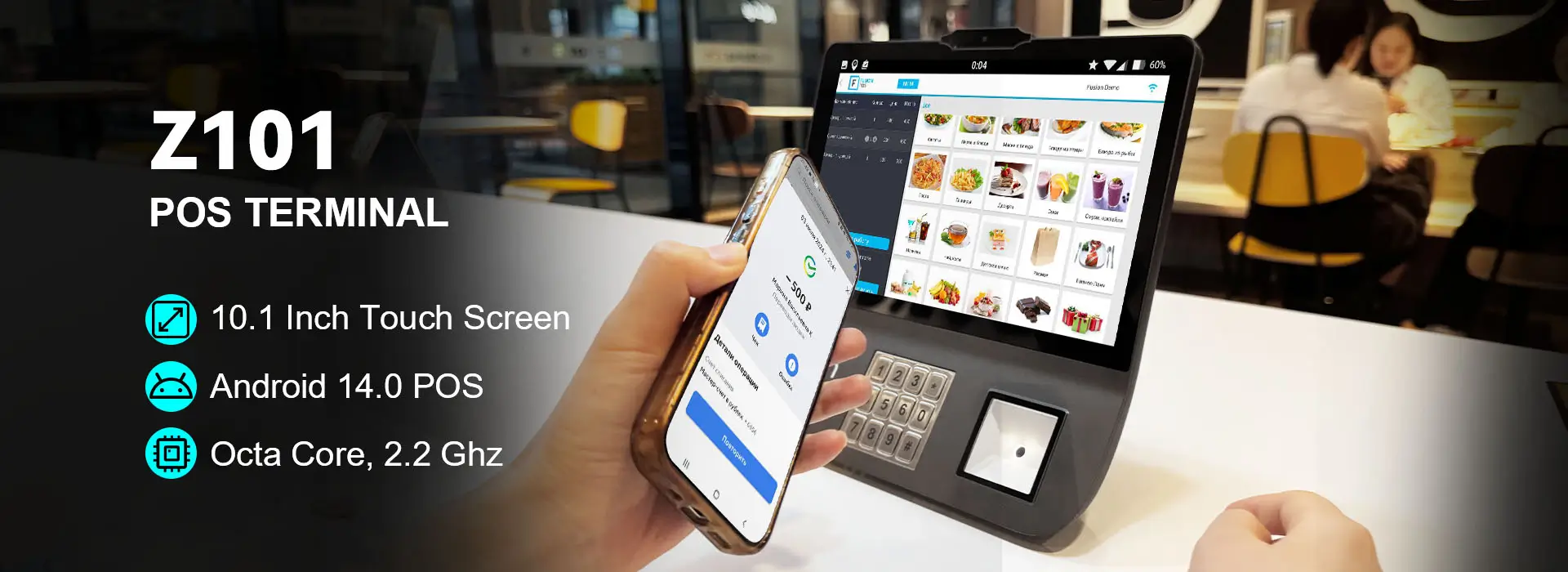
When evaluating POS hardware for future AI adoption, businesses should consider:
Smart POS systems combined with AI analytics offer businesses powerful ways to drive revenue through:
Better decision-making,More accurate forecasts,Reduced waste,Improved customer engagement,Higher operational efficiency
But this ecosystem only works with strong, stable, and scalable POS hardware capable of powering advanced software tools.
This is precisely the value provided by ZCS, a global pos manufacturer delivering AI-ready, future-proof POS devices for retail and food service businesses.

No. Smart POS hardware captures data, but AI analytics require third-party software. POS devices like those from ZCS are AI-ready, meaning they can support AI apps but do not include AI features themselves.
Smart POS systems provide accurate data. When that data is analyzed by AI tools, businesses gain insights into customer behavior, menu performance, staff efficiency, and inventory management — all of which increase profitability.
Most pos manufacturers, including ZCS, provide hardware only. AI-driven analytics come from external software providers or cloud-based retail intelligence platforms.
AI analytics require an Android POS with strong CPU performance, sufficient memory, stable connectivity, and support for cloud-based apps. Devices from ZCS meet these requirements.
Yes. Small restaurants, cafés, shops, and mobile vendors benefit greatly from AI forecasting, automated reporting, and customer insights — all powered by data captured from Smart POS systems.

● Are Handheld POS Devices Right for High-Traffic Stores?
● How to Choose a POS Manufacturer with Open API Support?
● How Android POS Systems Enable Rapid Multi-Payment Expansion?






 Home
Home  What Are the Top 5 Mistakes SMEs Make When Deploying a POS System?
