
2026-06-01 Author : ZCS
Running a successful restaurant isn’t just about good food and great service—having the right tools really makes all the difference. One of those must-haves is definitely a solid POS system software. It helps keep things running smoothly behind the scenes and makes customers’ experiences a lot better, which is super important if you’re trying to stand out in a crowded market. Now, I get it—picking the perfect system can feel pretty overwhelming. The market’s flooded with options, each with their own bells and whistles.
You’ll want to think about stuff like how easy it is to use and whether it plays nicely with your existing setup. Some systems are great for managing inventory, while others are more focused on building customer relationships. The key thing is to really consider what your restaurant needs most. There’s no one-size-fits-all solution here. The best POS system should fit seamlessly into how you work and still have room to grow as you expand.
Getting a good grasp on how powerful a solid POS software can be means better service, happier customers, and hopefully, more sales. It’s not just about ringing up transactions—it’s about leaving a good impression that sticks. Look for options that are reliable, backed by good support, and can keep up with industry changes. Spending a bit of time researching now can really pay off in the long run, trust me.
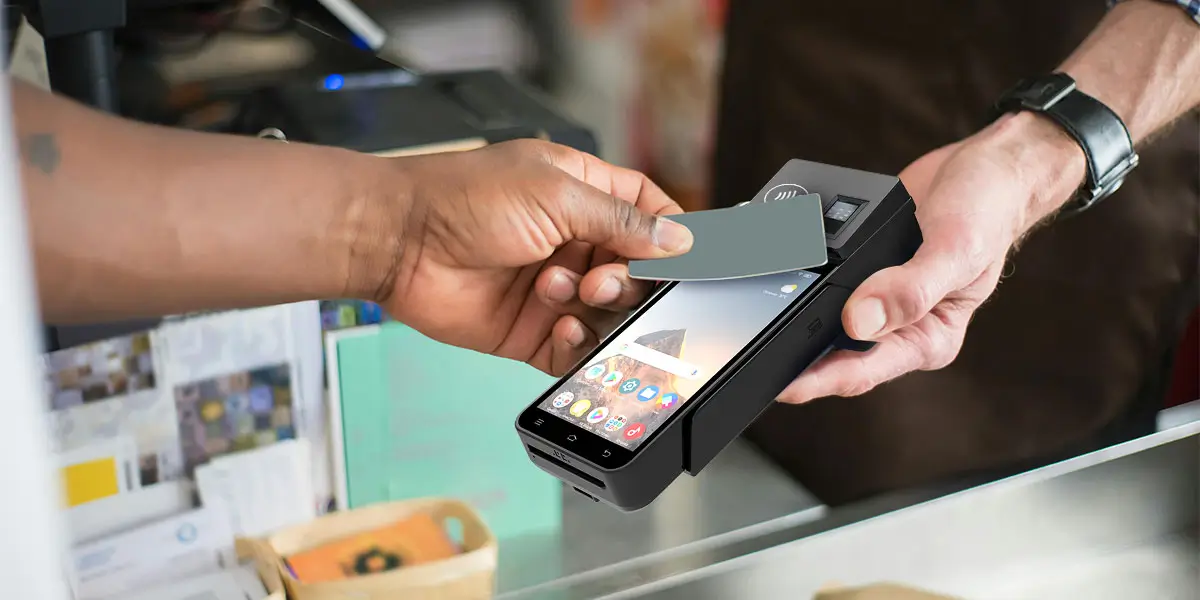
In the competitive restaurant industry, POS systems play a crucial role in streamlining operations. According to a report by the National Restaurant Association, 72% of restaurant owners believe that effective technology is essential for growth. A modern POS system can manage orders, track inventory, and analyze sales in real-time. This data empowers restaurateurs to make informed decisions.
Training staff on a complex POS can be challenging. Some employees may struggle with new technology, causing delays. A survey revealed that 30% of restaurant staff prefer user-friendly systems. Simplifying the interface can enhance employee productivity. Operational efficiency leads to better customer service, which is critical for retention.
Moreover, a solid POS system helps in identifying popular menu items and trends. Utilizing this data can increase profitability. Yet, not every restaurant fully leverages their POS insights. Some fail to analyze historical data, missing opportunities for menu optimization. Emphasizing data analysis can lead to smarter menu choices and improved profits.
An effective POS system is essential for restaurant management. It should streamline operations and enhance customer experience. A user-friendly interface is key. Staff can quickly process orders, reducing wait times.
Consider integrating inventory management features. This allows for real-time tracking of ingredients. It helps minimize waste and ensures popular items are always in stock. Easy reporting tools are another important aspect. They provide insights into sales trends and operational efficiency. This data can guide marketing strategies and menu adjustments.
Tips for selecting a POS system include assessing your specific needs. Think about the size of your restaurant and customer traffic. Check for compatibility with existing systems. Customer support options are also critical. Fast, reliable assistance can save you from potential downtime. Remember, investing in the right technology is a step towards a thriving business.
The implementation of effective POS systems has the potential to significantly enhance restaurant profitability. According to a recent industry report, restaurants that utilize advanced POS solutions see an average revenue increase of 20%. These systems streamline operations, reduce human error, and improve customer service. Features like real-time inventory tracking enable managers to minimize waste and make better purchasing decisions. Additionally, integrating POS data with sales forecasting can aid in identifying trends and optimizing menu offerings.
However, not all restaurants have fully embraced these technologies. Many still rely on outdated systems, resulting in lost opportunities. For instance, nearly 30% of restaurants reported struggles with order accuracy, leading to customer dissatisfaction. This highlights the critical need for adopting reliable POS solutions. With the rise of mobile payment options, restaurants must adapt or risk falling behind. Emphasizing the importance of modernizing operations can lead to considerable improvements in both efficiency and profitability for those who embrace change.
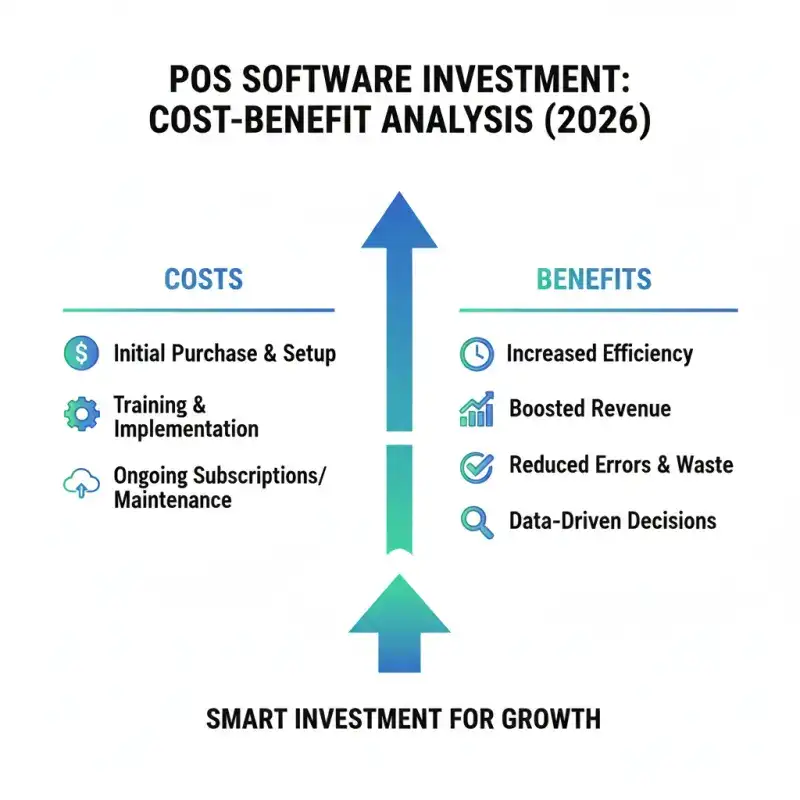
Investing in a Point of Sale (POS) system can seem daunting, particularly for restaurant owners. However, the potential for increased efficiency and revenue is significant. A POS system automates many tasks, reducing errors in orders and speeding up service. This leads to a more streamlined operation. With features like inventory tracking and sales analytics, owners can make informed decisions.
Cost considerations are essential when evaluating POS software. Upfront costs can vary widely. Ongoing fees for maintenance and support must also be factored in. Restaurant owners may face additional costs for training staff on new systems. It’s crucial to assess if the initial investment aligns with the projected return.
However, it's vital to recognize that not all POS systems fit every restaurant. Each establishment has unique needs. Owners should consider their specific workflow and customer interactions. A system that works well for a fast-casual restaurant may not suit a fine dining establishment. Balancing cost and functionality is key. Evaluate options carefully to ensure the best fit for your business model.
As restaurants evolve, so does their technology. By 2026, the landscape of Point of Sale (POS) systems will likely include numerous emerging trends that can significantly impact operations. Cloud-based solutions are gaining traction. These systems provide flexibility, allowing remote management and analysis of operations. A study from XYZ Research indicates that over 70% of restaurants will adopt such technologies to improve efficiency.
Mobile payment options are also transforming the dining experience. According to a recent survey, 65% of customers prefer using mobile wallets instead of traditional checkout methods. This shift highlights a growing expectation for quick and seamless transactions. Additionally, integrating loyalty programs within POS systems is becoming common. Restaurants that utilize data analytics can personalize customer experiences effectively, increasing repeat visits by up to 30%.
However, not all advancements come without challenges. Implementing new systems requires staff training and a transition period, which can disrupt daily operations. Many smaller establishments may hesitate due to the associated costs. This concern is justified, as a Gartner report found that 45% of restaurants cite budgeting as a barrier to adopting new POS technologies. The balance between embracing innovation and managing resources will be crucial in shaping the restaurant industry's future.
The increasing adoption of POS software among restaurants has led to remarkable improvements in operations and customer satisfaction. According to a recent industry report, 80% of restaurants reported enhanced efficiency after integrating a POS system. This technology streamlines ordering and payment processes, which can significantly shorten wait times for diners. Enhanced efficiency can result in a 15% increase in table turnover, leading to higher revenue.
One case study exemplifies this transformation. A mid-sized restaurant implemented a modern POS solution that integrated inventory management. The restaurant reduced food waste by 20%, reflecting improved inventory accuracy. Staff training on the new system took only a few hours. The ease of use led to quicker service and increased customer satisfaction rates. Additionally, surveys showed that diners appreciated the swift payment process, which kept them returning.
Despite the advantages, the transition to POS systems isn't without challenges. Some restaurant owners find the initial setup daunting. Additionally, technical glitches can disrupt service during peak hours, requiring ongoing staff training and support. These hurdles can impact customer experience if not managed effectively. However, those who embrace the change often find themselves reaping substantial benefits. The successful use of POS software demonstrates a clear path for restaurants looking to thrive in a competitive landscape.
In today's competitive restaurant industry, a robust Point of Sale (POS) system is vital for enhancing customer experience. An effective POS system can streamline operations, reduce wait times, and provide valuable insights into customer preferences. According to industry research, restaurants that implement advanced POS solutions can increase their operational efficiency by up to 30%. This translates into a better dining experience for guests, fostering customer loyalty.
One effective tip is to integrate mobile payment options with your POS system. Studies indicate that 70% of customers prefer contactless payments. This feature not only speeds up transactions but also enhances the overall dining experience. Additionally, utilizing customer relationship management tools within the POS can help tailor marketing strategies based on guests' dining habits.
Another critical aspect is staff training. Even the most advanced technology can falter if employees are not well-versed in its features. Make sure your team is comfortable with the system. Regular training sessions can help staff utilize the system efficiently. Reflect on feedback and continuously adapt your processes to meet customer needs, as this can lead to significant improvements in service quality.

Q1. Why are POS systems important in restaurant operations?
POS systems streamline operations by managing orders, tracking inventory, and providing real-time sales analysis.
Q2. What percentage of restaurant staff prefers user-friendly POS systems?
30% of restaurant staff prefer systems that are easy to use.
Q3. How can POS data improve menu choices?
Analyzing POS data helps identify popular items and trends, leading to smarter menu optimization.
Q4. What is a key benefit of cloud-based POS systems?
Cloud-based systems allow for remote management and operational analysis, increasing flexibility.
Q5. How do mobile payment options affect customer experience?
65% of customers now prefer mobile wallets over traditional payment methods for quick transactions.
Q6. What challenge do restaurants face with new POS systems?
Implementing new systems requires staff training, which can disrupt daily operations temporarily.
Q7. How much can table turnover increase with enhanced POS efficiency?
Enhanced efficiency can lead to a 15% increase in table turnover, boosting revenue.
Q8. What was a significant outcome for a restaurant using updated POS technology?
A restaurant reduced food waste by 20% after implementing an integrated POS solution.
Q9. What is a common concern regarding new POS technology adoption?
Budgeting is a barrier for 45% of restaurants considering new POS technology.
Q10. Why might restaurant owners hesitate to adopt new POS systems?
The initial setup can be daunting, and technical issues may arise during busy hours.
Related Posts
1. 2026 Best Restaurant POS Systems for Global Buyers?
2. Top 10 Brands of Restaurant POS System in the World
3. China Best Restaurant Management Software for Enhanced Dining Experience?






 Home
Home  Best POS Systems for Restaurants in 2026: Hardware Comparison for Global Buyers
