
2025-12-15 Author : ZCS
For merchants operating tourism-centric outlets, like duty-free stores and travel retail shops, conventional point-of-sale devices are no longer sufficient. Today’s travelers expect fast, transparent, and localized checkout experiences—whether they speak English, Mandarin, Spanish, Arabic, or any other language, and whether they wish to pay in USD, EUR, CNY, or GBP. This is where multi-language, multi-currency POS systems come into play.
As a leading POS manufacturer, ZCS understands these challenges, and our globally deployed solutions empower tourism and duty-free outlets to meet and exceed customer expectations with localized, efficient, and scalable checkout experiences.
According to the World Tourism Organization, international tourist arrivals hit 1.5 billion in 2019, illustrating the scale and rapid expansion of travel retail markets before the pandemic.
These travelers have diverse backgrounds, languages, and currencies—creating both opportunity and complexity for tourism and duty-free stores. Retailers who fail to offer localized checkout options risk losing sales and dampening visitor satisfaction.
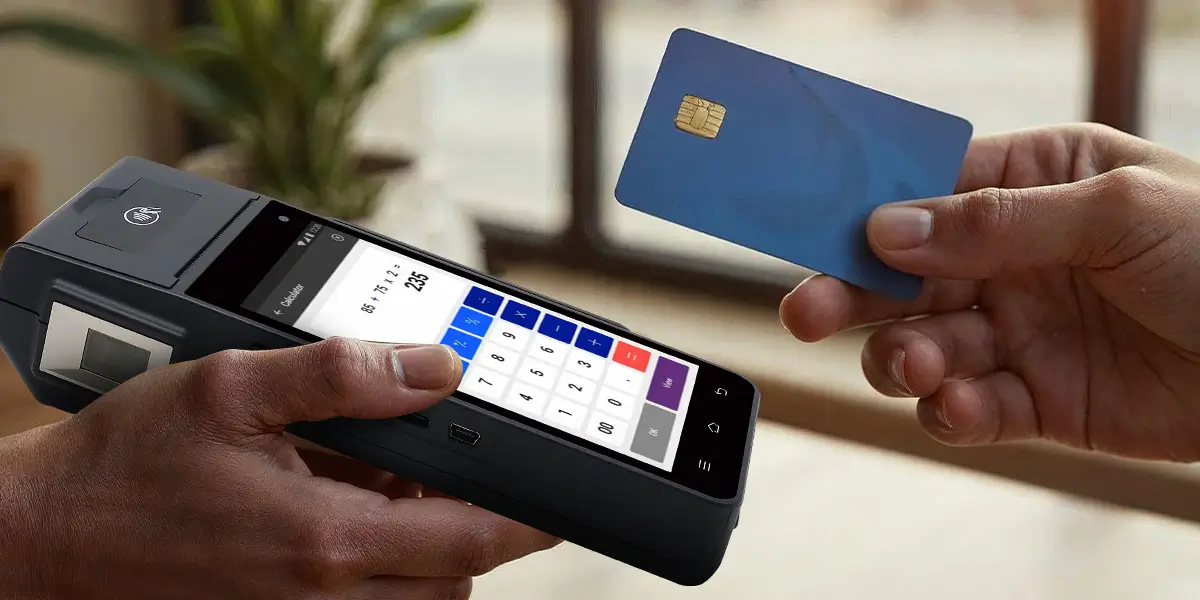
One of the biggest reasons travelers abandon purchases—whether online or in physical stores—is the lack of their preferred payment methods. A study cited by Shopify found that 20% of consumers abandon a purchase if their preferred payment option is unavailable at the point of sale.
This statistic directly translates to brick-and-mortar tourism retail: if visitors can’t pay with their preferred foreign card, digital wallet, or in their own currency, they are far more likely to walk away without completing the sale.
These issues directly impact conversion rates, revenue, and brand reputation—especially in high-traffic, high-diversity tourism environments.
A next-generation POS system tailored for tourism and duty-free stores must include:
These features collectively reduce transaction friction, improving both guest satisfaction and operational efficiency.
Industry examples show that digital transformation—as seen with integrated ERP and retail systems—can improve inventory accuracy by over 99% and boost payment efficiency by up to 60% for travel-centric outlets.
Applying such systems directly to POS infrastructure amplifies these benefits by delivering localized checkout flows and multi-market support in real time.

As an experienced POS manufacturer, ZCS delivers robust platforms that combine multi-language interfaces, multi-currency checkout, and cloud-powered management—enabling retailers to:Accept global payment methods,Display prices in visitors’ native currency,Localize staff and customer experience,Access unified sales analytics and reporting.
By integrating cutting-edge payment versatility with user-centric design, ZCS POS systems help tourism and duty-free operators thrive in an increasingly global marketplace.
Q1. What is a multi-language, multi-currency POS system?
A point-of-sale system that supports multiple languages and currency formats, enabling tourists from different regions to check out easily in their own tongue and currency.
Q2. Why is multi-currency support important for duty-free shops?
It reduces checkout friction, increases conversion rates, and eliminates manual calculations, improving customer satisfaction and retention.
Q3. How does a multilingual POS improve customer experience?
Customers can navigate menus, prices, and receipts in their preferred language, making the checkout feel intuitive and friction-free.
Q4. Do multi-currency POS systems support global payment wallets?
Yes — advanced systems integrate with global gateways and wallets like Visa, Mastercard, Apple Pay, Alipay, and others.
Q5. Can a multi-language, multi-currency POS system help with backend reporting?
Absolutely — they centralize sales data across languages and currencies, enabling better analytics and multi-store management.






 Home
Home  What Are the New POS Security Risks in 2025 — and How Does PCI DSS Protect Your Business?
