2026-01-21 Author : ZCS
As digital commerce accelerates, companies across retail, F&B, hospitality, convenience stores, mobile vendor services, and service-oriented industries are adopting analytics-driven POS systems to transform the way they operate. For businesses seeking long-term stability and revenue expansion, smart POS reporting tools, real-time dashboards, and predictive sales insights are becoming essential assets—not optional upgrades.
This blog explores how Smart POS Data Analytics empowers businesses to make data-driven decisions, introduces blue-ocean keyword concepts like intelligent POS sales data insights and POS data-driven inventory optimization, and explains why partnering with a reliable POS manufacturer such as ZCS can help any enterprise unlock sustained business growth.
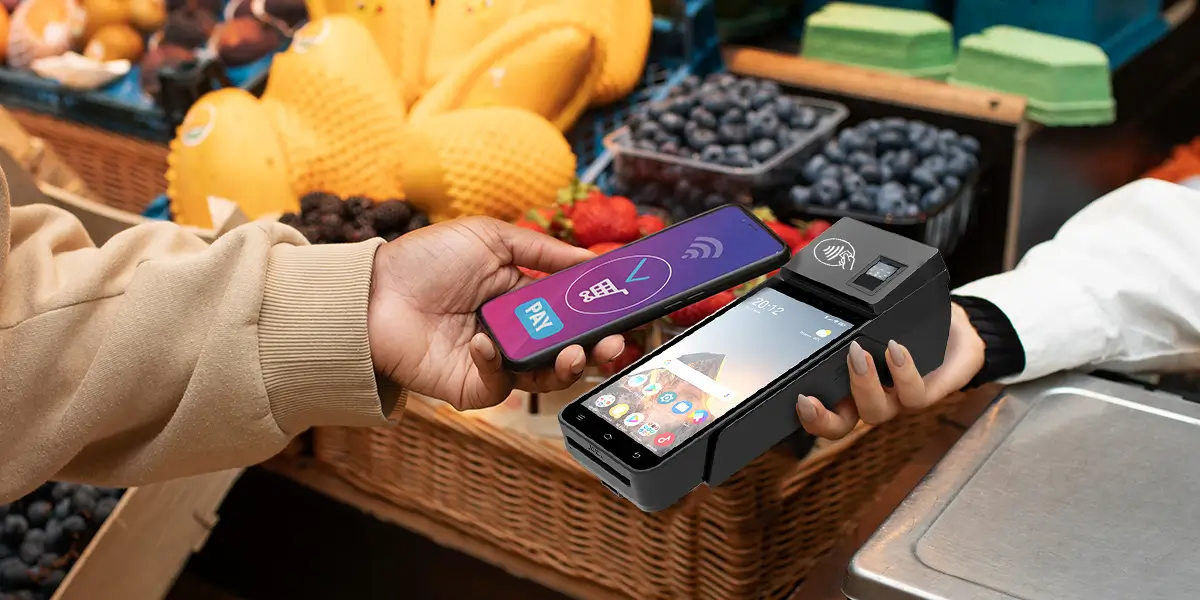
Traditional POS systems record transactions, but smart POS systems do much more. They consolidate data from multiple sources, process it in real time, and convert it into actionable insights. These insights help merchants identify:Fast-selling items and slow movers,Hour-by-hour performance trends,Employee productivity,Customer browsing and purchasing patterns,Promotional effectiveness,Inventory turnover and waste,Profitability by category, store, or channel.
This reinforces the importance of integrating AI-powered POS analytics into daily operations.
2. Key Benefits of Smart POS Data Analytics
Businesses often operate with fragmented information—sales reports in one system, inventory records in another. Smart POS analytics unifies these sources to build a complete picture.
Retailers can track:Best-selling categories,Customer lifetime value,Average ticket size,Hourly performance spikes,Conversion rate per store location,Demand fluctuations across seasons.This allows managers to take proactive actions instead of reactive responses.
Smart POS systems provide insights as transactions occur, enabling adjustments on the same day—not weeks later. This is particularly valuable in:
Restaurants monitoring wait times,Grocery stores tracking inventory depletion,Beauty salons reviewing staff performance,Convenience stores analyzing peak hours.
Real-time POS dashboards become a powerful tool for growth forecasting and quick action.
Stockouts and overstocking cost billions annually. Smart POS analytics helps prevent both by predicting demand and generating data-driven replenishment recommendations.
Common insights include:SKU-level turnover rates,Inventory aging,Purchasing frequency,Seasonal patterns,Supplier lead times.
Integrating this blue-ocean keyword concept—POS data-driven inventory optimization—improves ROI and eliminates unnecessary storage costs.
For brands operating multiple locations, consolidated analytics is essential. Smart POS systems allow the business to compare:Store-by-store performance,Customer demographics by region,Product preferences per location,Staff productivity differences,Revenue contribution by channel.
This is especially beneficial for chain restaurants, retail franchises, and supermarkets.
Smart POS data analytics can reveal:Repeat customer rate,Order frequencies,Basket composition,High-value customer groups,Preferred payment methods.
This data strengthens loyalty programs and enhances the in-store experience.
Smart POS analytics unlocks business intelligence POS analysis solutions that drive measurable performance.
The most effective price points,Customer segments most likely to respond,Best channels (in-store, SMS, social, app),Promotional ROI.
This reduces advertising waste and increases conversion.
Smart POS data exposes bottlenecks such as:Long queues,Inefficient staffing schedules,High-waste stock categories,Underperforming products.
With POS analytics, managers can redesign daily operations to reduce losses and maximize revenue.
Choosing the right POS manufacturer determines how effectively your business can leverage smart analytics. ZCS stands out in the global market due to:
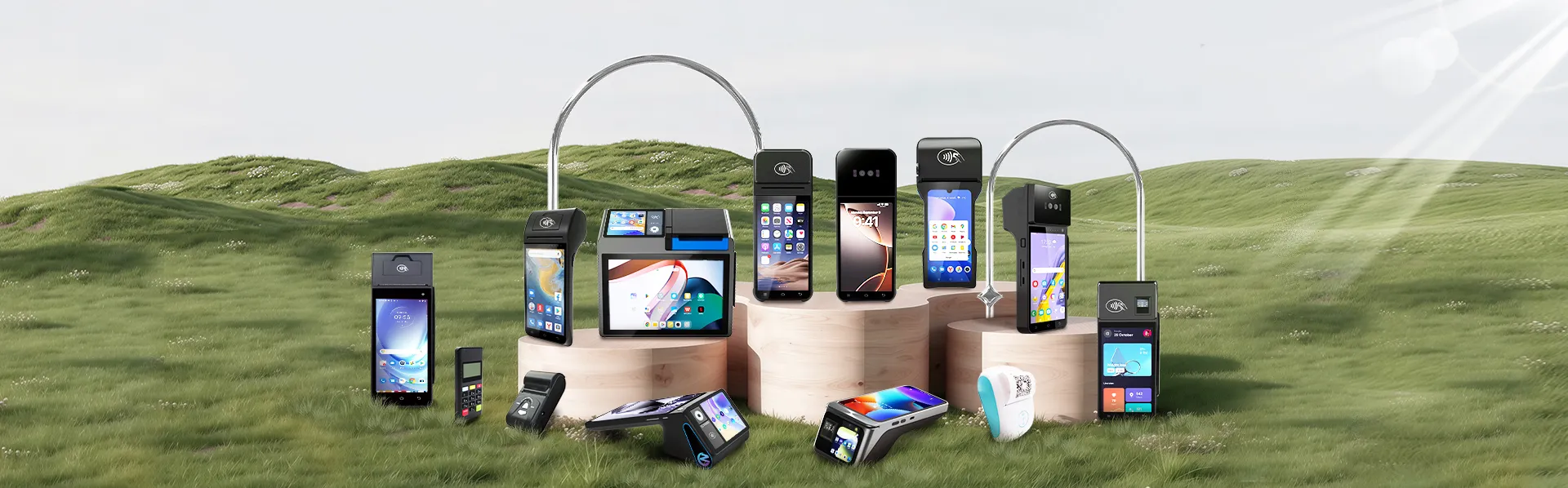
ZCS provides a diverse portfolio including:Android POS terminals,Desktop POS systems,Mobile POS (MPOS),Card readers & Android handhelds,Dual-screen POS models with data visualization capabilities.
These devices are optimized for data-rich business environments.
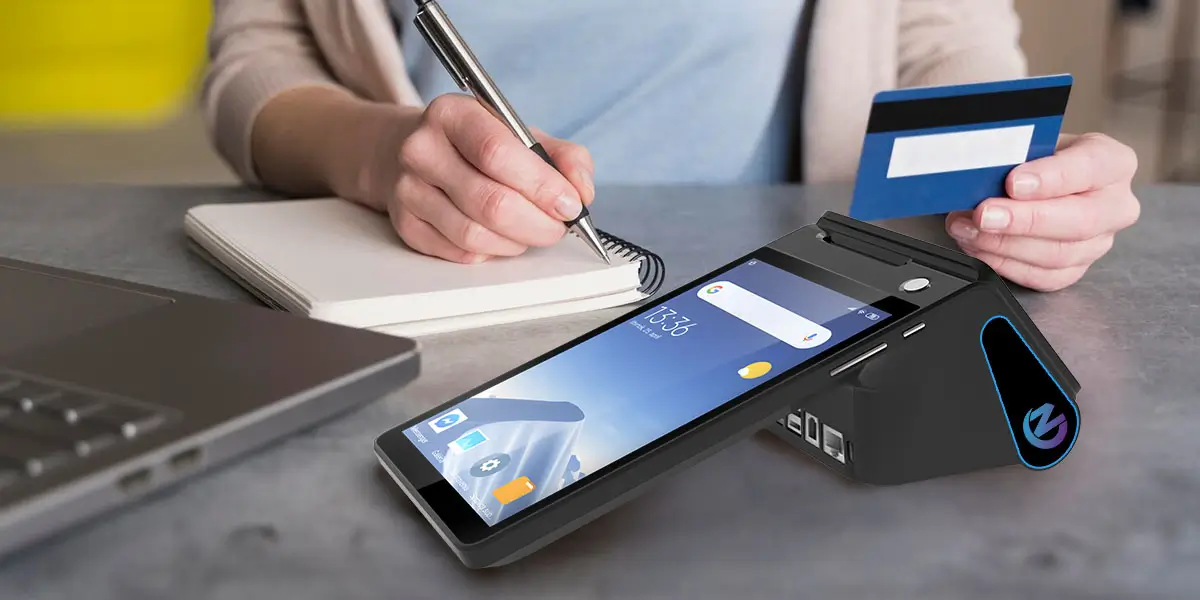
ZCS POS systems support:Real-time sales tracking,Trend visualization,Predictive analytics modules,Multi-store consolidated reporting,Cloud-based insights accessible from anywhere.
4.3 High Compatibility with Industry Software
ZCS terminals integrate with:Retail management systems,Restaurant ordering and delivery apps,ERP systems,Inventory platforms,Payment processors.
This ensures an easy transition to data-driven transformation.
The next decade belongs to businesses that adopt intelligent, data-powered POS ecosystems.

Smart POS data analytics refers to using POS systems to gather and analyze real-time sales, customer, and operational data. It helps businesses make strategic decisions for growth.
POS analytics identifies trends, inventory gaps, peak sales hours, and customer behavior. These insights help improve marketing strategy, inventory planning, and operational efficiency.
Yes. Small businesses benefit the most because analytics exposes growth opportunities, reduces waste, and improves decision-making with limited resources.
Look for real-time reporting, cloud dashboards, multi-store support, hardware reliability, and seamless software integration—features offered by ZCS POS systems.
Real-time analysis prevents delays in decision-making. Businesses can adjust pricing, staffing, and marketing instantly based on up-to-the-minute performance.

● Are Handheld POS Devices Right for High-Traffic Stores?
● How to Choose a POS Manufacturer with Open API Support?
● How Android POS Systems Enable Rapid Multi-Payment Expansion?






 Home
Home  When Choosing a POS Terminal, What Matters More: Hardware Power, Software Compatibility, or Scalability?
