
2026-01-29 Author : ZCS
Essential Features of a Multilingual Android POS for ASEAN Retail
As a leading POS manufacturer, ZCS is continually developing solutions designed for ASEAN retail and hospitality environments.
This guide provides a complete breakdown of how multilingual Android POS systems work in the Philippines and SEA—covering local language setup, peso VAT configuration, ASEAN e-wallet compatibility, multi-currency checkout, and deployment strategies for multi-branch retailers.
1. Why Multilingual POS Systems Are Critical in the Philippines & Southeast Asia?
Southeast Asia is one of the world’s most diverse linguistic markets. According to Ethnologue, the Philippines alone has 187 active languages (Source: https://www.ethnologue.com). Thailand, Malaysia, Indonesia, and Vietnam also operate in multilingual retail environments.
In this region, one-size-fits-all POS software falls short. Shoppers expect:
A local language interface
Support for local currency (PHP, THB, VND, IDR, MYR)
Compatibility with regional e-wallets
Tax-compliant receipts
Fast configuration for multi-branch retail chains
A multilingual Android POS terminal therefore helps retailers expand across ASEAN without friction. Businesses that support language flexibility enjoy higher customer loyalty. According to Harvard Business Review, customers are “72% more likely to buy a product when information is presented in their native language.”
(Source: https://hbr.org/2012/08/why-your-global-marketing-isnt)
Different countries require varied localization features:
A multilingual POS system must unify all these without requiring separate software for each country.
Below are the core technical requirements for an effective multilingual android pos terminal for southeast asia.
POS menus, buttons, cart operations, tax fields, and product attributes must support:Tagalog,Thai,Vietnamese,Bahasa Indonesia,Khmer,Burmese.
ZCS Android POS systems include dynamic language switching, allowing employees to tap once and instantly change UI language—ideal for multinational retail staff.
Retailers in coastal or tourist areas need prices displayed in different currencies:PHP → Philippine Peso,SGD → Singapore Dollar,HB → Thai Baht,VND → Vietnamese Dong,IDR →Indonesian Rupiah,USD → for foreign tourists.
A blue-ocean keyword integrated naturally here:“multi-currency checkout pos terminal for southeast asia”
Southeast Asia has one of the world’s fastest-growing digital payment markets.
Statista reports that mobile wallet penetration in the Philippines grew 440% from 2019–2023.(Source: https://www.statista.com)
A modern POS must support:Philippines: GCash, Maya, QR PH,Thailand: PromptPay,Indonesia: OVO, Dana, GoPay,Vietnam: Momo,Malaysia: Touch ’n Go.
These local integrations make ZCS devices ideal for ASEAN omnichannel retail.

This section provides a blueprint for end-to-end deployment, ideal for retail chains, restaurants, and micro-businesses.
A reliable POS manufacturer like ZCS ensures:Firmware-level language packs,Country-specific receipt templates,Multi-currency support,Customizable tax logic,Remote cloud updates.
Access POS settings,Choose desired UI language,Test keyboard layouts,Verify product names under different languages.
For multilingual chains, use cloud management to sync language updates across stores.
Each POS must display correct symbols, decimal rules, and rounding formats.
For example:PHP: ₱100.25,VND: No decimals.IDR: Thousand separators.
4.4 Step 4: Apply Country-Specific Tax Rules
Philippines VAT setup example:Enable VAT,Enter 12% tax.Enable BIR-compliant invoice formats.Add business permit numbers.ZCS offers templates for each ASEAN country.
Through API or pre-installed apps, activate:QR PH,GCash,Maya,PromptPay,OVO / Dana / GoPay,TOUCH ’n GO.
4.6 Step 6: Remote Management for Multi-Branch Retail
Cloud dashboards allow:Remote software updates,Syncing multi-language settings.Centralized inventory,Remote troubleshooting.
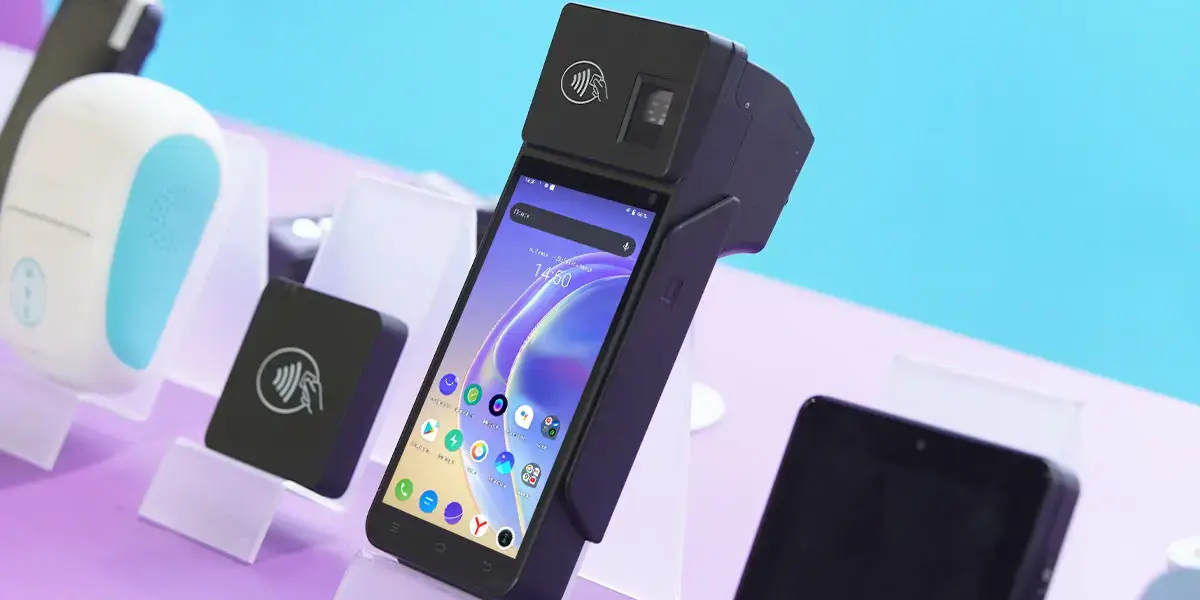
ZCS offers multiple Android-based POS terminals designed specifically for the region:Supports Tagalog, Thai, Vietnamese, Bahasa,Preloaded currency formats,ASEAN tax templates,Compatibility with e-wallets,Lightweight, durable, affordable,Easy cloud deployment.
As an experienced POS manufacturer, ZCS provides customized firmware and OEM/ODM solutions ideal for large retail chains and SME businesses across Asia.
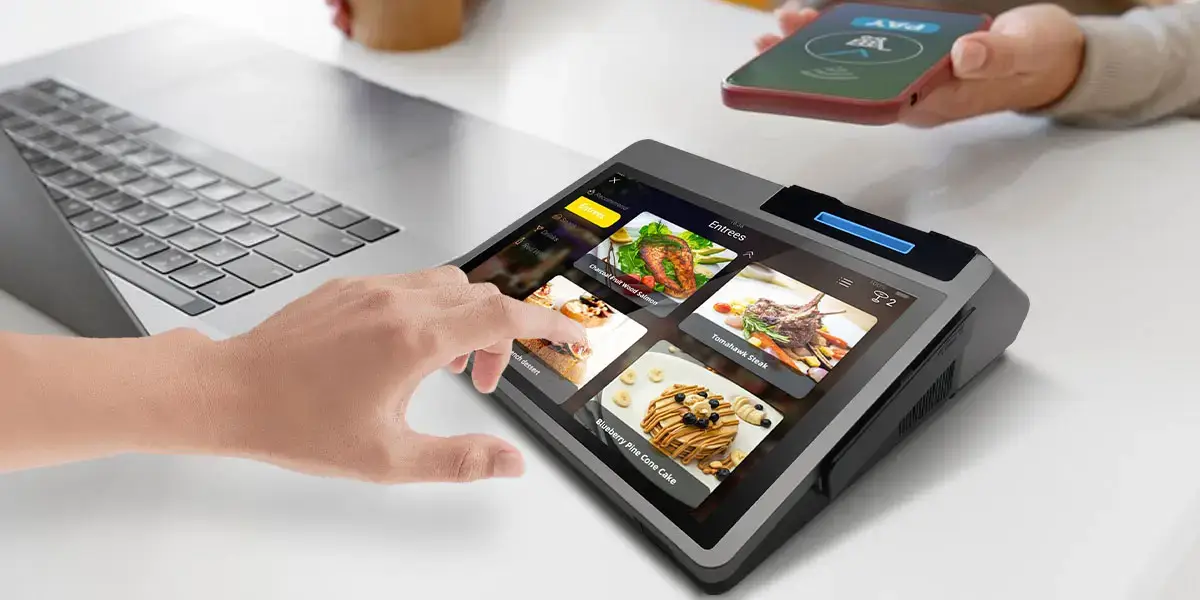
The Philippines and Southeast Asia represent one of the fastest-growing markets for digital payments, multilingual retail, and mobile-first commerce. Multilingual POS systems do more than translate words—they enable businesses to operate across different languages, currencies, tax structures, and mobile wallets.
By leveraging ZCS Android POS terminals with built-in localization tools, retailers can deliver an efficient, culturally adapted customer experience that reduces staff training time and increases operational accuracy across ASEAN markets.
Most businesses require Tagalog + English, while some regions also use Cebuano or Ilocano. A multilingual POS ensures staff from different provinces can operate the system easily.
Absolutely yes. Over 65% of digital transactions in the Philippines use GCash or Maya. A POS that supports both boosts checkout efficiency and customer satisfaction.
Yes. A multilingual POS that supports PHP, THB, VND, IDR, and MYR can streamline regional retail operations and tourist transactions.
Most advanced POS systems—like those from ZCS—include pre-built tax templates for each country, ensuring compliance with VAT/GST regulations.
ZCS is a widely recommended POS manufacturer offering multilingual Android POS terminals optimized for SEA languages, e-wallets, currency, and taxation.

● Are Handheld POS Devices Right for High-Traffic Stores?
● How to Choose a POS Manufacturer with Open API Support?
● How Android POS Systems Enable Rapid Multi-Payment Expansion?






 Home
Home  How to Choose a PCI-Certified POS?
