
2026-05-09 Author : ZCS
So, as more and more businesses aim for that sweet spot of operational excellence, it's no surprise that Smart Cash Register Terminals are really taking off. I mean, according to a recent report from Grand View Research, the global market for point-of-sale (POS) terminals is expected to hit around $126.4 billion by 2026. That growth is pretty much fueled by new tech innovations and what customers are now expecting. These smart terminals, packed with cool features like inventory management and data analytics, are becoming almost a must-have for retailers who want to make the shopping experience better for their customers.
Now, jumping into using a Smart Cash Register Terminal might seem like a no-brainer, but let's be real — it's not all sunshine and rainbows. Figuring out how to smoothly integrate it with your existing systems can get tricky. Plus, tech evolves so fast, you've gotta think about your future needs and investments, otherwise you risk buying something that quickly becomes outdated. A stat from Statista shows that nearly 45% of small businesses struggle when trying to pick the right POS solution, so it's clear that making an informed choice is super important.
Looking ahead to 2026, the right smart terminal won't just make day-to-day operations smoother — it'll give you deeper insights into your customers too. As we sift through the options, it's really about figuring out which features actually make a difference for your business. Picking the right terminal can totally transform how you handle cash and manage your store, but a mismatch could end up slowing you down instead. So, it's all about careful planning, knowing your goals, and staying adaptable because retail isn't standing still either.
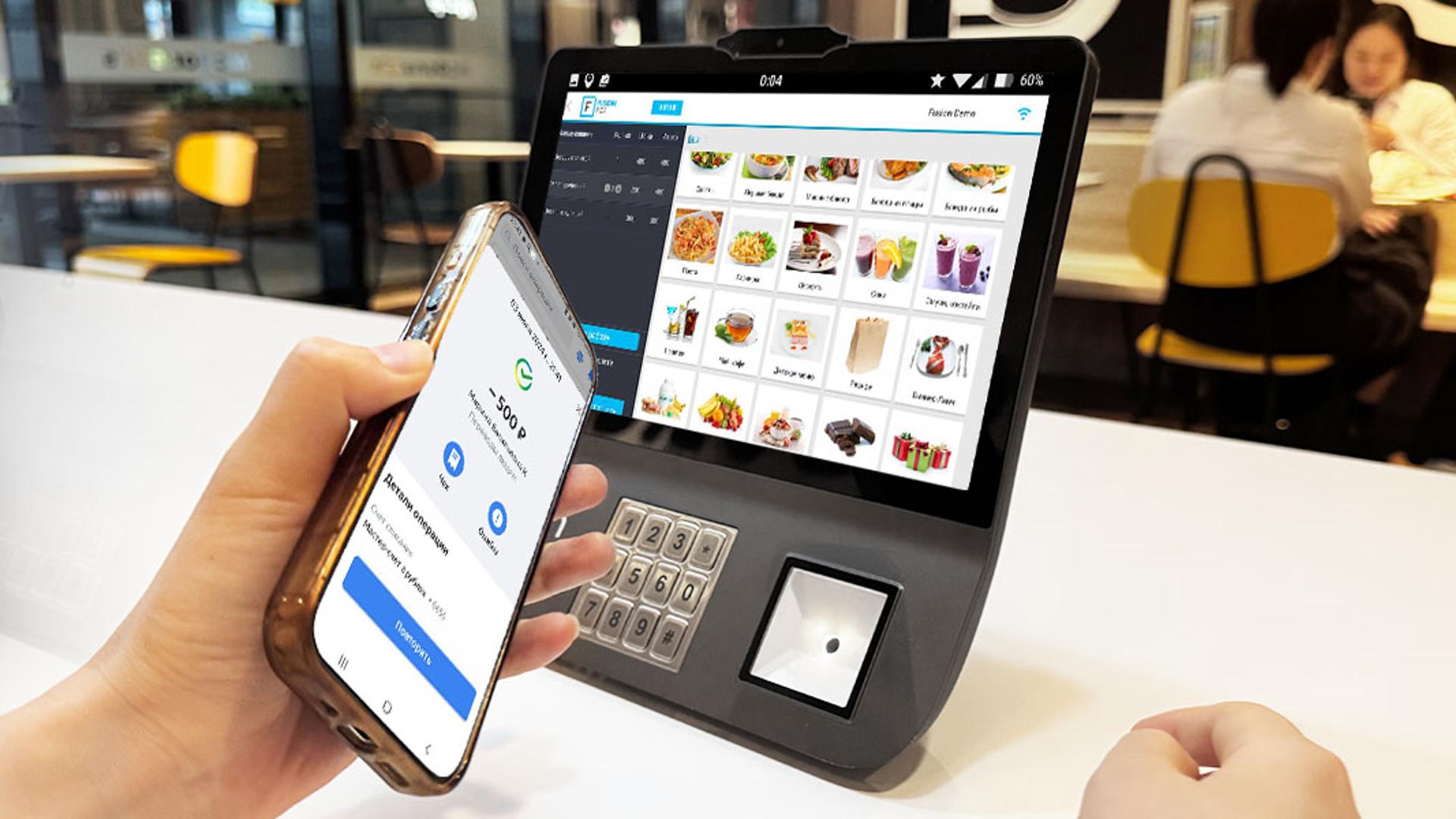
Smart cash registers have become essential tools for modern businesses. In a fast-paced environment, these systems streamline transactions, making checkouts quicker and more efficient. They reduce human error and enhance customer satisfaction. Many of these terminals also come equipped with advanced features, such as inventory tracking and sales analytics, which provide invaluable insights for business owners. With detailed reports, owners can identify trends and make informed decisions about stock and pricing.
Security is another critical aspect of smart cash registers. With the rise in digital payments, protecting customer information is paramount. These systems usually include encryption technology and comply with industry standards. However, businesses must remain vigilant against potential cybersecurity threats. Regular updates and employee training in safe practices can help mitigate risks.
Integration capabilities are also key. Smart cash registers should seamlessly link to other business tools, like accounting software or customer relationship management systems. This interconnectedness improves workflow but requires careful planning. Not every business will benefit from all available features. Therefore, evaluating specific needs before making a commitment is crucial. Balancing technology with practical usability can lead to better outcomes in the long run.
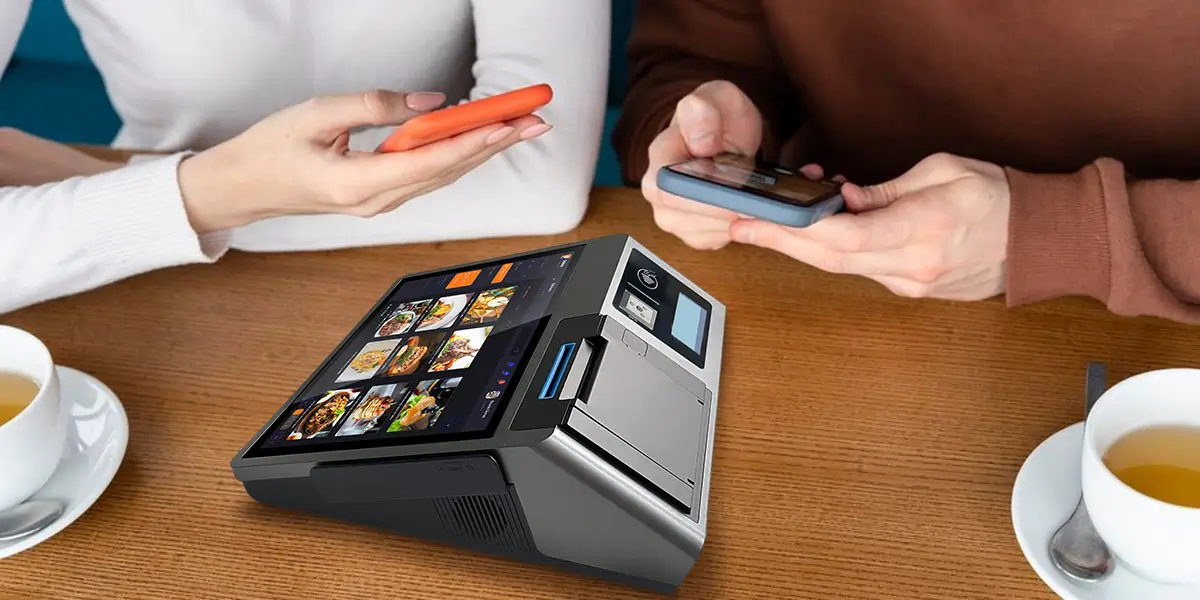
Smart cash registers are evolving quickly. They utilize advanced technology to enhance retail experiences. Features like touch screens and integrated payment systems streamline transactions. Modern smart cash registers offer more than basic functions. They analyze sales data and track inventory in real-time.
Key technologies play a vital role in these innovations. Cloud computing enables real-time data access from anywhere. This capability brings convenience for business owners. Wireless connectivity ensures that transactions are fast and reliable. NFC technology allows for seamless contactless payments as well.
However, there are challenges. Small businesses may find some systems expensive. Training staff to use new technology can take time. Not all cash registers are user-friendly for everyone. Businesses need to evaluate both functionality and ease of use. Balancing cost with features is essential for making informed choices.
As businesses evolve, smart cash registers become essential for efficient operations. Various brands are innovating their offerings for 2026, providing advanced features that cater to different business needs. These terminals integrate with inventory management, payment processing, and data analytics. Users can expect enhanced security measures and user-friendly interfaces that streamline transactions.
Tips: When choosing a terminal, consider your specific business requirements. Look for flexibility in software integration to adapt to changes. Prioritize user experience to minimize training time for staff.
Many brands are focusing on customizable options for diverse industries. Restaurants may benefit from tableside ordering features, while retail stores may prioritize quick checkouts. It's crucial to explore different models to find the best fit for your space and workflow.
Tips: Read user reviews to gauge functionality. Test systems in person to ensure they meet your expectations. Don't forget to inquire about customer support and warranty options.
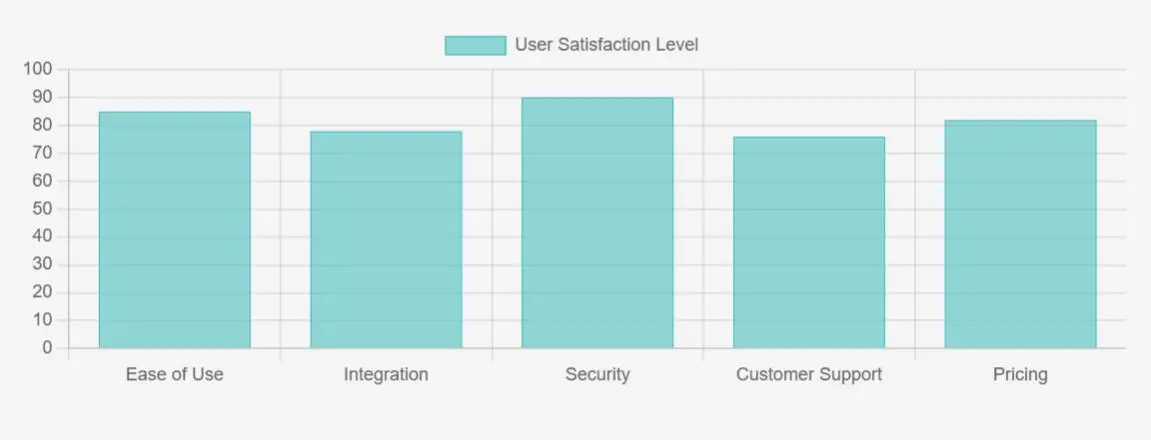
This chart illustrates the average satisfaction levels based on various features of smart cash register terminals in 2026. The data highlights the different capabilities users value most.
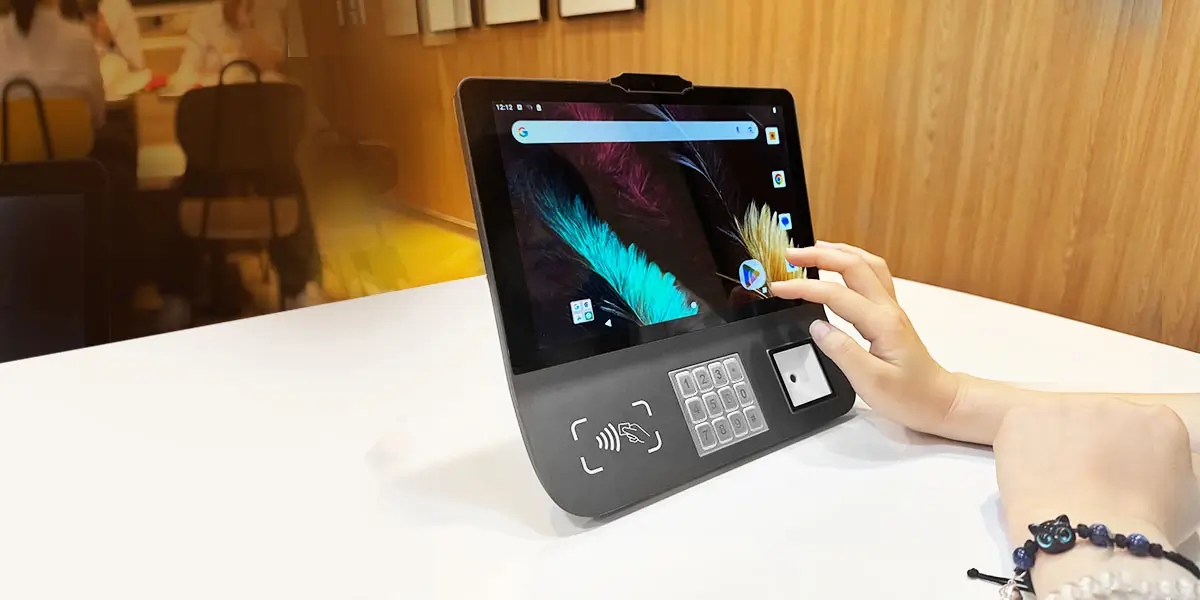
In the competitive market of smart cash register terminals, user-friendly interfaces are paramount. A well-designed interface makes transactions faster and reduces errors. Clear icons and easily readable fonts enhance usability. Store employees should spend minimal time learning the system. Ease of use fosters confidence, enhancing the customer experience.
To create an effective interface, prioritize simplicity. Avoid cluttered screens filled with unnecessary information. Use intuitive navigation flows. Customers and staff should find what they need in a few taps. Consistent layout and language make a significant difference. Regularly seek feedback to identify pain points. This can reveal areas needing improvement.
Test your system often. A test might show unexpected difficulties. By addressing these issues early, adjustments can lead to a smoother operation. Don't shy away from iterating designs based on user experiences. Continuous improvement is key to long-term success in this ever-evolving field.
In 2026, the integration of smart cash register terminals with payment systems is vital for businesses. Many small and medium enterprises rely on quick, secure transactions. A seamless payment process can enhance customer experience significantly. Cash registers that streamline payment options tend to see higher customer satisfaction levels.
Achieving effective integration requires careful consideration. Compatibility with various payment systems, both traditional and digital, is a must. Businesses should assess their target audience's preferences. Offering multiple payment methods, from credit cards to mobile wallets, increases accessibility. However, not all terminals support every payment method.
The learning curve can also pose challenges. Staff may need training to adapt to new systems. Some terminals might lack user-friendly interfaces, leading to frustration. It's essential to balance advanced features with ease of use. Businesses should evaluate how well the new technology enhances operations while ensuring smooth payment processing. Keeping up with trends is imperative, but practical implementation requires ongoing assessment and adjustments.

In the ever-evolving world of retail, smart cash register terminals have prioritized security features to protect transactions. As fraud methods become increasingly sophisticated, businesses must adopt reliable systems. Recent studies indicate that 60% of small retailers lack adequate security measures in their payment processing. This exposes them to risks that could otherwise be mitigated with proper technology.
Advanced encryption features play a crucial role. They help safeguard data during transactions, ensuring sensitive information remains confidential. According to industry analysts, adopting terminals with end-to-end encryption can reduce the risk of data breaches by up to 70%. Additionally, biometric authentication methods are gaining traction. Such measures offer an extra layer of security, verifying the identity of users and curbing unauthorized access.
Despite these advancements, challenges persist. Many businesses struggle to implement comprehensive training programs for staff on security protocols. Without proper education, even the most advanced technology can fail. Ongoing education is critical to maintaining secure transaction environments. As we move toward 2026, focusing on robust security features will be essential for retailers aiming to protect their customers and themselves.
As we look ahead to 2026, the evolution of smart cash register terminals will be influenced by several key trends. One notable development is the integration of artificial intelligence. AI can analyze sales data, predict trends, and optimize inventory management. It helps businesses make informed decisions quickly, enhancing operational efficiency. Not every system currently harnesses this capability, leaving room for improvement.
Another significant trend is the emphasis on mobile payment solutions. More consumers prefer to use mobile wallets or contactless cards. Cash registers that support various payment methods are better positioned for success. However, security remains a critical concern. Ensuring the safety of transactions and protecting customer data must be a priority for developers.
User experience will also play a pivotal role in future designs. Terminals should be intuitive and easy to navigate. Complexity can lead to frustration and delays during peak hours. Retailers need systems that keep both staff and customers happy. Despite improvements, some solutions still fall short in usability. This gap signals an ongoing need for innovation and refinement in smart cash register technology.
Best Smart Cash Register Terminal Options for 2026
| Feature | Sunmi T2 | Newland CPOS X1 | ZCS Z108 |
| Target Scenario | Large chain stores / premium restaurants (fixed desktop use) | Mid-sized retail / restaurants(fixed desktop use) | Small & medium stores / mobile scenarios (dual-use: desktop + portable |
| Price Range | $696-$964 | $450-$700 | $250-$400 |
| Form Factor & Size | 15.6'' large-screen fixed all-in-one | 15.6" large-screen fixed all-in-one | 8'' dual-screen handheld/desktop hybrid |
| Payment Capabilities | Omnichannel (QR/NFC/card swiping) | Omnichannel (QR/NFC/card swiping) | Omnichannel (NFC/EMV chip/magneticstripe/QR) |
| Connectivity &Battery | Ethernet / Wi-Fi / Bluetooth (no built-in battery) | Ethernet / Wi-Fi / Bluetooth (no built-in battery) | Wi-Fi / Bluetooth / optional 4G, 3600mAh built-in battery |
| OS&Expandability | Custom Sunmi OS, closed ecosystem | Custom Newland OS, limited expandability | Stock Android OS, open ecosystem + fullcustomization support |
The "Smart Cash Register Terminal" is an innovative solution that has transformed the retail and hospitality industries. These terminals offer a range of important features, including user-friendly interfaces that facilitate easy navigation and efficient operation. Key technologies powering these devices ensure seamless integration with various payment systems, which is essential for modern businesses. As we look toward 2026, leading brands will continue to refine their offerings, focusing on usability and adaptability to meet consumer demands.
Moreover, security remains a critical factor in the development of Smart Cash Register Terminals, with robust features designed to protect transaction data and safeguard sensitive information. Future trends indicate a growing emphasis on advanced technologies, such as artificial intelligence and cloud-based services, which promise to elevate the functionality and effectiveness of cash registers in retail environments. Overall, the evolution of smart cash registers points to a future where convenience, security, and technology converge to enhance the retail experience.
Q1. What are smart cash registers?
Smart cash registers use advanced technology to enhance retail experiences. They go beyond basic functions.
Q2. How do smart cash registers improve transactions?They utilize touch screens and integrated payment systems. This streamlines the transaction process.
Q3. What technology supports real-time data access?
Cloud computing enables business owners to access data anytime and anywhere.
Q4. What are the advantages of NFC technology?
NFC allows for seamless contactless payments, making transactions faster and more convenient.
Q5. What challenges do small businesses face with smart cash registers?
Costs can be high, and staff training may take time. User-friendliness is also a concern.
Q6. How important are security features in cash registers?
Security is crucial. Advanced encryption methods protect transaction data against fraud.
Q7. What percentage of small retailers lack security measures?
Studies show that 60% of small retailers do not have adequate security for payment processing.
Q8. How can data breaches be minimized?
Using terminals with end-to-end encryption can lower data breach risks significantly.
Q9. What role does ongoing education play in security?
Ongoing training is vital for staff to understand security protocols effectively.
Q10. Why is it challenging to implement security training?
Many businesses struggle to provide comprehensive training, leaving gaps in knowledge and security.
Related Posts
1. 2026 Best Restaurant POS Systems for Global Buyers?
2. 2026 Best Point Of Sale Machine Price Guide and Recommendations?
3. How to Choose the Best MPOS System for Retail and Food Service
4. What are the best POS systems for restaurants and cafes?
5. Best Portable Mini POS Machine Manufacturer






 Home
Home  How Can a Dual-Screen Handheld Order Receiver Transform Your Food Truck Business?
