
2026-05-13 Author : ZCS
In today’s super fast-paced business world, picking the right wireless card machine is more important than ever if you want to succeed. I mean, according to John Smith—who’s pretty much an expert when it comes to payment processing at TechPay Solutions—he says, 'The right wireless card machine can totally change how your business runs.' Sounds serious, right? With tons of options out there, though, it’s easy to feel overwhelmed. You really need to weigh your choices carefully.
Every business is a bit different, so there’s no one-size-fits-all answer. Think about stuff like how many transactions you do daily, how mobile you need to be, and what your customers prefer. It can get confusing pretty fast, especially with all those features and price points. The key is to figure out what actually makes sense for your specific setup. For instance, if you’re running a food truck, portability is probably a top priority. But if you have a brick-and-mortar store, then speed and simplicity might be more your thing.
And here’s the thing—not all wireless card machines are created equal. Some might be lacking in security features, or they might sneak in hidden fees that catch you off guard. It’s worth doing your homework. Read reviews from other users, compare what different models offer, and don’t hesitate to chat with a pro if you need to. An investment in a solid, reliable wireless card machine can really pay off. But skip the due diligence, and you might end up regretting it down the road.
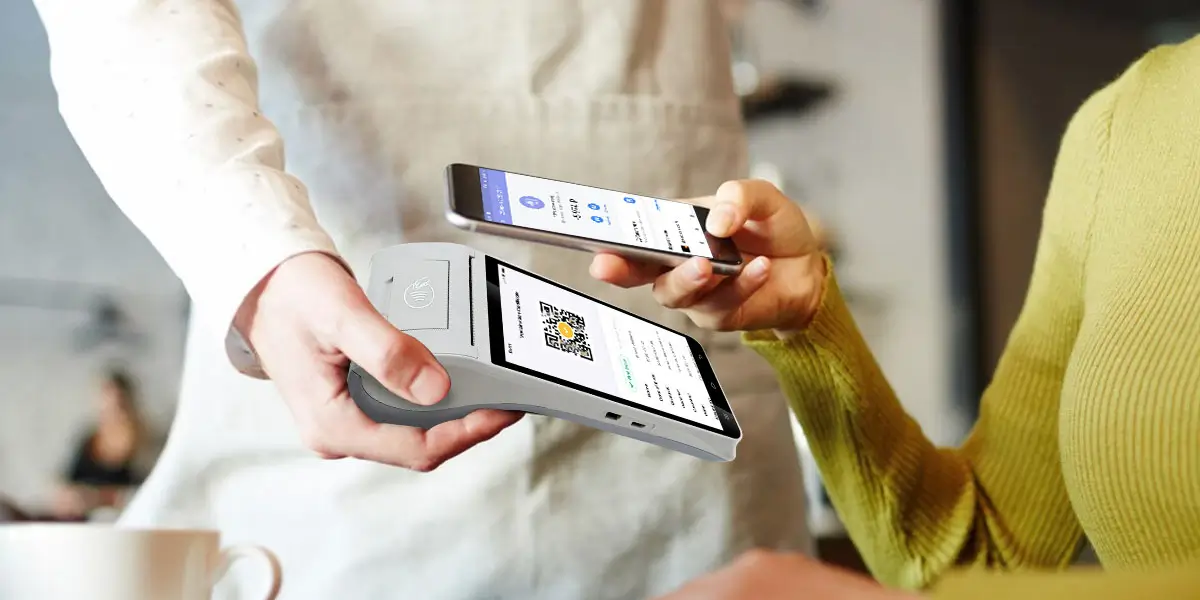
Wireless card machines have transformed how businesses handle payments. They offer convenience and speed, which are crucial in today’s fast-paced environment. Understanding their importance can significantly impact your customer experience. These devices allow customers to pay using cards or mobile wallets, enhancing satisfaction and loyalty.
The adaptability of wireless card machines is noteworthy. They can be used in various settings, from cafes to pop-up shops. However, challenges exist, such as connectivity issues or battery life. It's vital to check these factors before choosing a machine. You want to ensure it functions well, even in crowded venues.
Moreover, security remains a pressing concern. Businesses must secure sensitive customer data while choosing a card machine. Regular updates and secure connections should be part of your plan. Reflecting on these aspects can lead to a safe and efficient payment process. The right machine can make a significant difference, while the wrong one can frustrate both you and your customers.
Choosing a wireless card machine for your business is crucial. The right machine can enhance customer experience and streamline transactions. Key features must be considered carefully. Portability is essential for retail and service businesses. About 40% of consumers prefer mobile payments, according to recent studies. A lightweight and compact design allows for flexibility.
Transaction speed matters significantly. Research shows that 60% of consumers abandon a purchase due to slow checkout. Look for devices with fast processing capabilities. Security features are another top priority. Machines with end-to-end encryption protect sensitive customer data. This is vital as data breaches can lead to significant financial losses.
Tips: Always assess battery life. A machine with a long-lasting battery will avoid interruptions. Additionally, consider the integration options. A system that connects seamlessly with your existing software will save time and reduce headaches. Finally, read user reviews. They often reveal potential downsides that specifications might not cover. Select a device that aligns with your specific business needs.
When selecting a wireless card machine, understanding the types available is crucial for meeting your business needs. There are various models tailored to different environments. Mobile card readers are designed for on-the-go transactions, appealing to food trucks and delivery services. According to a recent industry report, around 70% of small businesses find mobile POS systems increase sales by streamlining payment processes.
Conversely, countertop card machines are prevalent in brick-and-mortar establishments. They generally offer more robust features and reliability. These machines are typically better suited for higher transaction volumes, often integrating advanced security features. A study revealed that businesses using countertop systems report a 30% increase in transaction speed, enhancing customer satisfaction. However, businesses should consider if they require such features based on their operational scale.
Lastly, hybrid machines combine elements of both mobile and countertop devices. They offer flexibility, allowing businesses to adapt swiftly. Yet, these machines can come with a steeper learning curve. This variability in usability can impact efficiency, especially for new staff. Evaluating all options ensures that the choice made not only fits current needs but can also adapt to future growth.

When selecting a wireless card machine for your business, understanding transaction fees is vital. Typically, transaction fees range from 1.5% to 3.5% per sale. This variance arises from factors like your business size and the payment processor used. Small businesses often encounter higher rates due to perceived risk. A study reported that 44% of small businesses undersell their products due to unforeseen transaction costs, impacting profits significantly.
Consider these costs: monthly fees, chargeback fees, and equipment costs. A hidden aspect is the interchange fee, which is part of every transaction. It’s set by the card networks and can influence your overall expenses. According to industry reports, these fees can amount to 1-2% of revenue annually. Evaluate these carefully to avoid financial surprises.
Tip: Always read the fine print of the agreement. Understand the fee structure fully. Seek processors with transparent pricing models. A tweet from a business owner mentioned switching vendors saved them 25% in fees. When comparing options, consider not just initial costs but also long-term implications on cash flow.
Choosing the right wireless card machine is crucial for your business. Compatibility with existing payment systems is a primary concern. Many machines may offer attractive features but can falter if they don’t sync well with your current setup.
Start by evaluating your current payment software. Does it support various wireless technologies? Ensure that the machine you consider can seamlessly integrate with your existing systems. Take the time to research communication protocols like NFC, EMV, and QR code capabilities. Ignoring these factors can lead to frustrating operational hurdles.
Look into the scalability of the machine. As your business grows, your payment needs may change. Some machines might not support new payment technologies or updates. Reflecting on future needs is essential. Keep an eye on transaction speeds and connectivity options. A slow or glitchy experience can hinder customer satisfaction. Make informed choices to enhance efficiency and trust in your payment processes.

When selecting a wireless card machine, customer support is a critical factor. A 2023 industry report indicated that 85% of businesses consider prompt support essential. This is particularly true for small businesses that may not have the resources to troubleshoot issues independently. Effective customer support can significantly impact daily operations, especially during peak sales periods.
Providers often offer various service options. Many include 24/7 support, but not all succeed in delivering timely assistance. A recent survey revealed that only 60% of users are satisfied with their support experience. Analyzing response times and resolution effectiveness is crucial. It's essential to assess how providers manage technical challenges and customer inquiries. A provider's failure in this aspect can lead to lost sales and frustrated customers.
Moreover, consider the availability of training resources. A provider that offers comprehensive training increases overall user confidence. Sometimes, these resources are underwhelming or not easily accessible. Despite the promise of support, the execution can fall short. Understanding these nuances can lead to better decision-making when choosing a wireless card machine that truly meets your business needs.
When choosing a wireless card machine for your business, reviews and ratings play a crucial role. A recent industry report highlights that 78% of consumers rely on online reviews when making purchasing decisions. This trend indicates that businesses must pay attention to the feedback they receive. Analyzing both positive and negative reviews can provide insights into the machine's performance and reliability.
It's essential to consider the number of ratings as well. Machines with thousands of reviews tend to have more accurate representations of user experience. A product with a high average rating but only a few reviews may not be as reliable. Furthermore, look for detailed reviews that discuss specific features. Reports suggest that machines with strong customer service and user-friendly interfaces often receive higher satisfaction ratings.
However, not all reviews are trustworthy. Some may come from biased sources or be manipulated. This makes it vital for business owners to dig deeper. Compare reviews across multiple platforms to identify consistent trends. Utilizing this approach can lead you to a wireless card machine that truly meets your needs. In an ever-evolving market, staying informed is key.
When selecting a Wireless Card Machine for your business, it is crucial to understand their functionality and impact on efficiency. Key features such as battery life, transaction speed, and security options should be carefully evaluated to ensure they align with your business needs. There are various types of wireless card machines available, each catering to different operational requirements, from mobile retail to larger establishments.
Additionally, evaluating transaction fees and costs is essential to maintaining profitability. Ensure that the machine is compatible with your existing payment systems and software to facilitate smooth operations. Customer support provided by the machine's service provider is also a vital aspect, as responsive support can minimize downtime. Finally, reading reviews and ratings will help inform your decision, enabling you to choose the best Wireless Card Machine that suits your business's unique requirements.
Q1. What are typical transaction fees for wireless card machines?
Transaction fees usually range from 1.5% to 3.5% per sale. The rates depend on various factors.
Q2. Why do small businesses face higher transaction fees?
Small businesses often face higher fees due to perceived risk by payment processors. This can impact their profits.
Q3. What are some hidden costs to consider with transaction fees?
Monthly fees, chargeback fees, and interchange fees can significantly increase overall costs. Evaluate these carefully.
Q4. How can customer support affect my business operations?
Good customer support is crucial. Delays in support can lead to lost sales and frustrated customers, especially during busy times.
Q5. What should I look for in customer support from providers?
Evaluate response times and resolution effectiveness. Also, consider the availability of training resources offered by the provider.
Q6. How important are reviews and ratings when selecting a card machine?
Reviews and ratings are vital. A majority of consumers rely on them for making informed decisions about products.
Q7. How can I determine the reliability of reviews?
Look for the number of ratings and detailed feedback. Compare reviews across different platforms for consistent trends.
Q8. What should I do if I find conflicting reviews?
Dig deeper into the sources of reviews. This can help you identify which feedback is credible and relevant for your choice.
Q9. Are there common pitfalls when switching vendors?
Yes, many businesses overlook long-term costs when switching. This can lead to unexpected financial impacts over time.
Q10. What’s a quick tip for selecting a wireless card machine?
Always read the fine print. Understanding the fee structure will help you avoid financial surprises down the line.
Related Posts
1. Choosing the Right Mobile mPOS Card Reader Device for Your Small Business
2.How to Choose the Right Card Reader for Your Business
3. Top 5 Contactless Card Readers for Small Businesses in 2025






 Home
Home  Why Choosing the Right Pos For Bar And Restaurant Is Essential for Success?
