
2026-05-20 Author : ZCS
Picking the right small business POS system isn’t just about ticking boxes — it can actually make a big difference in how smoothly your daily operations run. Honestly, with so many options out there, it can feel pretty overwhelming to choose the perfect fit. Take your time, think about what your business really needs. When you find the right system, it can help boost efficiency and make your customers’ experience much better.
It’s also super important to get a good grasp of what the system can do. Look for features that make managing sales, inventory, and customers easier — maybe even mobile payment options or integration with your accounting tools. Every business is a little different, so flexibility and customization options are a big plus.
That said, no system is perfect right out of the box. Sometimes, after using it for a bit, you might realize it’s missing something or doesn’t quite fit what you need. It’s totally fine — just gather feedback from your team, keep an eye on how it’s actually working in practice, and don’t be afraid to make tweaks. Checking in and adjusting along the way can really help you make sure your POS system keeps supporting your business goals well.
In today’s fast-paced market, small businesses must streamline transactions. A reliable Point of Sale (POS) system is vital for managing sales, inventory, and customer relations. It helps to reduce human error and enhances the overall shopping experience. Every transaction is recorded, providing valuable data for analysis. For example, a well-functioning POS system can show which products are best-sellers. This insight allows for smarter inventory choices.
However, selecting the right POS system can be challenging. Some business owners may feel overwhelmed by options. They might worry about not choosing the best fit for their needs. It's essential to evaluate specific requirements before making a choice. Consider the type of products sold and customer interaction needs. For instance, a restaurant may need table management features, while a retail store may focus on barcode scanning.
Investing in a good POS system pays off. It can speed up the checkout process and reduce customer wait times. Additionally, it often includes analytics tools that track sales trends. This data helps in making informed business decisions. Small businesses should prioritize reliability and user-friendly interfaces. In the end, the right system can help create a more efficient operation, enhancing customer satisfaction and loyalty.
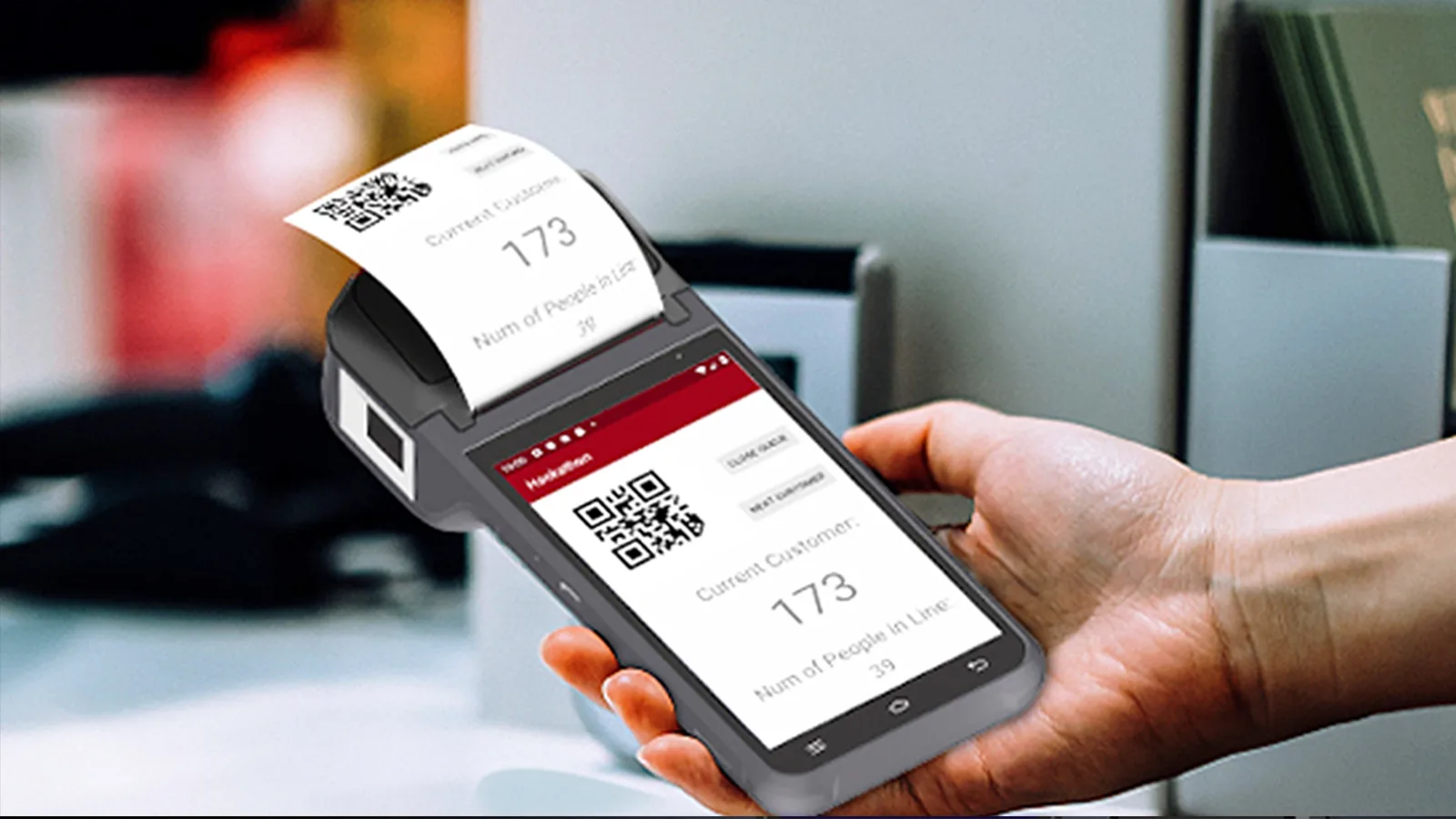
2. Key Features to Look for in a Small Business POS System
When selecting a small business POS system, focus on essential features that directly address your operational needs. Ease of use is crucial; staff should be able to navigate the system quickly. Look for intuitive interfaces and clear instructions. A cumbersome system can lead to errors and frustrate customers during transactions.
Another key aspect is inventory management. The right POS should help you track stock levels in real time. This reduces the chances of overstocking or running out of essential items. Additionally, robust reporting tools can offer insights into sales trends and customer preferences. Such information is vital for making informed business decisions, even if you sometimes overlook it in daily operations.
Payment flexibility cannot be ignored either. Ensure the system supports various payment methods, including credit cards, mobile payments, and gift cards. This accommodates different customer preferences and enhances their shopping experience. Consider if the system integrates well with other tools you use, like accounting software or e-commerce platforms. Streamlining these processes can save you time and increase efficiency. While it may seem daunting to choose the right system, reflecting on these key features will guide you in making a more informed decision.
Consider how a robust POS system can streamline operations. It can automate inventory management and sales tracking. These features potentially save time and reduce human error. Nevertheless, some businesses might underestimate maintenance costs. They may face unexpected updates or repairs.
Evaluate the total cost of ownership. Look at subscription fees and transaction charges over time. This gives a clearer picture of your financial commitment. Reflect on how these costs align with your business's growth plans. Sometimes, cheaper options could lead to higher costs down the road. It's a delicate balance between spending wisely and investing in tools that support your long-term goals.

When integrating payment processing solutions into your small business POS system, the goal is efficiency. A seamless payment experience enhances customer satisfaction. Look for systems that support multiple payment methods, including cards, mobile wallets, and online payments. This flexibility caters to diverse customer preferences and drives sales.
Tips: Evaluate transaction fees. Different solutions have varying costs. Ensure you choose a provider that offers transparency. Hidden fees can impact your bottom line. Keep scalability in mind. As your business grows, your POS needs may change.Choose a system that can easily adapt to those changes.
Training staff is crucial when adopting new payment processing solutions. Employees must feel confident using the system. Complicated processes can lead to errors and delays. Regular practice and training sessions can mitigate these issues. Additionally, consider customer feedback. They can provide insights that lead to further improvements in your payment process. Small adjustments can result in significant enhancements in efficiency and customer experience.
When selecting a small business POS system, evaluating customer support and service reliability is crucial. Research shows that 73% of customers view support quality as an essential factor in their overall satisfaction. A system that fails in this aspect can lead to operational disruptions. During busy hours, fast and reliable support can differentiate between a well-functioning business and one struggling with technical issues.
Consider response times and availability of customer support.
Systems with 24/7 support will often prove more reliable. Not all providers offer consistent service. In fact, studies indicate that approximately 30% of small businesses experience downtime due to poor customer service. This can lead to lost sales and frustrated customers. A reliable system should not only come with a robust user manual but also easy access to knowledgeable representatives.
It’s also worth examining the online reviews and customer feedback. Authentic testimonials provide insights into the consistent performance of the support teams. Look for patterns in customer experiences, both positive and negative. Some users report feeling neglected during peak times. It’s essential to weigh these comments during the evaluation process. Trustworthy providers tend to value their customer relationships and actively seek feedback for improvement.
When selecting a POS system, hardware and software compatibility is crucial. Assess your existing equipment to ensure smooth integration. An outdated cash register may struggle with the latest software. Hardware needs to support various payment methods, including mobile wallets.
Tips: Check if the system supports your devices. Compatibility ensures a seamless transition. If you plan to upgrade hardware, choose a flexible system. Customization can enhance user experience and improve efficiency.
It's important to consider the software side as well. Does the software meet your specific business needs? Some software might offer features you don't need, leading to confusion and wasted resources. Regular updates are essential for security and functionality.
Tips: Look for user-friendly interfaces. Training staff can take time. Ensure the software grows with your business demands. A flexible solution can adapt as your operations evolve. This flexibility can be a decisive factor in long-term success.

When selecting a small business POS system, consider future-proofing your choice. Flexibility is key for accommodating growth. Your business goals can evolve significantly. A system that adapts to your changing needs saves time and money. Look for features that can scale effortlessly. This includes adding new locations or integrating with online platforms.
It’s essential to assess how the system handles increasing transaction volumes. A robust architecture supports growing customer bases. Ensure the software can receive updates seamlessly. This avoids disruptions in service. Also, consider support for new payment methods as they emerge. The ability to accept digital wallets now can be crucial for future trends.
ImageDon’t underestimate the importance of user experience. Employees should find the system intuitive. Complicated interfaces can lead to errors and frustration. Additionally, investigate the availability of customer support. Having experts on hand to resolve issues is vital as your business expands. Reflect on your organization's capability to adapt. Are you prepared to change when needed?
Choosing the best Small Business POS System is crucial for the success and efficiency of your operations. These systems offer significant advantages, such as streamlining transaction processes and enhancing customer service. When selecting a POS system, it's vital to understand its importance, focusing on key features like user-friendliness, inventory management, and reporting capabilities. Additionally, analyzing both initial costs and long-term benefits can guide your decision, ensuring you invest wisely.
Integrating payment processing solutions can enhance operational efficiency, allowing for seamless transactions. Customer support and service reliability should also be evaluated, as dependable assistance is key to minimizing disruptions. Furthermore, ensuring hardware and software compatibility with existing systems is essential. Finally, future-proofing your choice by selecting a flexible system will support your business growth and adaptability in a changing market landscape.
Q1. Why is integrating payment processing solutions important for small businesses?
It enhances efficiency and improves customer satisfaction with seamless payment experiences.
Q2. What should I consider regarding transaction fees?
Evaluate them carefully. Different solutions have varied costs that can impact profits.
Q3. How can I prepare my staff for new payment processing solutions?
Provide regular training sessions. Confident employees are less likely to cause errors.
Q4. What role does customer feedback play in payment processing solutions?
Customer feedback can guide improvements. Small adjustments can significantly enhance efficiency.
Q5. Why is customer support critical when choosing a POS system?
Quality support impacts operational stability. Reliable support can prevent disruptions during busy hours.
Q6. How can I assess the reliability of customer service?
Research response times and check online reviews. Customer experiences reveal service consistency.
Q7. What should I check for regarding hardware compatibility?
Ensure existing equipment integrates smoothly. Outdated hardware may struggle with new software.
Q8. How important is software flexibility for my business?
Very important. A flexible software solution can adapt to changing business needs effectively.
Q9. Should I worry about hidden software features?
Yes, features you won't use can waste resources. Choose software that meets your specific needs.
Q10. How can regular updates benefit my POS system?
They enhance security and ensure ongoing functionality. Keeping software updated is essential.
Related Posts
1. How to Choose the Right POS System for Your Business
2. What Features Should I Look for in a POS System?
3. What is Mini POS and How Can It Benefit Your Business?
4. Everything You Should Know About Portable POS Devices for Pop-up Shops and Events






 Home
Home  POS for Convenience Store: The Smarter Way to Run a Faster, Leaner Store
