
2025-12-05 Author : ZCS
These modern devices, often powered by Android systems, transform the checkout flow by giving both staff and customers their own dedicated interface. For restaurants, cafés, bistros, food trucks, and fast-growing quick-service chains, dual-screen POS systems deliver improvements in order accuracy, transparency, upselling potential, and overall brand perception.
Today, manufacturers such as ZCS are leading this transformation with OEM-ready, cloud-compatible, and cost-efficient dual-display POS hardware that fits different restaurant formats—from compact cafés to nationwide chains.
Modern diners expect visibility. When customers can see their order items, modifiers, tax, and final total on a dedicated customer-facing display, trust increases significantly.
A 2024 Deloitte report found that 58% of diners say transparency at checkout increases their likelihood to return.
Dual-screen Android POS systems give diners exactly that: a clear, real-time view of everything being keyed in by the cashier or staff. This minimizes disputes, reduces voids, and builds a transparent dining environment.
QSRs depend on speed.
During peak lunch and dinner periods, delays of even 15–20 seconds per transaction can reduce the number of customers served.
Dual screens accelerate checkout because:
staff do not need to turn screens around
customers can review totals instantly
payment prompts appear directly on the customer-facing display
This results in higher throughput, especially for high-volume chains.
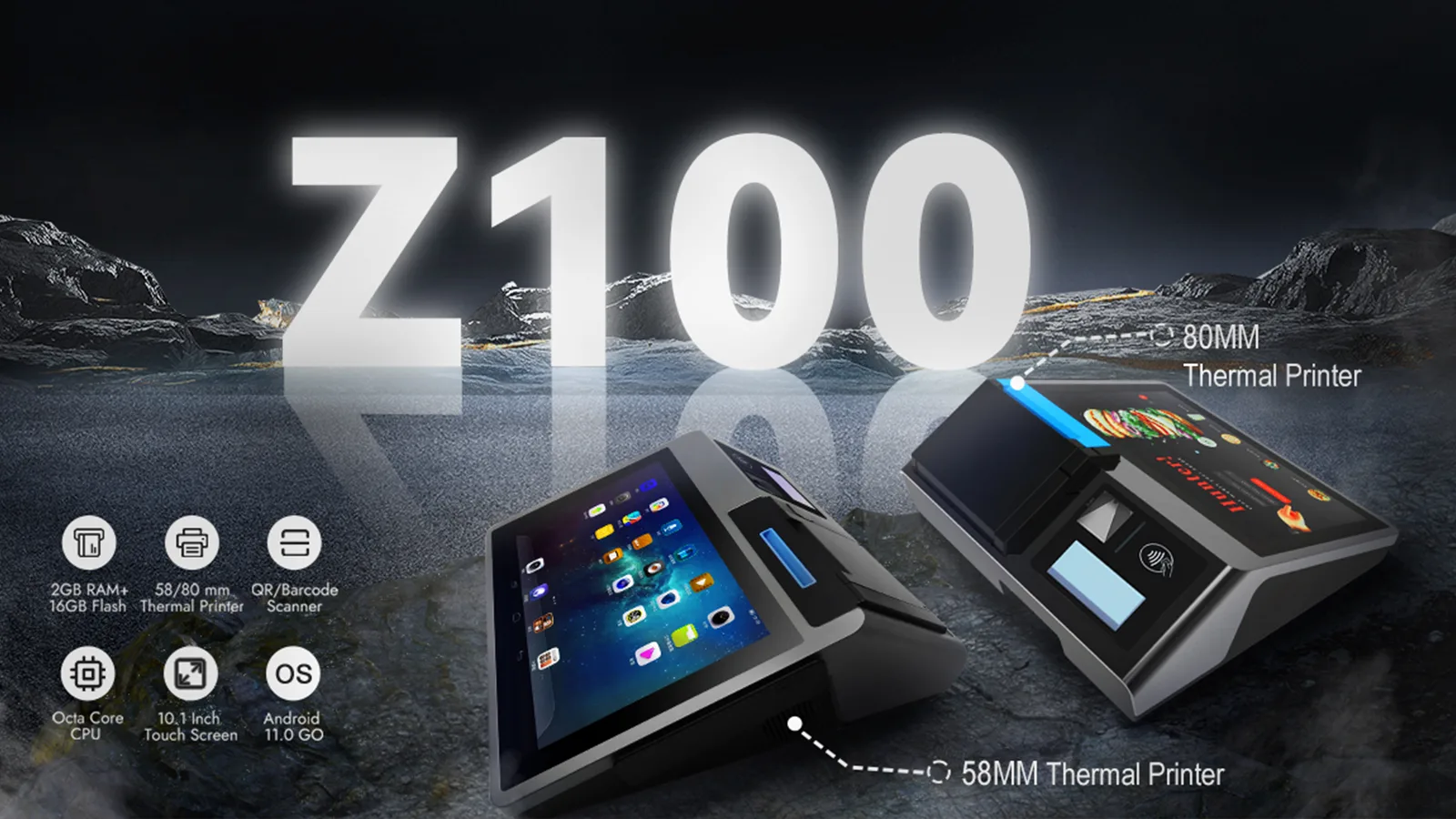
ZCS integrates this dual-screen workflow into models like the Z100 and Z108, purpose-built for restaurants and multi-location chains.
1.3 Built-In Upsell Features That Increase Average Order Value
Dual-screen POS terminals are not just functional—they’re revenue tools.
Customer-facing screens can automatically display:recommended add-ons,combos,loyalty deals.
time-specific promotions (e.g., lunchtime drink discounts)
A study by Square revealed that upsell prompts can increase average order value by 10–30% in quick-service establishments.
For cafés and bistros with limited seating, dual screens offer a compact and subtle way to promote add-ons without overwhelming customers.
For chain restaurants, consistency is everything.
Chain operators adopt dual-screen POS for:unified menu and pricing,standardized checkout flow,centralized cloud reporting,remote configuration.
ZCS, a global POS manufacturer, offers OEM customization for chains that require brand-specific overlays, customer-facing themes, or loyalty-program integration.
1.5 Better Data Accuracy & Reduced Staff Errors
Restaurants suffer significant losses from mis-keyed orders or incorrect modifiers.
Dual screens help reduce:accidental item deletions,modifier omissions,incorrect prices,customer disputes.
This also shortens training time—critical for QSRs with high staff turnover.

The new generation of compact dual-display POS terminals fits small countertop spaces and helps boutique shops enhance professionalism without extra hardware.
These devices also support aesthetic branding with custom boot screens, café-specific color themes, and tailored menu layouts.
1.7 Tailor-Made for Cloud-First Restaurant Operations
With cloud POS adoption rising above 70% in many regions, modern dual-screen POS hardware seamlessly connects to:cloud dashboards,inventory systems,CRM and loyalty apps,online ordering platforms.
This synchronization makes it easier for restaurant leaders to manage multi-store performance in real time across different cities or countries.
When the diner sees their full order list—including ingredients, modifiers, allergens, and pricing—they naturally feel more in control. This reduces complaints and builds credibility.
A McKinsey customer-experience study found that brands with high perceived transparency enjoy 2.8× more customer loyalty
2.2 Self-Check Verification
QSR chains adopting kiosk-style workflow benefit from customers:reviewing their own order,confirming totals,verifying promotions.
This saves staff time and reduces back-and-forth communication.
2.3 Improved Brand Experience & Digital Interaction
Customer-facing screens are not limited to receipts—they can display:store branding,animations,loyalty QR codes,seasonal promotions,mobile app download links.Restaurants no longer need a separate digital signage screen.
The POS becomes the brand’s central messaging device.
Speed and accuracy are essential.
Dual screens reduce queues and improve operational consistency.
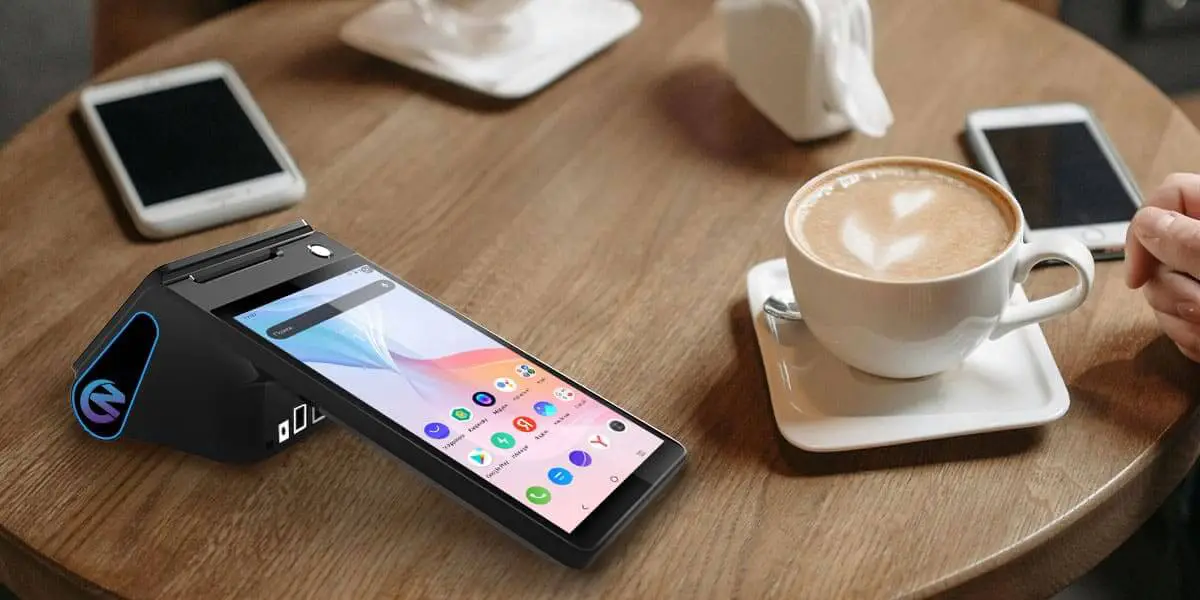
3.2 Cafés & Bistros
Compact countertop devices improve aesthetics.
Upsell prompts encourage beverage or dessert add-ons.
3.3 Food Trucks, Pop-Ups, & Outdoor Stalls
Food trucks often work in tight, fast-moving environments.
Portable dual-display units help:process mobile payments,show real-time totals,handle loyalty cards,reduce communication errors.
Unified deployment reduces training effort and improves brand consistency.

ZCS is recognized for high-quality Android POS terminals with OEM/ODM support. For restaurant brands and QSR chains, ZCS offers:dual-screen Android terminals with stable performance,customizable customer-facing UI,cloud-ready integration,powerful processors suitable for peak rush hours,sleek, compact designs suitable for cafés or bistros,dedicated hardware for loyalty and upsell display,strong engineering background for OEM customization.
ZCS provides private-label solutions for restaurant chains looking to deploy branded POS hardware across all locations.
Dual-screen POS terminals allow customers to see their order details in real time, reducing disputes and improving transparency while enabling faster checkout for QSRs and restaurants.
Q2. Can dual-screen POS systems increase revenue?
Yes. Customer-facing screens enable upsell prompts, loyalty program visibility, and targeted promotions, increasing average order value by 10–30%.
Q3. Are dual-screen POS terminals suitable for small cafés and boutique restaurants?
Absolutely. Compact dual-display designs fit small counters and enhance the store’s digital professionalism.
Q4. Do dual-screen POS systems work with cloud-based restaurant software?
Yes. Most modern systems—including those from ZCS—are cloud-ready and support multi-store management, CRM, and inventory integration.
Q5. Are dual-screen POS terminals easy to maintain and train new staff on?
Yes. The interface is intuitive, and customer-facing screens reduce training requirements and mistakes—especially important for QSRs with high staff turnover.
Related Posts
1. Best POS Systems for Restaurants in 2026: Hardware Comparison for Global Buyers
2. Why Choosing the Right Pos For Bar And Restaurant Is Essential for Success?
3. QR Code POS Terminals: The Key to Fast Checkout in New Retail






 Home
Home  How Do NFC and QR Code Payments Improve Restaurant Checkout Speed?
