
2025-12-10 Author : ZCS
In 2025, a Point-of-Sale (POS) system is increasingly the nervous system of retail and food service operations — not just a cash register. As stores scale to multiple locations and customer buying patterns fragment across channels, AI embeds intelligence into POS to turn transactional data into predictive signals. This article explains the practical role of AI in modern POS systems and inventory forecasting, how AI improves accuracy and reduces costs, what data and integrations matter.
Traditional POS systems record what happened: sales, returns, and payments. Modern, AI-enabled POS systems do more: they learn from point-of-sale data, apply demand forecasting models, detect trends in near-real time, and trigger actions such as automated reorders, dynamic safety stock adjustments, or promotional recommendations. In short, AI transforms POS from a ledger into a forecasting engine and operational controller.
Authoritative research supports this shift. McKinsey notes that AI can reduce inventory levels by 20–30% through better demand forecasting and dynamic segmentation — a dramatic efficiency gain for distribution and retail operations.
IBM and other enterprise analysts also identify accuracy, cost reduction, and improved customer satisfaction as primary benefits of AI in inventory management.
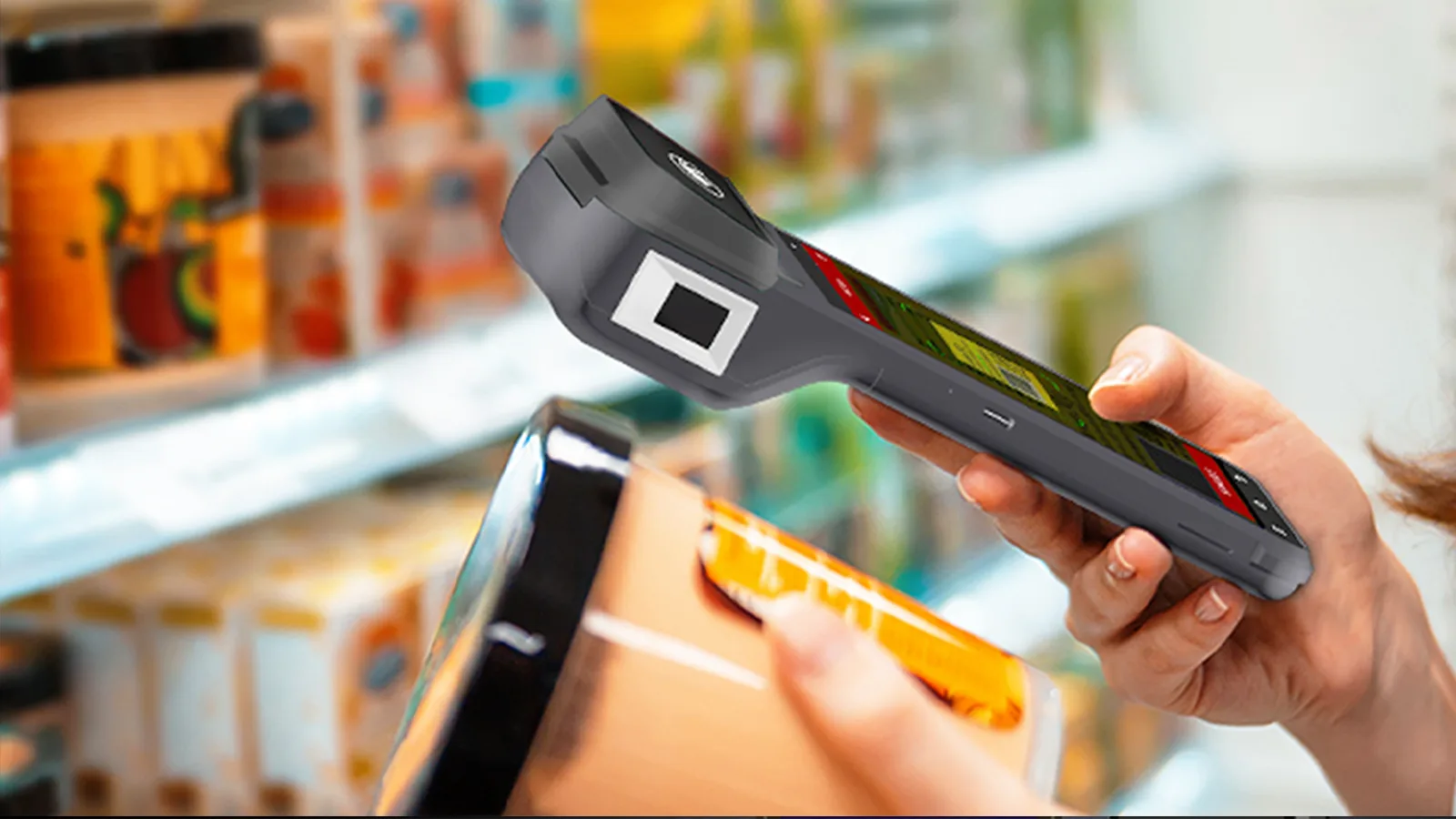
Below are the practical AI capabilities that modern POS systems deliver:
1. Demand forecasting with machine learning
Machine learning models process POS sales histories, promotions, seasonality, local events, and external signals (weather, holidays) to predict future demand at SKU × location granularity. These models outperform static reorder points because they adapt to trend shifts and promotional effects.
2. Automated reorder and replenishment
When a forecast predicts upcoming stock shortage (or overstock), the POS can generate auto-reorder suggestions or trigger supplier purchase orders. For multi-location retail, this reduces manual reorder errors and saves buyers’ time.
3. Real-time anomaly detection & stock alerts
AI flags suspicious sales patterns (e.g., sudden spikes or returns) that could indicate shrinkage, scanner errors, or sudden demand surges — enabling faster human or automated responses.
4. Dynamic safety stock and segmentation
AI segments SKUs by demand variability and sets differentiated safety stock or reorder points per segment, rather than using one-size-fits-all rules.
5. Promotion & price elasticity modeling
Integrated AI evaluates how promotions or dynamic pricing impact demand and inventory, enabling the POS to coordinate pricing and inventory health. This is particularly useful where dynamic pricing and inventory control must work together.
These functions let a modern POS become the control plane for inventory optimization, especially for multi-store operators and mid-market retailers.
Large retailers and brands are already rolling out AI across inventory operations. For instance, Starbucks implemented AI-driven inventory counting across thousands of company stores, increasing inventory count speed and improving replenishment efficiency. That real-world deployment demonstrates how automation and AI integrated with operational systems can significantly change labor patterns and availability of key ingredients.
Industry analysis also shows that the majority of retailers are piloting or partially deploying AI agents to boost operational efficiency, and interest in inventory and supply chain use cases is rising rapidly. Reported deployments highlight customer service and marketing as early AI adopters, with inventory management following closely.
Adopting AI in the POS + inventory stack produces measurable benefits:

AI-enhanced POS and inventory forecasting are particularly valuable for:
Small single-store merchants can also benefit via hosted AI services embedded in cloud POS products — especially those focused on “mid-market smart inventory solutions” and “auto-reorder POS systems”.
To get accurate AI predictions, models need clean, timely data. Typical requirements:
Integration with the POS manufacturer and backend systems (ERP, WMS, supplier EDI) is essential — which is why selecting a POS partner that offers open APIs and a clear data pipeline matters. ZCS, as a POS manufacturer, provides flexible integration points so retailers can connect POS telemetry to AI forecasting engines.
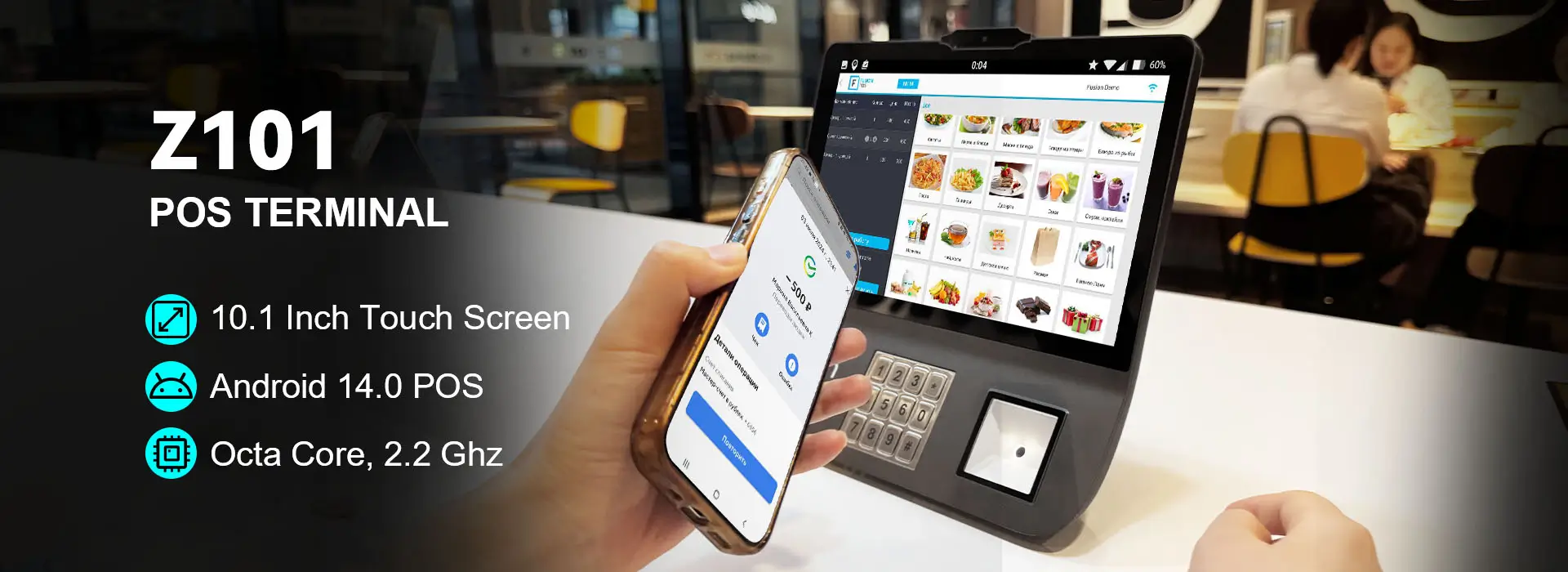
A capable pos manufacturer must do three things to make AI forecasting practical:
Q1. How does AI improve inventory forecasting accuracy?
AI uses machine learning to combine historical sales, promotions, seasonality, and external signals to generate probabilistic forecasts. Studies and industry analysis show AI can materially reduce inventory while improving service levels — McKinsey reports inventory reductions of 20–30% in distribution planning through AI.
Q2. Can small retailers afford AI-enabled POS inventory features?
Yes — many cloud POS vendors and manufacturers offer tiered services where AI forecasting is delivered as a managed cloud feature or plugin, lowering upfront cost. Cloud-native, subscription-based models make “mid-market smart inventory solutions” accessible. Industry news shows accelerated pilot adoption across retailers of all sizes.
Q3. How accurate are AI forecasts for promotions and seasonal spikes?
AI models that incorporate promotional history and external signals significantly outperform static methods, but accuracy depends on data volume and feature completeness. For extreme or novel events, human oversight and quick retraining help. Real deployments (e.g., big chains) report meaningful improvements in forecast quality and replenishment timing.
Q4. What data should I prioritize to get started?
Start with clean POS sales history, inventory on hand, supplier lead times, and promotion logs. Adding external data like holidays and weather improves forecasts faster. Ensure SKU consistency and time-stamped transactions.
Q5. How long before AI delivers ROI?
Pilot timelines vary. Retailers often see measurable changes in inventory metrics within a few months after deployment (reduced stockouts, lower carrying costs). ROI accelerates when auto-reorder and exception automation are activated. Case examples from enterprise deployments indicate fast payback where manual replenishment was previously a constraint.
11.Closing thoughts
AI is not a futuristic add-on — it’s actively reshaping how POS systems manage inventory and make replenishment decisions. From automated reorders and dynamic safety stock to promotion-aware forecasts and anomaly detection, AI turns raw POS transactions into operational advantage. For businesses ready to digitize inventory decision-making, partnering with a capable POS manufacturer and designing pilots that combine AI and human expertise is the fastest route to measurable gains.
ZCS — as a POS manufacturer — ZCS provides you with POS hardware and point-of-sale solutions.






 Home
Home  How Can Multi-Language, Multi-Currency POS Systems Help Merchants Expand Globally?
