
2026-03-19 Author : ZCS
Selecting the right wholesale Android POS supplier is one of the most critical decisions for any B2B enterprise operating in retail, hospitality, logistics, on-site services, or distribution. Android POS systems have become the backbone of global commerce because they are flexible, app-driven, cost-efficient, and easy to scale. However, not all suppliers—or all pos manufacturers—deliver the level of reliability, compliance, and long-term stability required for large-volume procurement.
This guide will help you understand how to evaluate different Android POS suppliers, how to assess their manufacturing capabilities, how to analyze certifications and quality systems, and how to choose a supplier capable of supporting your B2B growth. Whether you are seeking OEM/ODM Android POS terminals, Android all-in-one cash register systems, or rugged handheld devices, the principles in this article will protect your supply chain and help you choose a supplier who can scale with your business needs.
Your POS hardware directly influences your customer experience, transaction security, operational efficiency, and long-term cost of ownership. A poor supplier can cause shipment delays, device failures, software incompatibility, and after-sales challenges that damage your business reputation.
Choosing the right supplier ensures:
• Stable and repeatable bulk production
• Consistent hardware performance across all terminals
• Lower failure rate and fewer warranty claims
• Better compatibility with Android systems and SDKs
• Device availability for multiple years
• Clear after-sales structure and maintenance channels
Industry analyst Accio Systems noted that “POS hardware procurement should prioritize reliability, compliance, and lifecycle stability over unit price, because device downtime may cost businesses far more than the hardware itself.”
This shows how essential it is for B2B companies to evaluate suppliers using long-term thinking, not just a pricing spreadsheet.
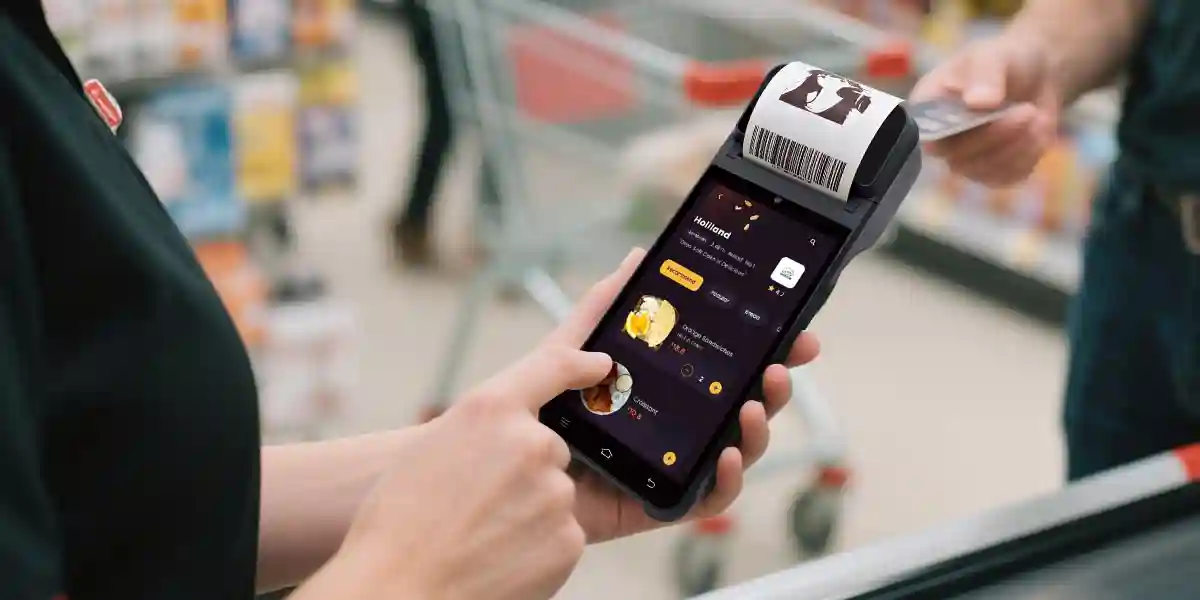
Before comparing suppliers, you must fully understand your business scenario. Android POS hardware is not one-size-fits-all. Your industry determines your hardware needs.
Ask yourself:
• Are you deploying Android POS terminals indoors, outdoors, or across multiple stores?
• Do you need handheld Android devices, desktop terminals, or dual-screen POS equipment?
• Will you integrate the POS system with third-party payment platforms, inventory systems, or SaaS applications?
• Do you require custom branding, custom firmware, or a private Android OS build?
A detailed requirement sheet will help filter out suppliers who cannot meet your technical or operational needs. According to Matsuda POS Consulting, “90% of procurement failures occur because buyers fail to match their operational needs with manufacturer capabilities.”
This highlights the importance of clearly defining your goals before engaging suppliers.
Many companies list themselves as Android POS suppliers but are actually trading intermediaries. Working with traders usually increases cost, slows communication, and reduces quality assurance.
A real pos manufacturer offers:
• Transparent factory audits
• Stable bulk production
• Engineering and R&D capabilities
• Custom hardware configurations
• Direct technical support
• Better long-term availability
Avoid suppliers who refuse to show factory certifications, refuse video factory tours, or cannot provide production line details. Alibaba research on supplier trust shows that “direct factory partnerships reduce procurement risks by up to 48% due to predictable production processes.”
This makes working with manufacturers—not brokers—essential for B2B clients deploying at scale.
When evaluating a wholesale Android POS supplier, examine their manufacturing characteristics carefully.
First, a reliable supplier should have dedicated SMT lines, assembly workshops, testing labs, aging racks, and well-documented QC procedures. Production must follow a clear standard operating process to ensure consistent quality.
Second, examine their R&D team. A strong engineering department allows manufacturers to create new models, optimize firmware, support Android SDK integration, and respond to customization requests. This makes the supplier more adaptable for both small and large-scale B2B deployments.
Third, evaluate their experience in international markets. If the company has exported hardware to multiple regions—such as Europe, Africa, Southeast Asia, the Middle East, or South America—it means they understand certification requirements, packaging standards, and logistics expectations across borders.
Lastly, look at their product lifecycle. A professional supplier will not discontinue models unpredictably. Instead, they should provide lifecycle documentation and continuity plans so your B2B deployment remains stable for years.
Compliance is one of the most important factors when choosing an Android POS supplier. Hardware without proper certification exposes your business to legal, financial, and operational risks.
Mandatory certifications include:
• CE for European safety compliance
• RoHS for environmental standards
• FCC for North American markets
• ISO 9001 for quality management
• PCI PTS for secure PIN entry devices
• EMV Level 1 & 2 for chip card and contactless payment compatibility
These certifications prove the devices meet mandatory security, environmental, and electromagnetic standards. Alibaba’s certification guide emphasizes that “certification documentation is the quickest way to differentiate legitimate manufacturers from resellers and trading entities.” When evaluating suppliers, always request digital copies of certification reports and laboratory test results. Any hesitation is a warning sign.

Product reliability is essential for B2B customers. Hardware failures can disrupt operations and damage customer trust. Therefore, choosing a supplier with strong tracking, testing, and support systems is crucial.
Look for suppliers who conduct:
• High-temperature testing
• Drop and vibration testing
• Firmware stability testing
• Aging tests on every device
• Battery cycle tests for handheld POS systems
After-sales support must also be clear. A good supplier offers warranty repair, online technical support, remote firmware updates, easy debugging tools, and an efficient ticketing system. This ensures smooth long-term deployment and reduces the total cost of ownership.
Most B2B companies require some level of OEM or ODM customization—especially if they integrate POS systems with proprietary software or offer white-label solutions.
Your wholesale Android POS supplier should be able to provide:
• Custom logos and branding
• Custom boot animations
• Custom printed packaging
• Modified Android OS versions
• API and SDK documentation
• Assistance with mobile payment integration
• Android OS root or non-root customization options
Integrating your app ecosystem will be much easier if the supplier gives you a complete Android SDK package with documentation and sample code.

Price is always a factor, but it should never be the only factor.
When sourcing Android POS hardware, evaluate:
• Minimum order quantities
• Tiered pricing for large volumes
• Lead times for mass production
• Component replacement cost
• Packaging requirements
• Warranty coverage
• Shipping structure (FOB, CIF, DDP, EXW)
Traders often hide additional fees, while manufacturers offer transparent pricing. Choosing a true pos manufacturer will help reduce unnecessary cost layers and improve your overall procurement budget.
Before selecting a supplier, evaluate their brand trust and industry reputation.
You should ask for:
• Client references
• Market regions served
• Product demonstration videos
• Business license and factory certifications
• Product lifecycle policies
• After-sales SLA documentation
Suppliers who are confident in their production quality will share this information willingly. Long-term trust is essential because POS hardware is not a one-time purchase—it is a long-term procurement relationship.
When evaluating wholesale Android POS suppliers, ZCS stands out as a trustworthy manufacturer with global presence, strong certifications, and high customization capability.
ZCS offers:
• Android desktop POS systems
• Dual-screen POS terminals
• Portable and handheld Android POS devices
• SDK and software integration support
• OEM / ODM development
• Full global export certifications
ZCS is known for providing stable production capacity, engineering support, competitive pricing, and hardware reliability for B2B clients worldwide.Learn more:ZCS POS Manufacturers
Choosing a wholesale Android POS supplier is not just purchasing hardware—it is building the foundation for efficient business operations, smooth customer transactions, and scalable B2B service deployment. By focusing on manufacturing capability, certifications, customization options, product lifecycle stability, and supplier transparency, you will be able to identify a partner who supports your long-term business growth.
A reputable pos manufacturer should meet your technical, operational, and compliance requirements while offering flexibility, reliability, and competitive pricing. With a structured sourcing strategy, your business will be prepared to deploy Android POS systems confidently and efficiently.
Q1. What certifications should a wholesale Android POS supplier have?
A professional supplier should provide CE, RoHS, FCC, PCI PTS, and EMV Level 1/2 certifications to ensure global compliance and secure payment transactions.
Q2. Is it better to work directly with a POS manufacturer rather than a trading company?
Yes. Manufacturers provide transparent pricing, faster communication, better customization, and reliable long-term supply stability.
Q3. What is the typical MOQ for wholesale Android POS hardware?
MOQ varies by manufacturer, but many allow sample orders and small trial batches before switching to volume procurement.
Q4. How do I evaluate whether a supplier can support long-term projects?
Check warranty terms, product lifecycle policy, firmware update processes, and customer references across multiple markets.
Q5. What industries can benefit from Android POS systems?
Retail, hospitality, restaurants, logistics, payment services, mobile vendors, e-commerce warehousing, and ticketing businesses all use Android POS hardware.






 Home
Home  Why Pharmacies Need Specialized Android POS Systems?
